
How Yo! MTV Raps Beamed the Golden Age Into Your Living Room
Before streaming, before the internet, one afternoon show taught suburban Gen X kids the language of Golden Age hip-hop (1990-1999). Here is how Yo! MTV Raps did it.
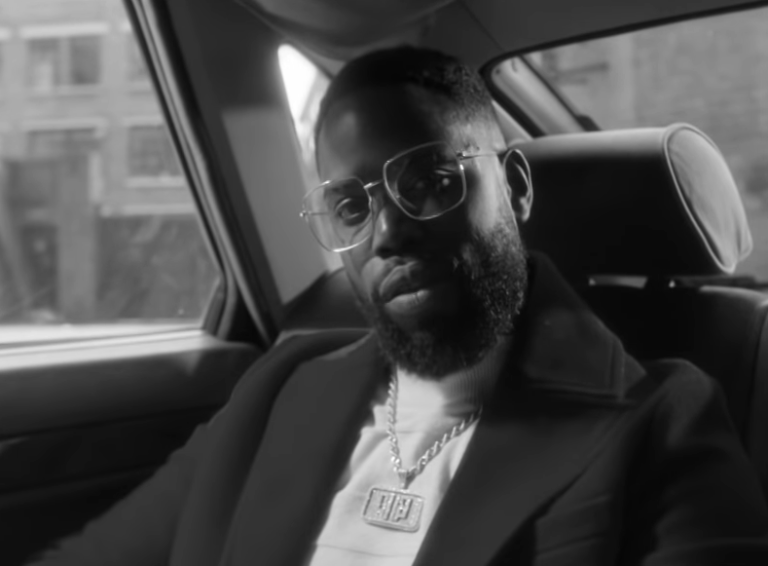
Before streaming, before the internet, one afternoon show taught suburban Gen X kids the language of Golden Age hip-hop (1990-1999). Here is how Yo! MTV Raps did it.
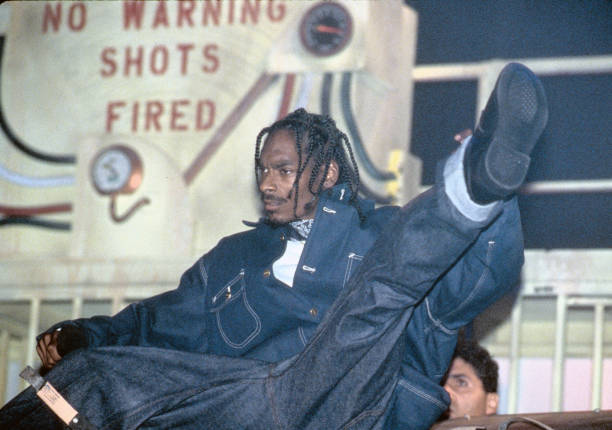
In December 1992 Dr. Dre pressed play on a slow, synth-soaked bassline and the center of gravity in Golden Age hip-hop slid west. This is how The Chronic turned G-Funk into the sound of the decade.
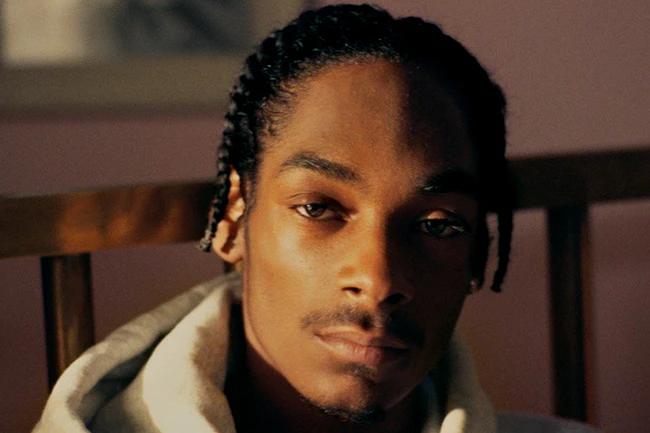
How a run of landmark debuts — The Chronic, Illmatic, Ready to Die, Doggystyle — turned 1990s rap into the Golden Age of hip-hop, one classic at a time.
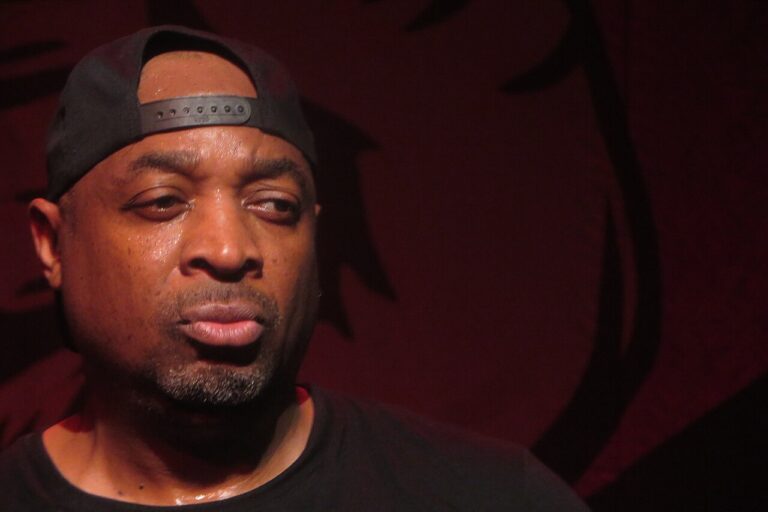
Before rap got polished, Public Enemy and their production team the Bomb Squad built the densest, angriest, most overwhelming sound of the Golden Age. This is how they weaponized noise.

The Golden Age of hip-hop (1990–1999) wasn’t just great rappers — it was crate diggers, dusty drum machines, and producers who turned old vinyl into new gold.

The Golden Age of hip-hop wasn’t just a boys’ club. From Queen Latifah’s crown to Lauryn Hill’s Grammy sweep, the women of 90s rap rewrote the rules of who got to hold the mic.

Before the labels chased the culture, the culture built its own. How Golden Age hip-hop turned oversized jeans, primary colors, and untied Timbs into a look that swallowed the mall whole.
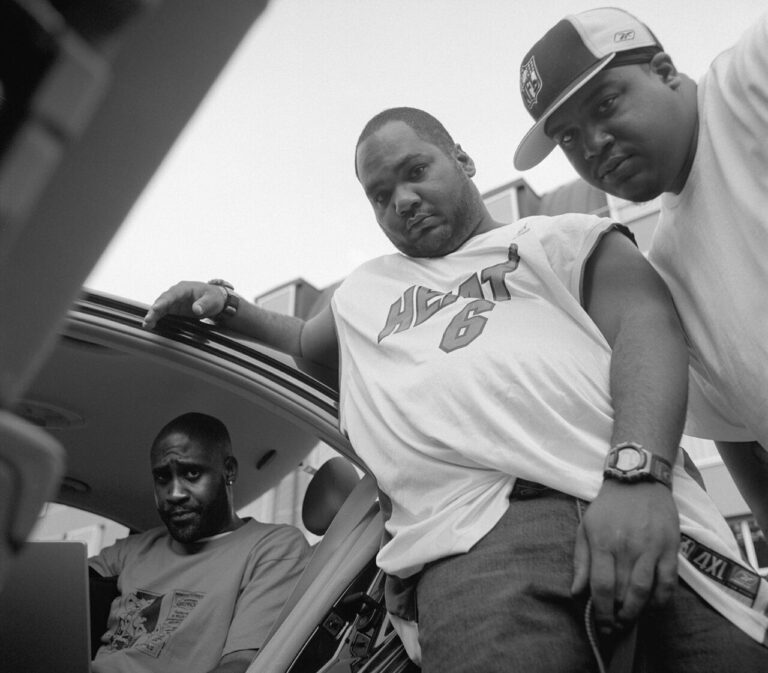
The Golden Age of hip-hop (1990–1999) wasn’t built by lone geniuses — it ran on crews. Inside the collectives, camps, and clans that turned the decade into rap’s greatest era.
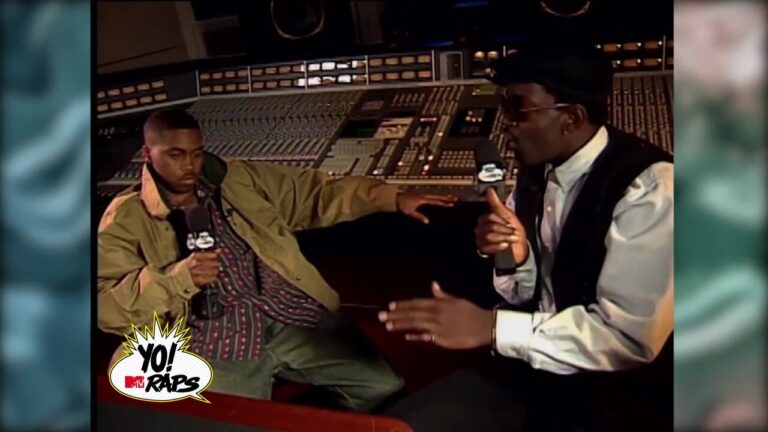
Before streaming and TikTok, one late-afternoon MTV show delivered Golden Age hip-hop straight into suburban bedrooms — turning Fab 5 Freddy, Ed Lover, and Doctor Dré into the friendly faces of a revolution.
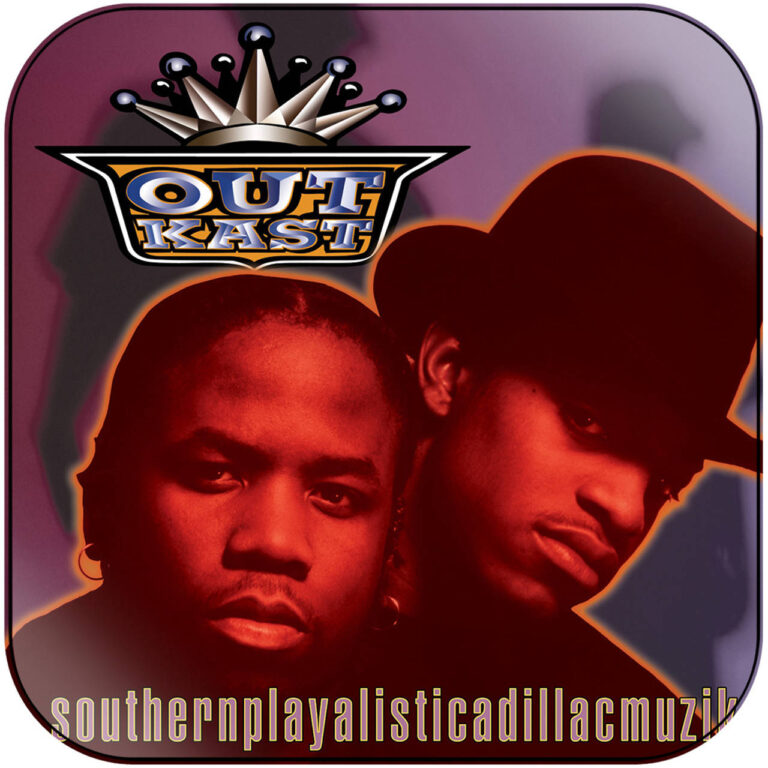
In a single year, Nas, Biggie, and OutKast turned the Golden Age of hip-hop into something permanent. Here’s why 1994 still stands as rap’s greatest twelve months.

New York, Los Angeles, and Atlanta each built a sound of their own — and the friction between them made the 90s the golden age of hip-hop.

Between 1990 and 1999, Golden Age hip-hop stopped bragging and started narrating — turning rappers like Nas, Biggie, and the Wu-Tang Clan into the great American storytellers of the decade.