The Grunge Blueprint: How Seattle Built a Movement Out of Distortion, Flannel, and Discontent
From Sub Pop basements to MTV domination, grunge wasn’t just a sound — it was a complete cultural reset built on three cheap ingredients.
Grunge was more than a sound. It was a thrift-store wardrobe, a slacker worldview, and a generational pivot. Here is what it actually was — music, fashion, and culture in one piece.
A no-nonsense walk through grunge — where it came from, what it sounded like, why everyone suddenly wore flannel, and why the whole thing burned itself out in about five years.
Slip dresses, baby barrettes, and smudged lipstick clawed their way out of 1994 and onto TikTok. The kinderwhore look is grunge’s loudest 2020s comeback — and Gen Z has no idea who to thank.
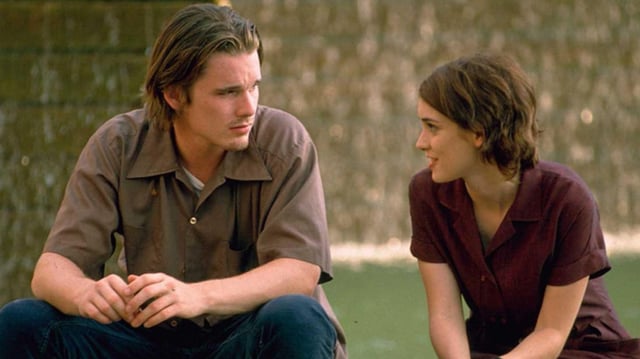
Winona Ryder slouched through Reality Bites in 1994 wearing thrifted slip dresses, combat boots, and a borrowed cardigan. Three decades later, Gen Z rebuilt her entire wardrobe and called it the grunge revival.
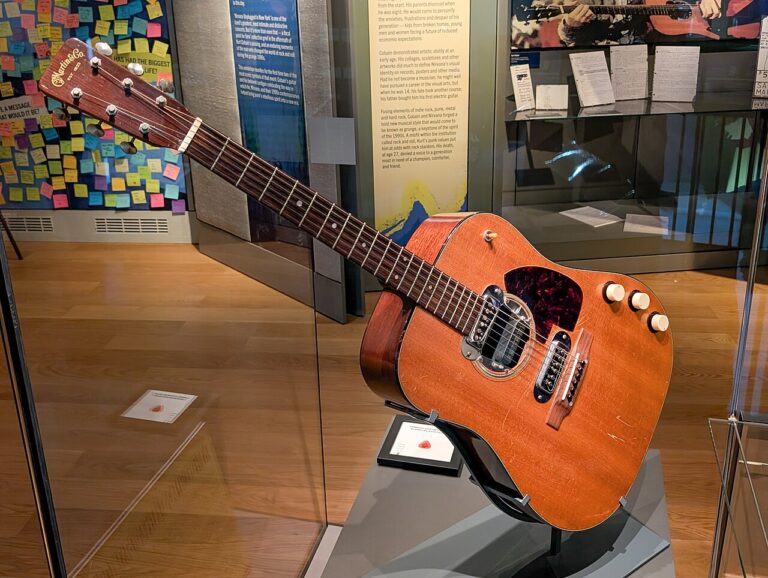
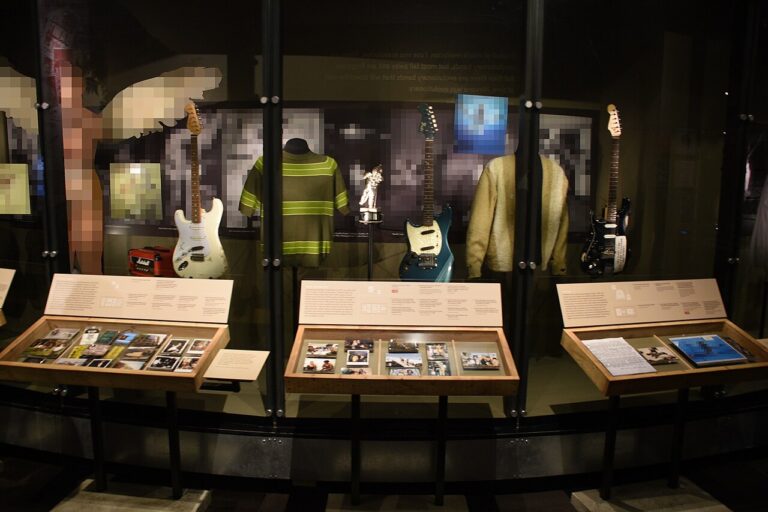
An olive-brown mohair cardigan with cigarette burns sold at auction for $334,000 in 2019. Looking back, it was the cleanest signal that grunge was about to come roaring back into fashion — and the clearest preview of how Gen Z would get it both right and wrong.
One specific 90s outfit refused to leave the cultural memory, and it dragged the entire grunge resurgence in 2020s fashion back with it by sheer stubbornness.
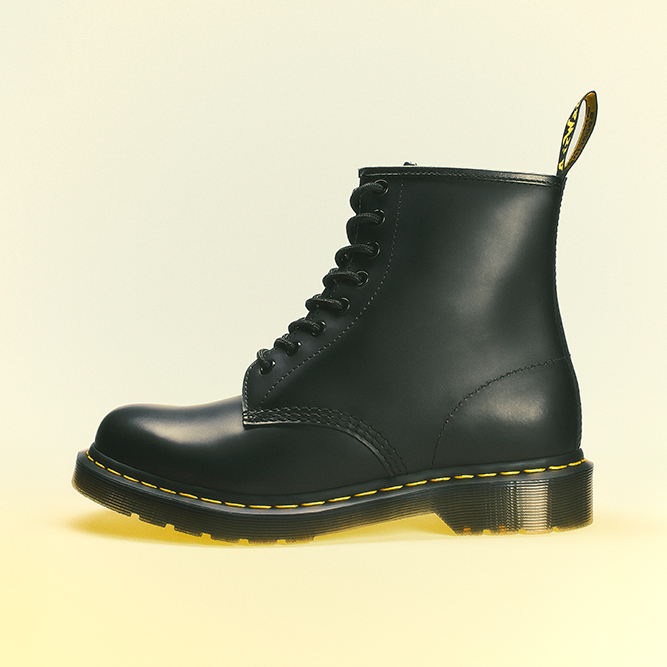
The 8-eye boot that defined grunge died with the 90s, sat in closets for two decades, then stomped back into the 2020s with a $5.6 billion IPO and a Gen Z army wearing them to coffee shops.
A breakdown of Kurt Cobain’s accidental uniform — the olive cardigan, the striped tees, the ripped Levi’s, the busted Chuck Taylors — and how a wardrobe built entirely from thrift store racks became the most imitated look of the decade.
Cameron Crowe moved to Seattle in 1991 and made a romantic comedy that accidentally became the most accurate document of grunge ever filmed.
Seattle, September 1991. Nirvana drops Nevermind, MTV puts “Smells Like Teen Spirit” on heavy rotation, and within twelve months a generation of American teenagers has quietly burned their acid-wash jeans. The 90s grunge style guide that emerged from that fall wasn’t really a guide at all — it was a refusal. A refusal to polish,…