Lithuania Independence 1990: The Day That Broke the USSR
At 10:44 PM on March 11, 1990, a clerk in a Vilnius committee room read out a roll-call result that nobody in Moscow believed was coming: 124 in favor, zero against, six abstentions. With that vote, Lithuania — a Baltic country of 3.7 million people, no army worth the name, and a Soviet garrison on every corner — declared itself a sovereign nation again. It was the first republic to walk out of the USSR. Eighteen months later, the USSR didn’t exist.
That single roll call is one of the strangest hinge points in twentieth century history. A country smaller than West Virginia, voting in a building still nominally answering to Moscow, kicked the first stone loose on the entire Soviet collapse. If you grew up watching Cold War tension on the evening news, this is the night the news started saying something different.
The Vote That Was Supposed to Be Impossible
The Supreme Council chamber in Vilnius was packed and freezing. February had been brutal, the heat barely worked, and the deputies sat in their coats. The newly elected chairman was Vytautas Landsbergis, a musicology professor with round glasses and the calm energy of a man who had thought this through for thirty years. He was the unlikeliest revolutionary in the room — and exactly the right one.
The Retro Almanac
A monthly roundup of "on this day" highlights from that month, decades back — plus first dibs on new retro merch drops. No spam, just the good stuff.
The document they were about to sign wasn’t called a declaration. It was called the Act of the Re-Establishment of the State of Lithuania, and the wording mattered enormously. Rather than seceding from the Soviet Union, the Act argued that the 1940 annexation had never been lawful in the first place. Lithuania had been independent from 1918 to 1940. The Molotov-Ribbentrop Pact had handed it to Stalin in a back-room deal. The Act simply restored what had already existed. Moscow couldn’t accuse them of breaking up the USSR; the legal claim was that the USSR had never legitimately owned them.
This kind of careful lawyering is how a small country fights an empire and wins. Landsbergis later recounted that he and the drafters argued line by line for days, knowing every comma would be weaponized in Moscow. When the vote came at 10:44 PM, the count wasn’t even close. Lithuanians weren’t asking permission. They were taking what had always been theirs back.
Fifty Years of Disappearance
To feel the weight of that night, you have to understand the fifty years of erasure that came before it. The Molotov-Ribbentrop Pact of August 23, 1939, was a private deal between Stalin and Hitler that carved up Eastern Europe like a hunting trophy. Lithuania, Latvia, and Estonia went to Moscow. By August 1940, all three Baltic states had been swallowed.
What followed inside Lithuania was a slow, ugly campaign to remove a nation from existence. Farms were collectivized. The Catholic Church — the spine of Lithuanian identity for centuries — was harassed into half-silence. Private property was confiscated. Most chillingly, between 1941 and 1953, somewhere around 130,000 Lithuanians were loaded onto cattle cars and shipped to Siberian labor camps. Teachers, farmers, civil servants, children. Anyone the regime decided was an “enemy of the people.”
Armed Lithuanian partisans, the so-called Forest Brothers, fought a guerrilla war against Soviet occupation deep into the 1950s. They lost. Most of their leaders were killed or shipped east. The lights inside Lithuanian culture stayed on only because grandmothers kept lighting them — secret prayers, banned books, songs nobody sang in public. This is the kind of slow Cold War grind we forget about in the West, where mutually assured destruction was the headline but the daily reality was a thousand small acts of cultural survival.
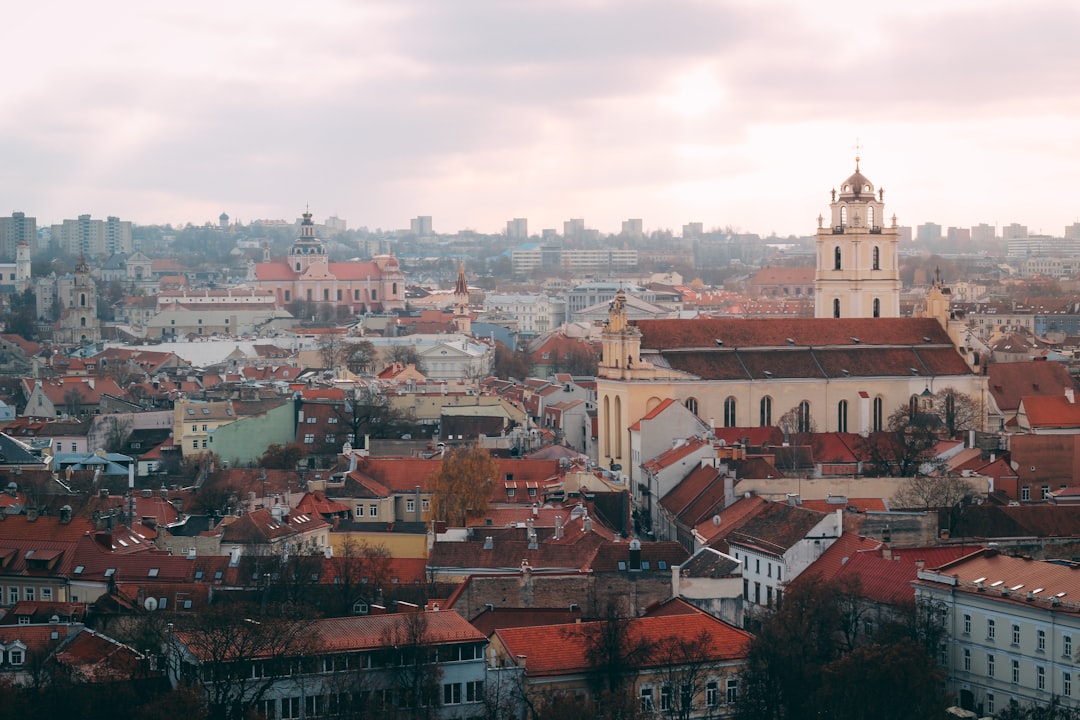
How Sąjūdis Turned a Reform Movement Into a Revolution
The thaw cracked open on a date that wasn’t an accident: August 23, 1987 — the forty-eighth anniversary of the Molotov-Ribbentrop Pact. A small group from the Lithuanian Liberty League gathered for the first public protest Vilnius had seen in decades. Nobody was arrested. The KGB watched and did nothing. In a system built on terror, the absence of terror was a signal everyone heard.
The following summer, in June 1988, thirty-five intellectuals founded a movement they called Sąjūdis — “The Movement.” On paper, it existed to support Mikhail Gorbachev’s reforms. In practice, it became the political vehicle for full independence within eighteen months. Rallies in Vingis Park in Vilnius drew crowds of a quarter million. Sąjūdis newspapers printed things nobody had been allowed to write since 1940. Inside one year, the rhetoric escalated from “economic autonomy” to “political autonomy” to the word that mattered: nepriklausomybė. Independence.
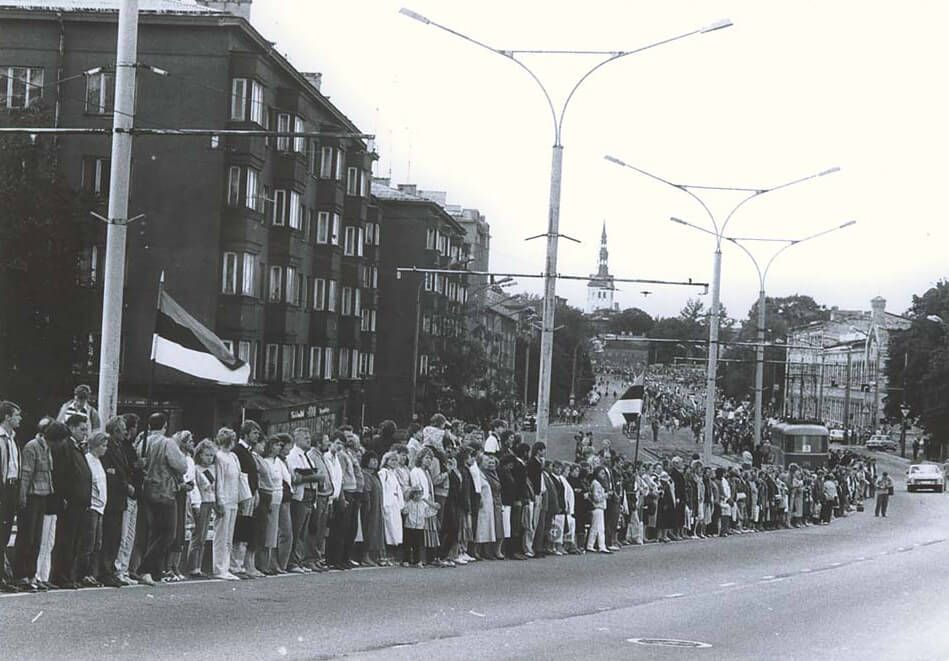
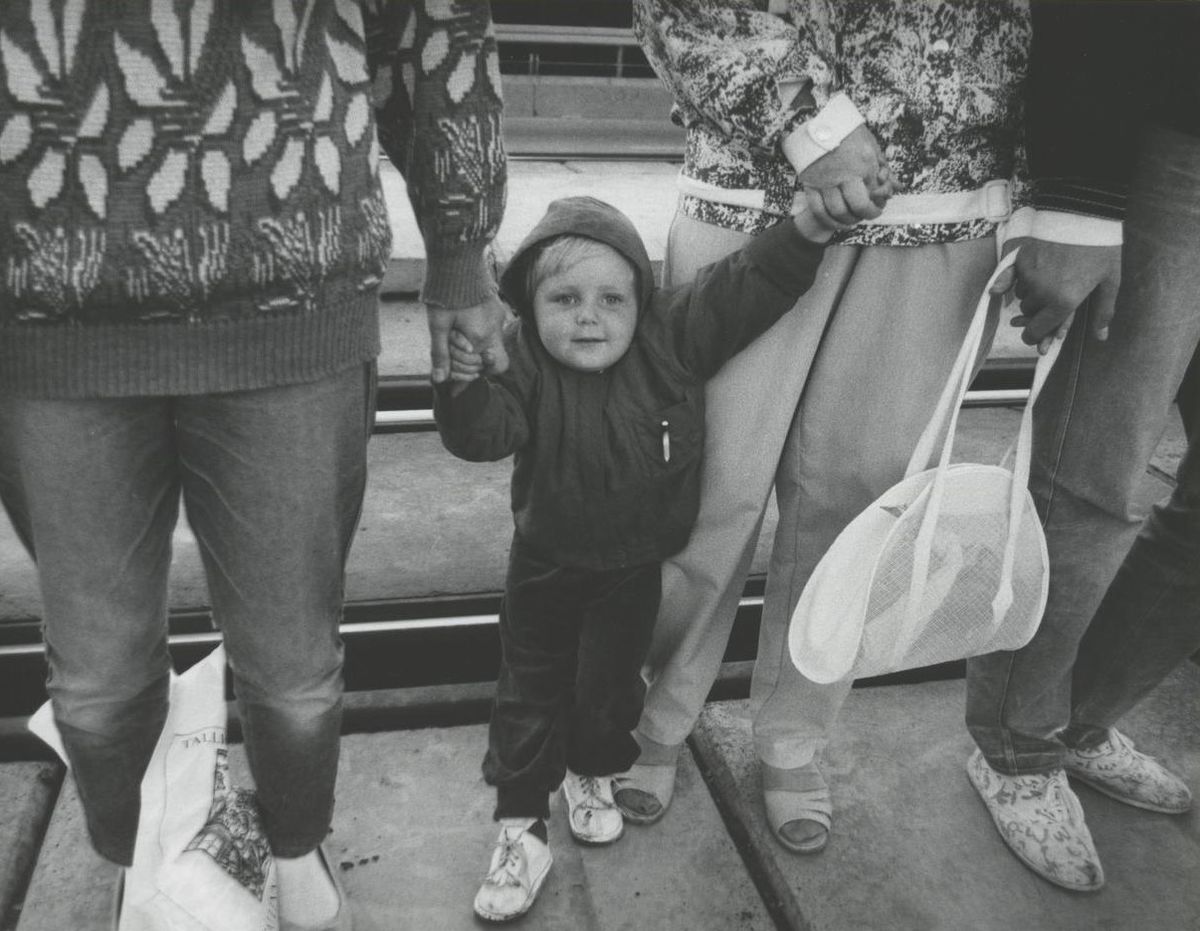
The moment the world finally paid attention was August 23, 1989 — the fiftieth anniversary of that secret pact. Roughly two million people in Lithuania, Latvia, and Estonia walked out into the road at 7:00 PM and joined hands. The human chain stretched 675 kilometers from Tallinn through Riga to Vilnius. It held, unbroken, for fifteen minutes. UNESCO later inscribed the Baltic Way in its Memory of the World register as one of the largest peaceful protests ever organized — and remember, this was before mobile phones. Parents drove their kids out to the highway with thermoses of tea. Old women in headscarves stood in the rain. It was less a protest than a country saying out loud: we are still here.
By the February 1990 elections — the first free vote in Lithuania since 1926 — Sąjūdis-backed candidates won by a landslide. They walked into the Supreme Council with a mandate. Three weeks later, the chamber voted.
The Night Vilnius Said No
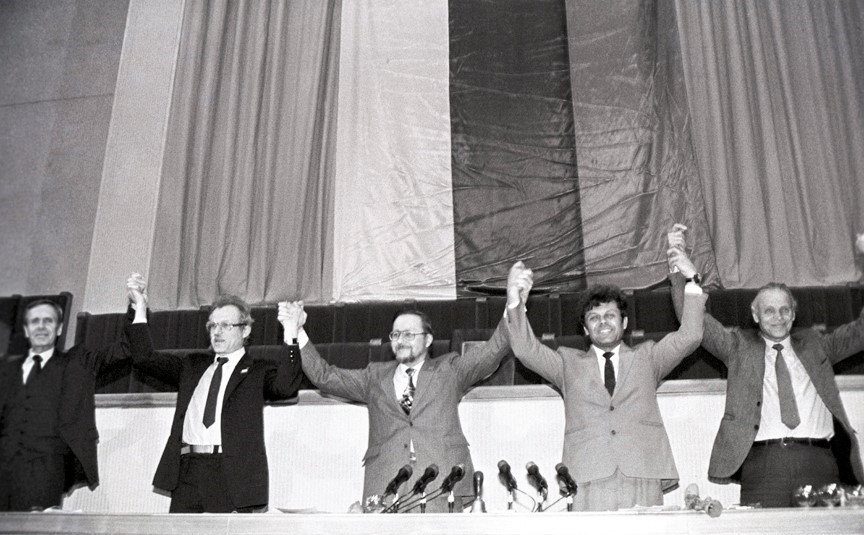
Here’s the detail that always gets me about March 11. The vote wasn’t theatrical. There was no Mel Gibson speech, no slow zoom, no clenched fist on the podium. Landsbergis read out the Act, the deputies voted in alphabetical order by name, and the count was tabulated. At 10:44 PM he confirmed the result. Then somebody started singing the Lithuanian national anthem, banned for fifty years, and the entire chamber joined in.
Outside, the crowd that had been waiting in the cold heard the result by radio and started crying. The footage shot that night was almost entirely captured by an amateur photographer named Vytautas Daraskevicius, a radio engineer with an Olympus camera and a stack of Soviet film. RFE/RL later published his photographs alongside an interview where he said he kept shooting because nobody else was. Some of the most important images of the 20th century exist because one nervous engineer hit the shutter button when nobody else thought to.
The official Lithuanian parliamentary record, still hosted on the Seimas website today, lists every signatory by name. A hundred and twenty-four ordinary Lithuanians who put their actual signatures on a document that, had Moscow chosen tanks instead of negotiation, would have been their death warrants. They signed anyway.
Moscow Hit Back With Tanks
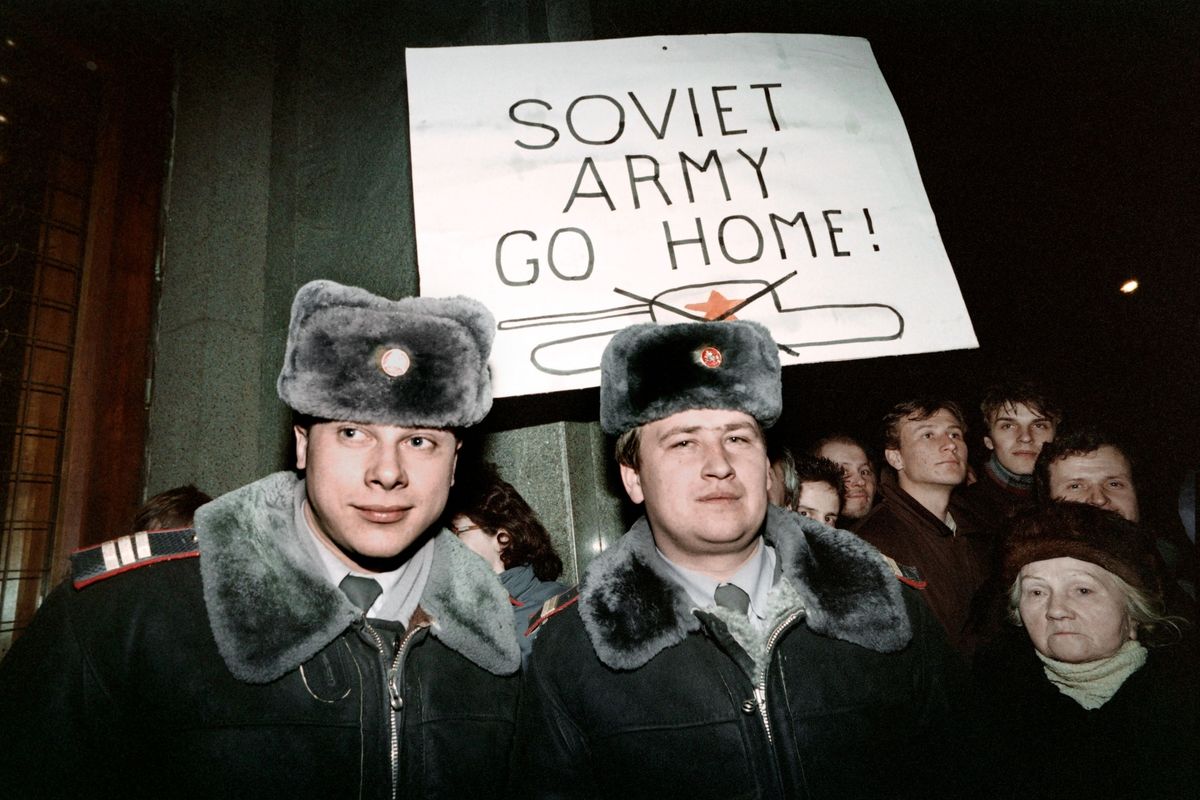
Gorbachev was furious. He declared the Act “illegal and invalid” within hours and demanded Lithuania revoke it. Lithuania refused. So Moscow turned the screws. The oil pipeline that fed Lithuania’s only refinery was shut off. Natural gas deliveries stopped. An economic blockade was thrown around the country. For most of the spring of 1990, Lithuanian factories ran on reserves and Lithuanian apartments went cold.
Lithuania held. The country issued its own visas. Border guards in homemade uniforms staffed checkpoints. The new government acted like a sovereign state because it was acting on the theory that it had always been one. Moscow had assumed economic pain would crack the chamber. It didn’t.
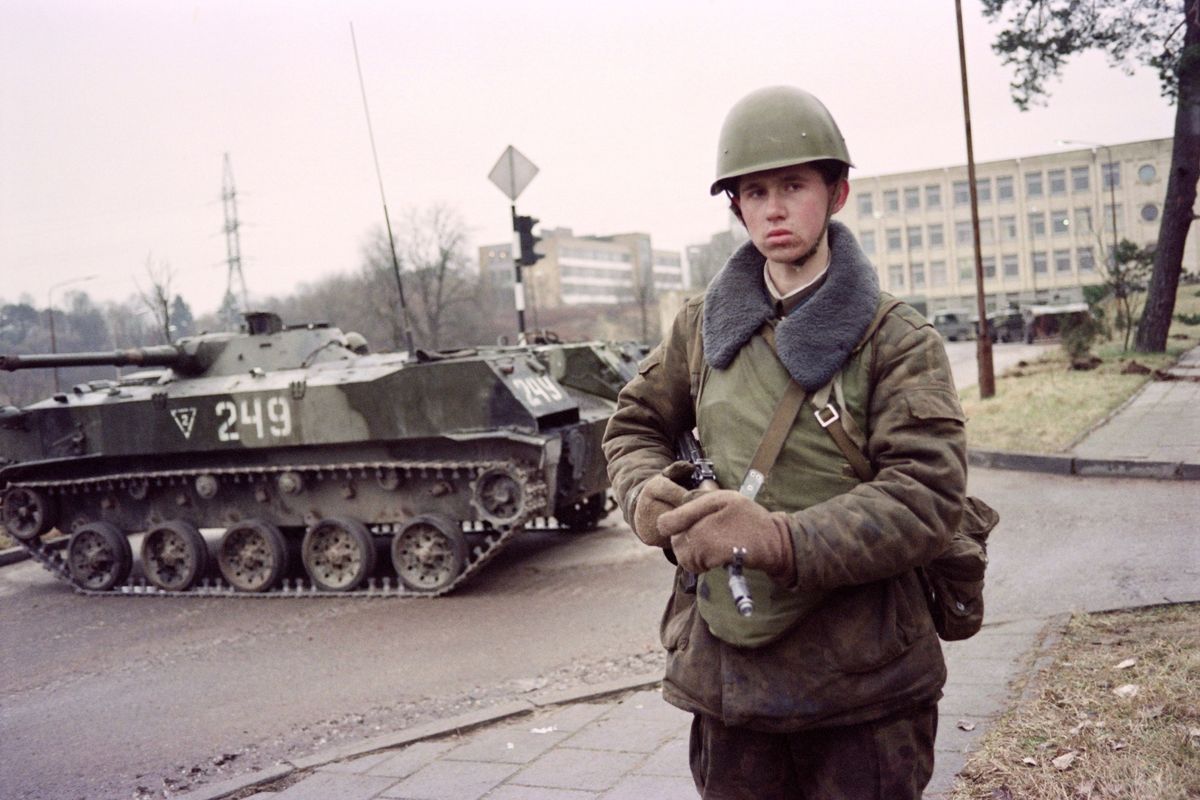
Then on January 13, 1991, things got brutal. Soviet special forces — the same KGB Alpha Group units that had fought in Afghanistan — drove tanks toward the Vilnius TV tower and the Lithuanian Radio building. Thousands of unarmed Lithuanians were already there, lying in the road, holding hands, singing. The tanks didn’t stop. Fourteen civilians were killed. One of them was a twenty-three-year-old seamstress named Loreta Asanavičiūtė, crushed beneath tank treads while trying to push other people out of the way. Roughly a thousand more people were injured.
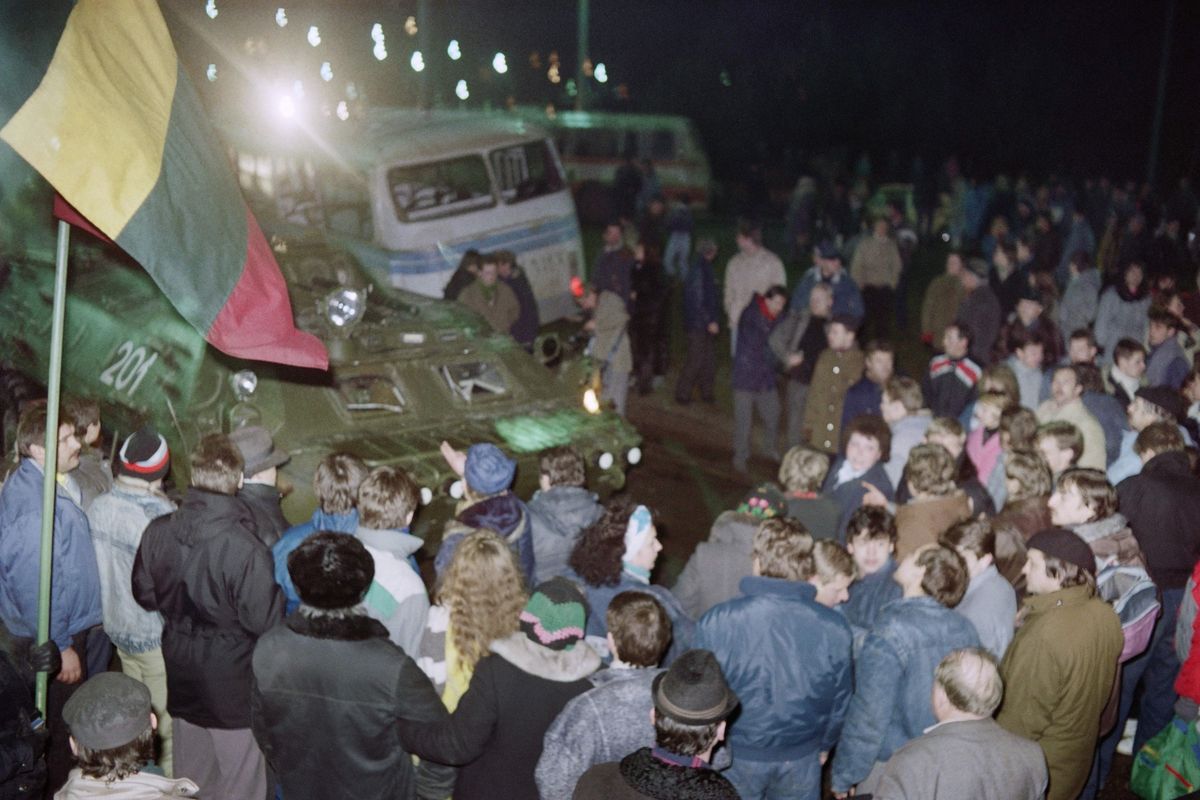
The footage hit Western television in real time. CNN, which had only launched its 24-hour news cycle a decade earlier, ran live coverage. Suddenly people in Cleveland and Manchester watched Soviet tanks roll through European streets in 1991 and asked the obvious question: how is this still happening? The pressure on Gorbachev escalated overnight.
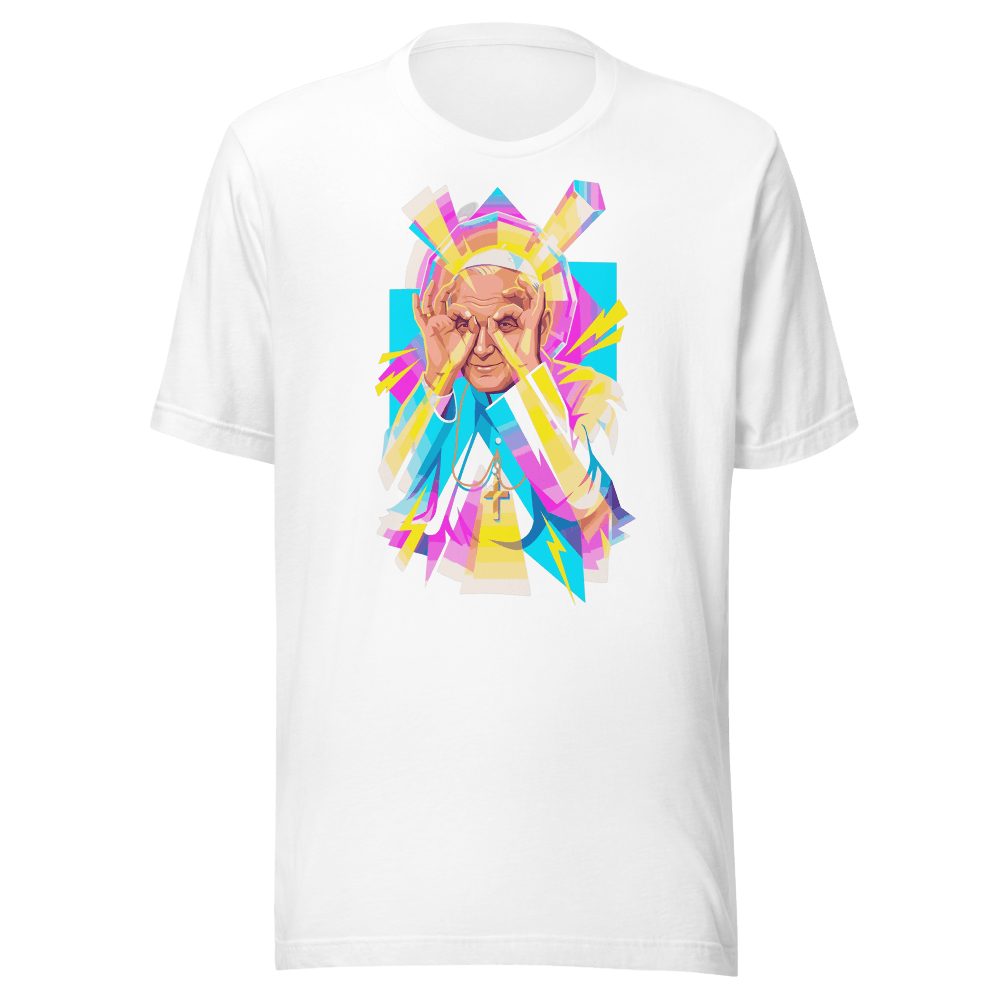
🎮 Shop: Pope John Paul II 80s Retro Vector Art T-Shirt →
The Polish pope who helped shake Eastern Europe loose — a fitting tribute to the era that broke the Iron Curtain.
The Wall Was Already Cracking
The brilliant thing about what Lithuania did is that it gave every other captive nation permission. Latvia declared its own independence within weeks. Estonia followed shortly after. Across the rest of 1990 and 1991, one Soviet republic after another peeled away. By December 1991, all fifteen had declared independence, with Kazakhstan the last in line.
The recognition process was awkward and revealing. The first country to formally recognize Lithuania was Iceland, in February 1991 — Iceland had never actually accepted Soviet sovereignty over Lithuania in the first place, so technically it was just stating the obvious. Moldova had recognized Lithuania even earlier, in May 1990, before Moldova itself had broken free. The United States held out until September 2, 1991, after the failed August coup against Gorbachev made the Soviet collapse obvious to everyone with eyes.
The most surreal moment came on September 6, 1991: the Soviet Union itself officially recognized Lithuanian independence. The empire was, in writing, admitting it could no longer hold its own pieces together. Eleven days later, Lithuania was sitting in the United Nations General Assembly. By Christmas 1991, the USSR was gone.
Lithuania didn’t bring the Soviet Union down by itself. The economy was already broken, Gorbachev’s reforms were already unraveling, and the war in Afghanistan had already drained the regime’s moral authority. The 1988 Soviet retreat from Afghanistan had already shown the world that Moscow could lose. What Lithuania did was prove that you didn’t need a war to do it. You could just refuse, calmly and legally, in a chamber at 10:44 PM, and watch the empire fail to find an answer.
Why a Country of Three Million Mattered to the Rest of Us
If you were a teenager in the West in 1990, this is the year the Cold War quietly ended without anyone telling you. The Berlin Wall had come down in November 1989. Germany was about to reunify. Eastern European communist governments were collapsing one after another. And in March 1990, the country that started it all wasn’t East Germany or Poland or Czechoslovakia. It was Lithuania, a place most Americans couldn’t find on a map.
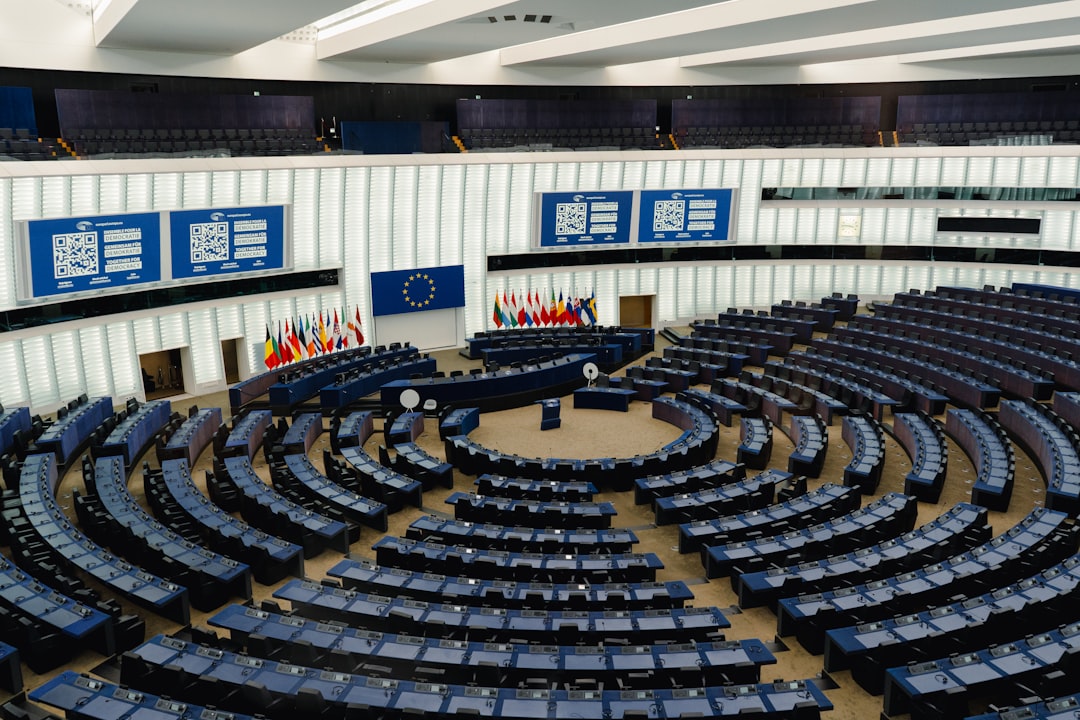
The world that followed was shaped by what happened in Vilnius. Defense budgets shrank across the West and that money flowed into civilian tech. American kids stopped doing duck-and-cover drills. The decade of 90s digital optimism, dot-com gold rushes, and Cabbage Patch hopefulness was paid for, partly, in advance by 124 Lithuanians who voted yes. Today Lithuania is a NATO member, a euro country, and the source of more cheap flights to Eastern Europe than seemed possible thirty-five years ago. NATO’s official record of Lithuania’s accession reads like a closing argument for the people who signed that Act in 1990.
The lesson worth carrying forward isn’t that small countries always win against big empires. They usually don’t. The lesson is that empires sometimes collapse on the question of whether they can be bothered to keep beating people up, and that question can be asked by anyone, in any room, at any time. On March 11, 1990, 124 people in Vilnius asked it. Moscow couldn’t answer.
Every March 11, Lithuania closes the banks and remembers. The rest of us should remember too. That night, in a freezing chamber, a country of three million wrote down something that most experts thought would take a generation, a war, or a miracle. It took a vote. The empire had less than two years left to live, and a single roll-call result is the moment we can point to and say: this is where it started.
Sources
- Seimas of the Republic of Lithuania — 11 March: Day of Restoration of Independence — Official parliamentary record of the March 11, 1990 Act.
- George W. Bush Presidential Center Freedom Collection — Vytautas Landsbergis interview — First-person account from the chairman of the Supreme Council on the night of the vote.
- Radio Free Europe / Radio Liberty — Photographing the night Lithuania declared independence — Archive of Vytautas Daraskevicius’s photographs from inside the chamber.
- UNESCO Memory of the World — The Baltic Way — Documentation of the 1989 human chain that preceded the independence vote.
- NATO — Relations with Lithuania — Background on Lithuania’s accession to NATO in 2004 and its current standing.
- Wikipedia — Act of the Re-Establishment of the State of Lithuania — Background reference on the March 11 Act and its signatories.
Browse retro and vintage-inspired apparel at the RetroRadical shop →
The Retro Almanac
A monthly roundup of "on this day" highlights from that month, decades back — plus first dibs on new retro merch drops. No spam, just the good stuff.