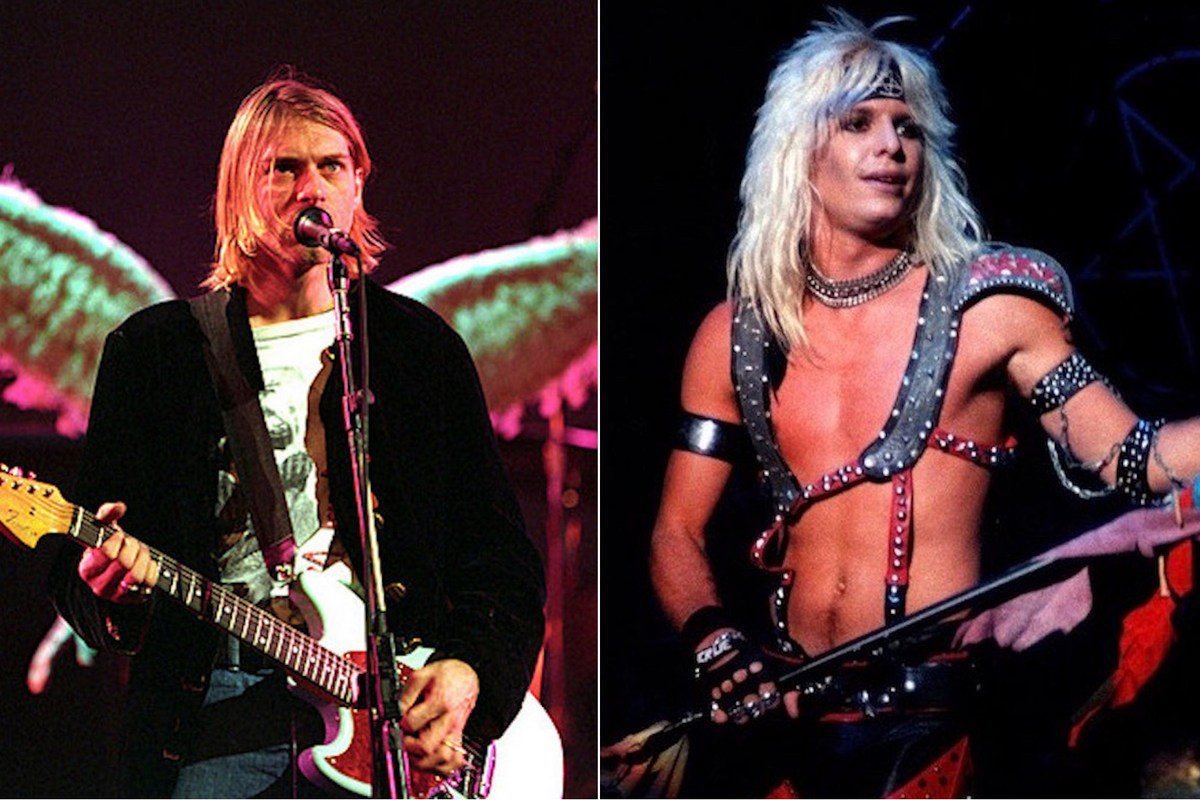
How Grunge Killed Hair Metal: The 1991 Rock Revolution
Three weeks before Nirvana released Nevermind, hair metal publicly humiliated itself. On September 5, 1991, Poison took the stage at the MTV VMAs. Guitarist C.C. DeVille, visibly impaired, played the wrong song, fumbled elementary riffs, and unplugged his own guitar mid-chorus. Bret Michaels looked at the camera and said, “It ain’t perfect, but it’s rock ‘n’ roll.” It was a death rattle dressed as a punchline. Three weeks later, Nevermind dropped, and the whole party ended.
Hair metal had ruled commercial rock since 1983, when Quiet Riot’s Metal Health became the first heavy metal album to hit number one on the Billboard 200. In the eight years that followed, the genre moved tens of millions of records. Mötley Crüe’s Dr. Feelgood — released September 1, 1989, and now certified six times platinum — was arguably the peak: four top-five Mainstream Rock singles, arenas sold out coast to coast, the sound of a genre at full confidence. Two years later, it was finished. The kids from Aberdeen, Washington had recorded a $65,000 album in the spring of 1991, and their label expected it to sell about 250,000 copies — the same as Sonic Youth’s Goo. What happened instead was one of the fastest pivots in rock history.
What Glam Rock Built on the Sunset Strip
Between 1983 and 1991, a stretch of Sunset Boulevard in West Hollywood became the center of the rock universe. The Whisky a Go Go, the Roxy Theatre, and the Rainbow Bar and Grill were where the deals got made and the bands got discovered. Labels like Elektra, Geffen, and Capitol signed anything that could fill a club on a Friday night and translate to radio.
The Retro Almanac
A monthly roundup of "on this day" highlights from that month, decades back — plus first dibs on new retro merch drops. No spam, just the good stuff.
The visual template was set early. Mötley Crüe pioneered the look on 1981’s Too Fast for Love — teased hair, spandex, leather, eyeliner — and by the mid-80s it was standard issue. MTV launched in August 1981 and needed product that looked good in a three-minute video. Glam metal delivered it reliably. Whitesnake’s “Here I Go Again” became one of the most-played clips of 1987. Warrant’s “Cherry Pie” — written in fifteen minutes to fill a label-mandated spot on the album — hit number ten on the Hot 100 in 1990 and became the genre’s unofficial epitaph. The song was a joke the audience took seriously.
The music worked because it sold a dream. Reagan-era America ran on optimism and credit, and these bands were selling the best version of it — the tour buses, the stadium lights, the excess that felt permanent. For a working-class kid in 1986, a Poison record was cheaper than therapy and considerably more fun.
Why the Whole Act Felt Empty by 1991
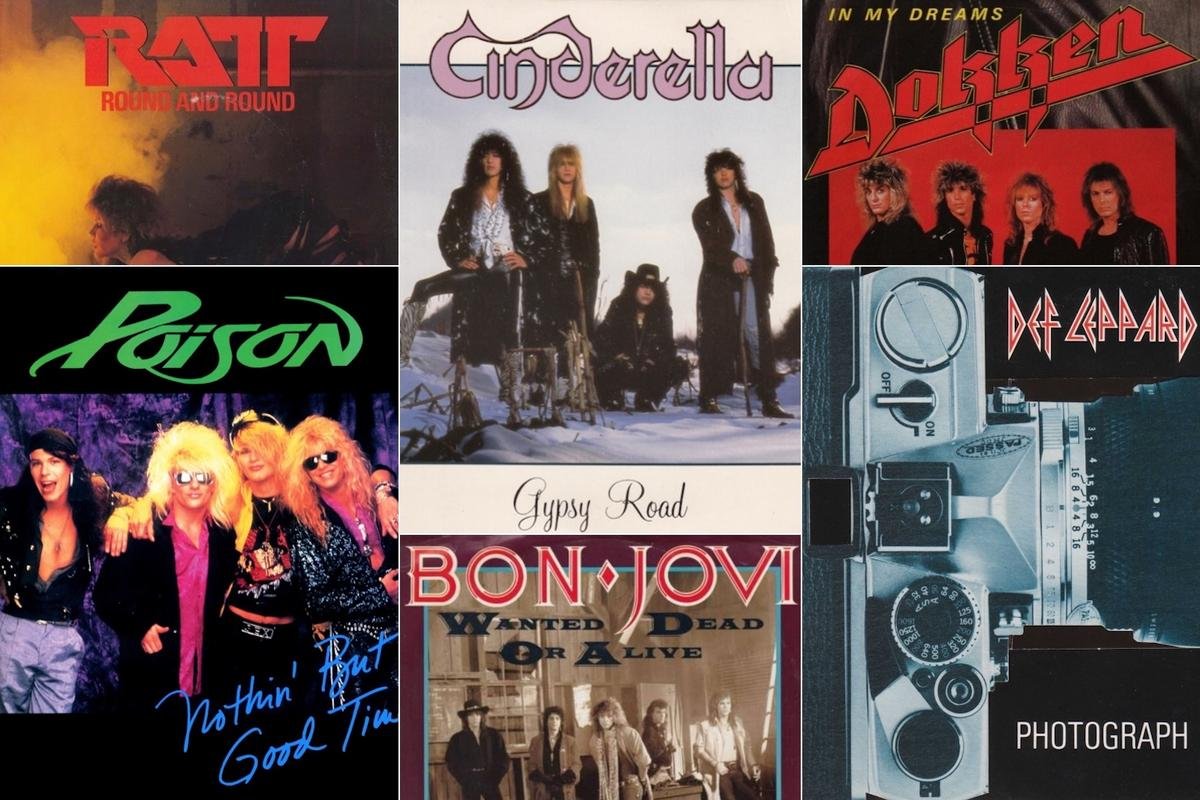
By 1991, the Sunset Strip had a volume problem. The major labels had signed so many acts with the same look and the same approach that the genre was cannibalizing itself. Winger, Warrant, Slaughter, Trixter, FireHouse — all competent, all commercially viable, all interchangeable. Twisted Sister’s Dee Snider said it plainly: “Hair metal did it to itself. It became too commercialized, and then it got unplugged and became nothing but power ballads and acoustic songs, and it wasn’t metal anymore.”
There was also an economic truth the music couldn’t outrun. The recession that had technically ended in March 1991 was still biting — unemployment sat above 7% that fall, and the young Americans who’d been promised a piece of the 80s boom were finding the door shut. The glam metal fantasy read as a lie from a decade you could no longer afford.
The C.C. DeVille disaster at the VMAs was the perfect symbol: a band that had once looked like the future of rock, now visibly falling apart in front of a national audience, saved by nothing but bravado. Michaels fired DeVille shortly after the performance. Three weeks later, Nevermind arrived and made the whole argument irrelevant.
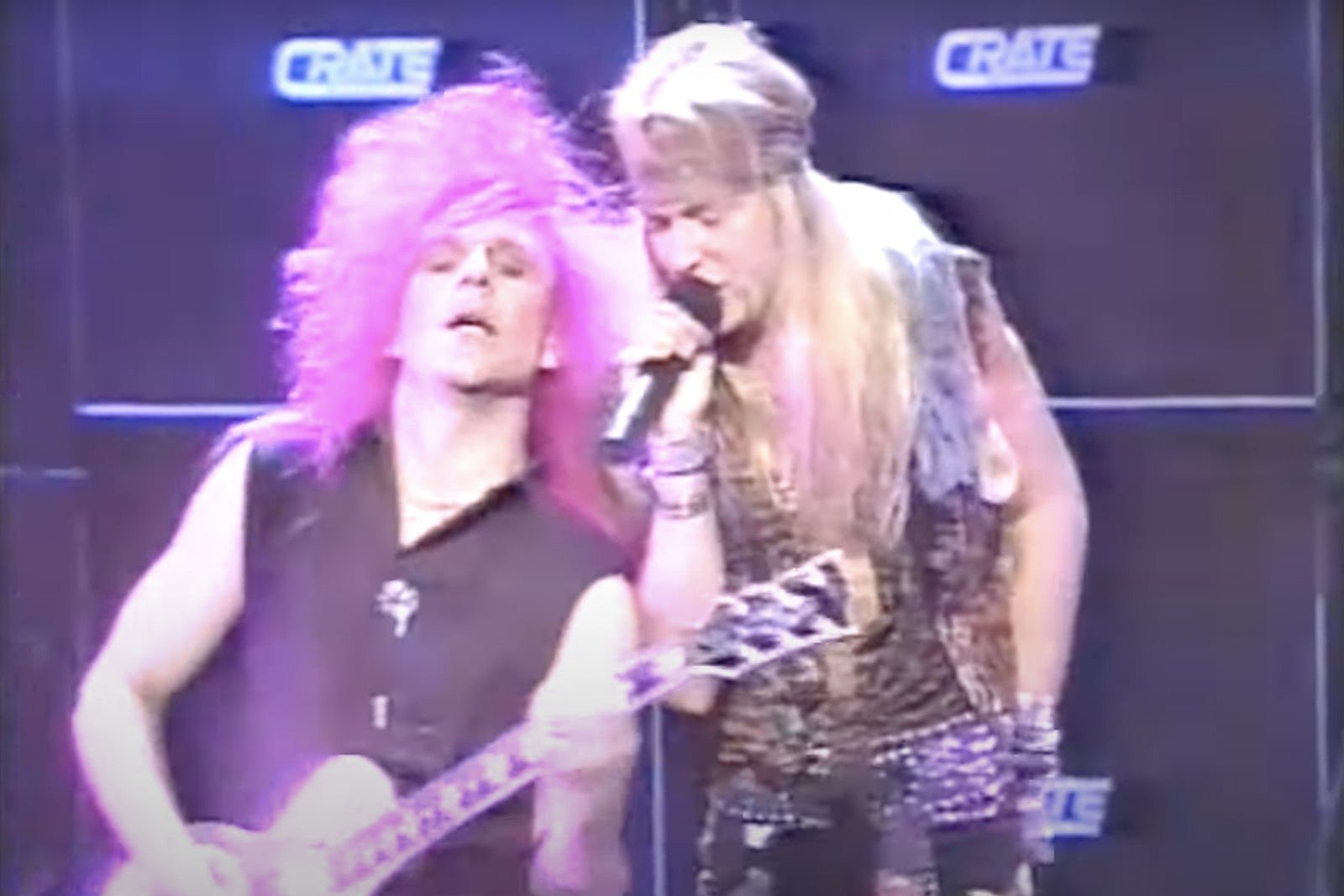
Poison’s 1991 MTV VMA performance — three weeks before Nevermind dropped and ended the era.
Grunge Killed Hair Metal the Night “Teen Spirit” Hit 120 Minutes
“Smells Like Teen Spirit” wasn’t supposed to be the song that killed an era. Cobain himself admitted the quiet-loud-quiet structure was borrowed from the Pixies. The video — shot August 17, 1991 at GMT Studios in Culver City on a budget under $50,000 — featured a high school pep rally collapsing into chaos, janitors moshing alongside cheerleaders, kids who looked like they’d never been near a Sunset Strip club. It premiered on MTV’s 120 Minutes on September 29, 1991 — five days after Nevermind dropped.
The velocity was extraordinary. “Teen Spirit” entered the Billboard Hot 100 at number 40 on December 7, 1991. Christmas week, Nevermind sold 374,000 copies in a single week. On January 11, 1992, it knocked Michael Jackson’s Dangerous from the number one position on the Billboard 200. Geffen executive Ed Rosenblatt described it later: “We didn’t do anything. It was just one of those ‘Get out of the way and duck’ records.” The single spent 20 weeks on the Hot 100, eight of them in the top ten, peaking at number six.
Sub Pop Records — the Pacific Northwest independent that had been releasing Nirvana, Mudhoney, and Soundgarden records since it opened April 1, 1988, in a space so small the founders “stacked albums around the toilet” — suddenly looked like the most prescient operation in music. Nirvana’s debut, Bleach, had been recorded in 1989 for $606.17. The major labels had ignored Sub Pop for three years. Now they were trying to license everything they could get.
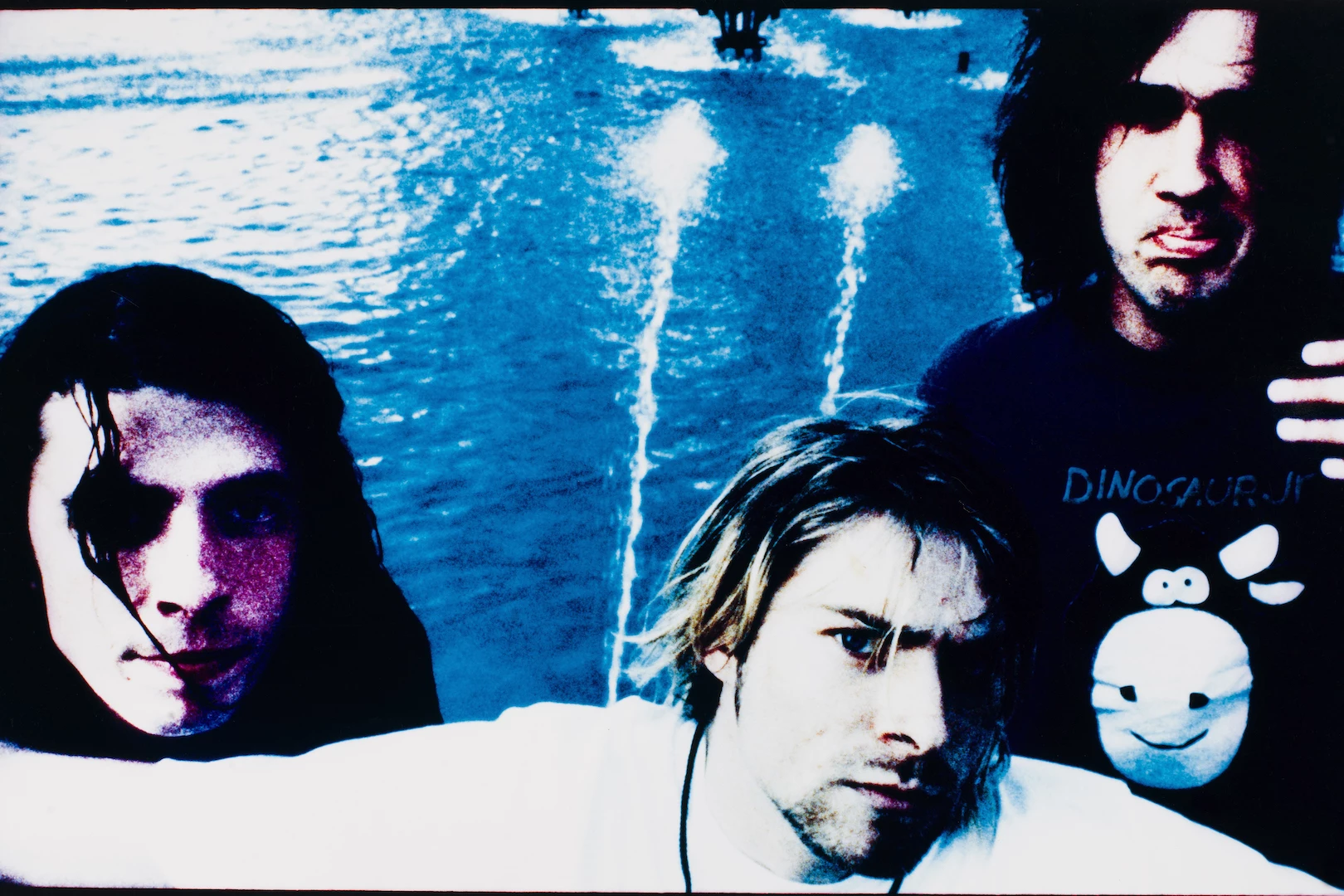
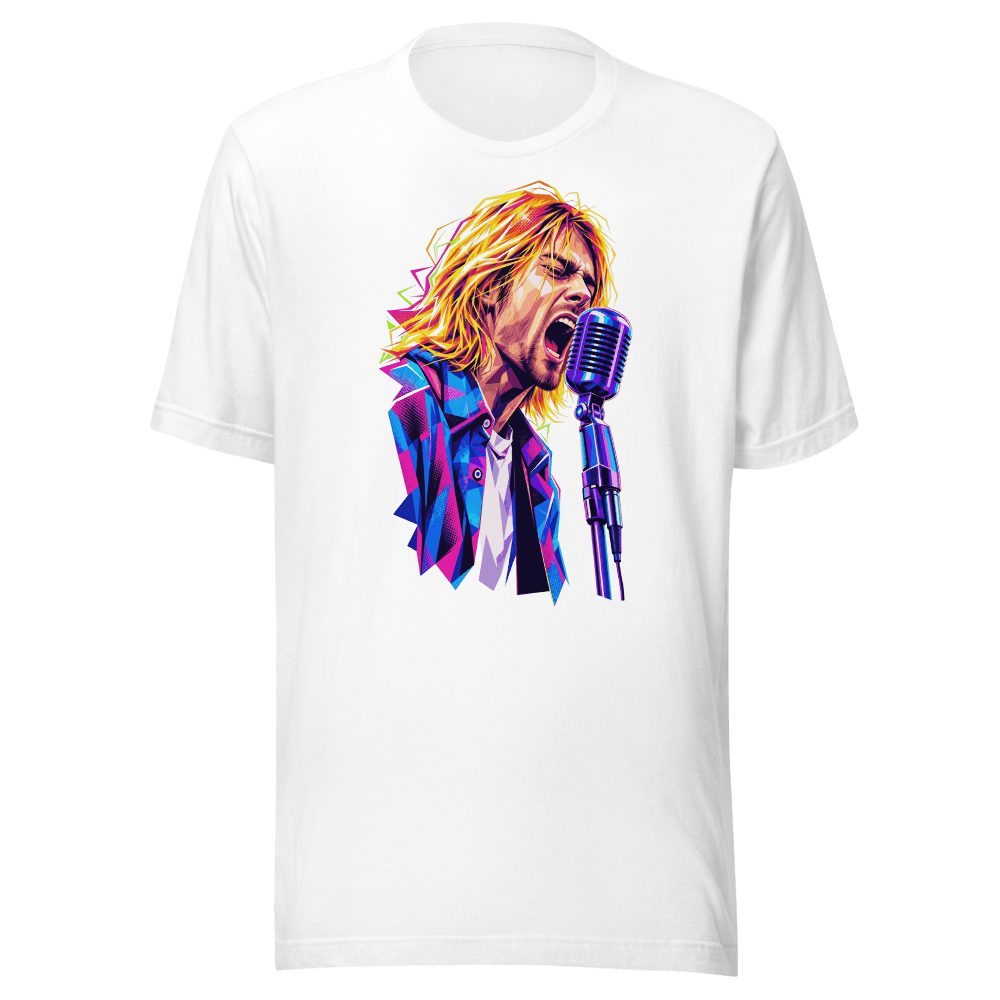
Nirvana, circa 1991. Their label expected Nevermind to sell 250,000 copies. It sold over 30 million.
The Labels Ran to Seattle and Never Looked Back
The major label response to Nevermind wasn’t gradual — it was a stampede. Pearl Jam had released Ten one month earlier, in August 1991. It climbed slowly, then exploded after “Teen Spirit” broke, eventually selling over 13 million copies in the United States alone. Soundgarden’s Badmotorfinger came out the same week as Nevermind, peaking at number 39 on the Billboard 200 once the grunge wave was fully cresting. Alice in Chains had already demonstrated the commercial case — after “Man in the Box” debuted on MTV, their debut album Facelift surged from 40,000 copies sold to 400,000 copies within six weeks.
Epic, Columbia, Atlantic, and Geffen all signed Pacific Northwest-adjacent acts within 18 months. The grunge blueprint — cheap recording, raw sound, anti-aspirational visual language — was the direct aesthetic opposite of everything the Sunset Strip had stood for. Where hair metal bands spent fortunes on production budgets, Nevermind was recorded for $65,000. The calculation didn’t require an MBA to understand.
Pearl Jam’s Ten, released a month before Nevermind, would eventually sell 13 million copies in the US alone.
Where Did the Hair Bands Go?
Some adapted. Def Leppard had always leaned toward arena pop as much as hard rock, and they survived by accepting that identity. Bon Jovi’s heartland rock approach was close enough to the mainstream that they could outlast the genre. Their 1992 “Keep the Faith” tour still sold arenas.
Most didn’t make the transition. Poison’s 1993 album Native Tongue — a deliberate pivot toward Motown-influenced rock — sold 500,000 copies, a collapse from the multi-platinum years of Open Up and Say… Ahh! Warrant’s Dog Eat Dog (1992) was a serious attempt to mature the band’s sound. It also sold poorly. Mötley Crüe released a self-titled album in 1994 with replacement vocalist John Corabi — a genuinely strong record that the market had already moved past. The band that had sold out Madison Square Garden in 1987 was playing substantially smaller venues eight years later.
At the September 9, 1992 VMAs, the cultural distance was made explicit. Grunge’s growing pains played out publicly when Axl Rose told Cobain backstage to “keep your bitch in line” after Courtney Love made a joke about Frances Bean’s godparent. Rose had earlier invited Nirvana to open for GNR on their 1992 stadium tour; Cobain had refused and reportedly ignored Rose’s follow-up calls. The old guard trying to recruit the new guard — and the new guard declining — was the clearest possible picture of where things stood.
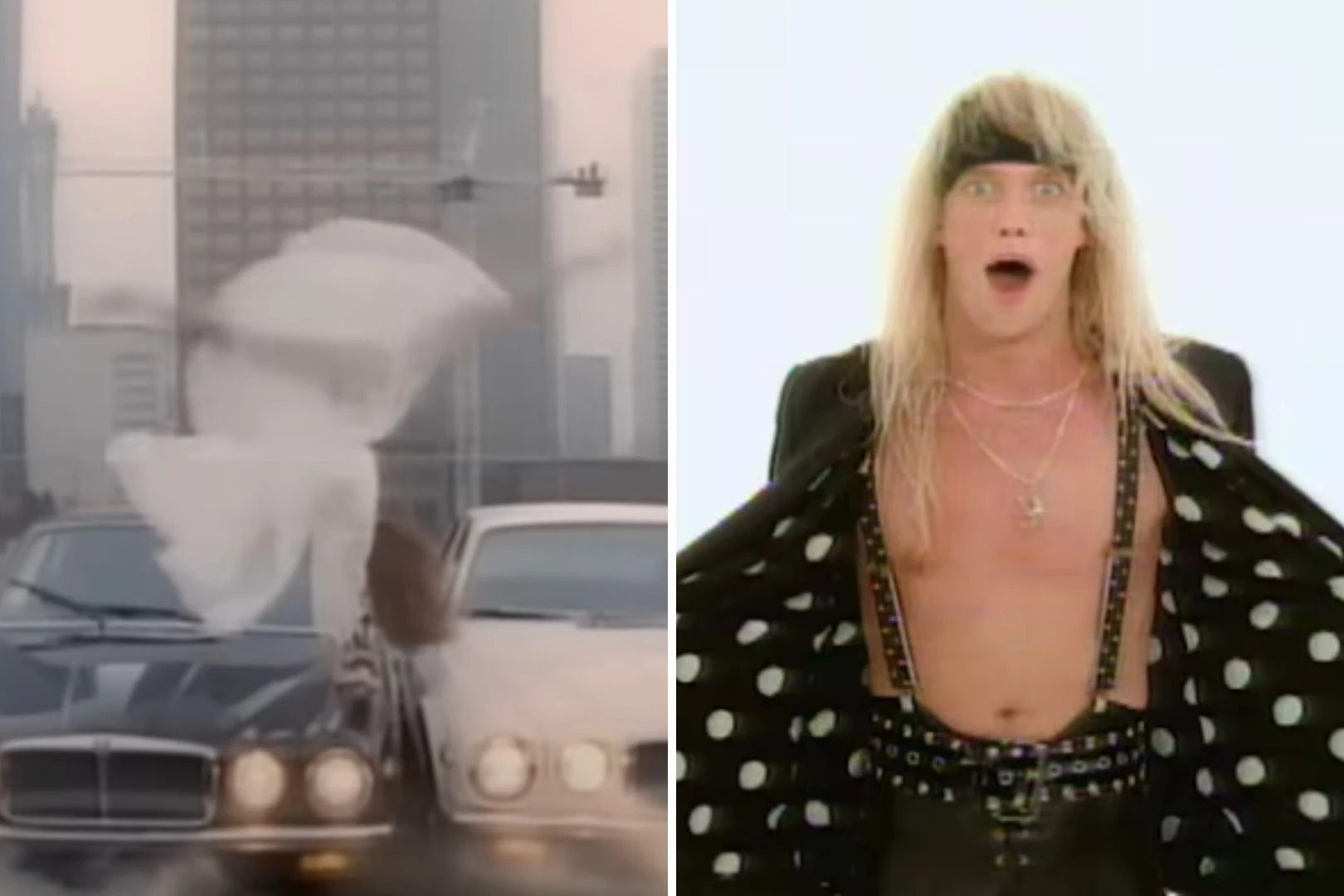
The MTV Headbangers Ball era — hair metal’s visual formula that grunge rendered obsolete in two years.
The Look That Died With the Music
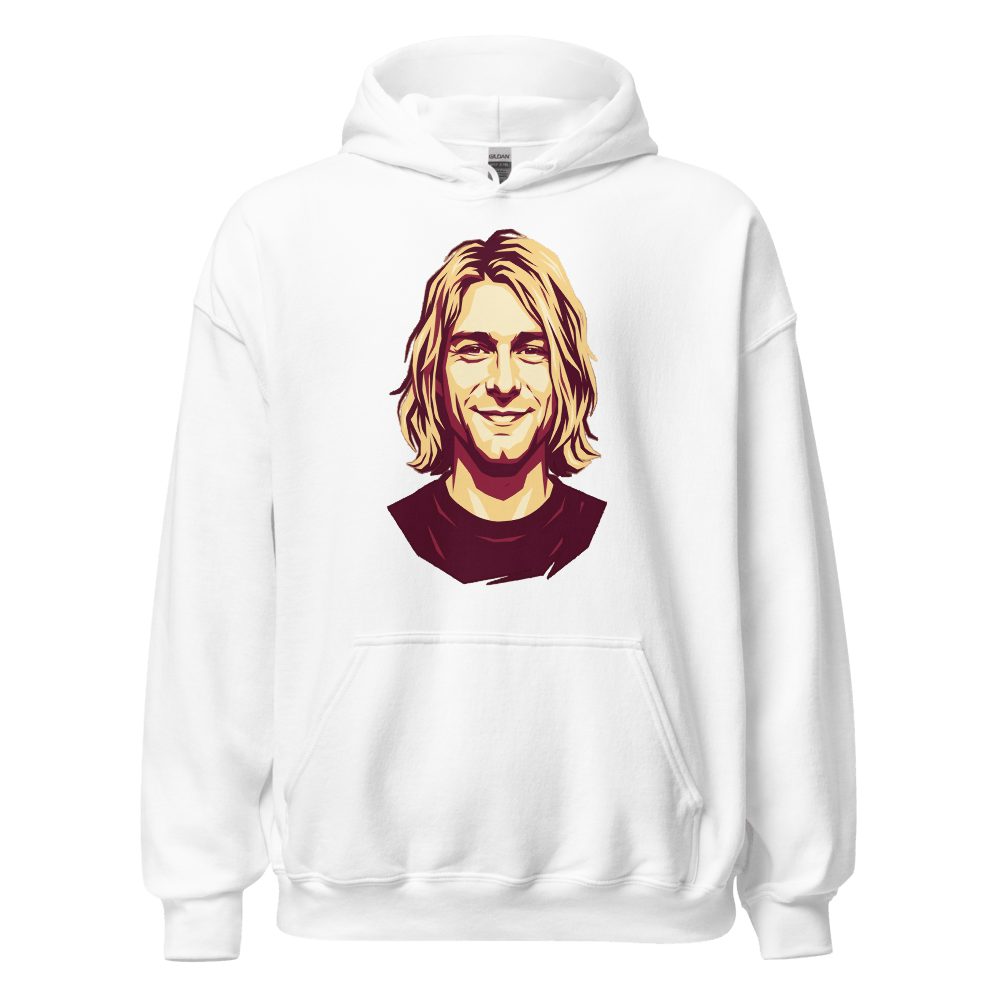
Hair metal’s fashion aesthetic was inseparable from its collapse. Genres usually die when a better sound replaces them. Glam metal got double-killed: grunge sounded more honest, and it looked more honest. The flannel shirt and the distressed jeans read as authentic in a way that teased hair and spandex — always one step from parody — never managed.
The shift on MTV was measurable in real time. Headbangers Ball, which had been the network’s highest-rated weekend program through 1990, was reduced to a single late-night slot by 1993. Cobain’s cardigan replaced DeVille’s spandex as the defining rock-star image. What grunge did that hair metal couldn’t was make discomfort into a selling point. The refusal to perform rock-god transcendence was, paradoxically, the most persuasive thing about it. On January 25, 1992, Nirvana performed on Saturday Night Live — the first grunge act on the show. Dave Grohl broke a drumstick during “Smells Like Teen Spirit” from pure adrenaline. They followed it with “Territorial Pissings” and destroyed their instruments. Nobody from the Sunset Strip had done anything that looked that real in years.
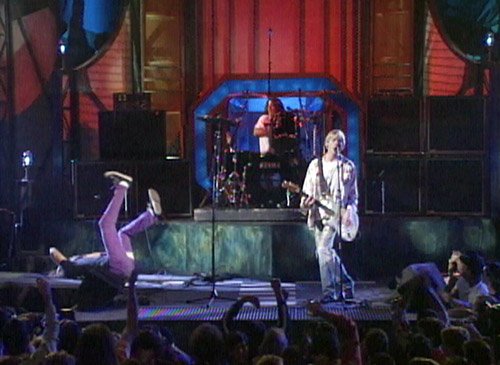
The 1992 VMAs: Krist Novoselic’s famous bass-toss goes wrong, hitting him in the head. Nirvana won Best New Artist that night.
What Grunge Actually Killed — and What It Didn’t
Grunge didn’t kill musicianship. Soundgarden’s Kim Thayil and Alice in Chains’ Jerry Cantrell were genuinely exceptional guitarists, and the alternative scene had no hostility to technical skill. What it killed was a specific commercial idea: that rock music should be spectacular and aspirational above all else, that the fantasy should be the point.
It also didn’t kill the glam lineage. Cobain was an admitted David Bowie obsessive. The glam DNA runs straight from T. Rex and Bowie into the theatricality of the entire alternative era. What died was the specific 80s commercial formula — the Sunset Strip sound, the Aqua Net, the power ballad designed by committee, the Warrant-style product. Not glam as an idea. Just that particular version of it.
Cobain was deeply uncomfortable with what Nirvana became. By 1993 and 1994, he expressed real distress at being positioned as the voice of a generation — a role he didn’t seek and actively resisted. The same authenticity that made grunge feel real made its commercialization feel like a betrayal. By 1996, post-grunge acts — Bush, Collective Soul, Live — dominated commercial rock, and the sound was nearly as polished as the thing it had replaced.
But for two or three years at the turn of the decade, rock music felt genuinely dangerous. That’s a harder thing to manufacture than spandex ever was.
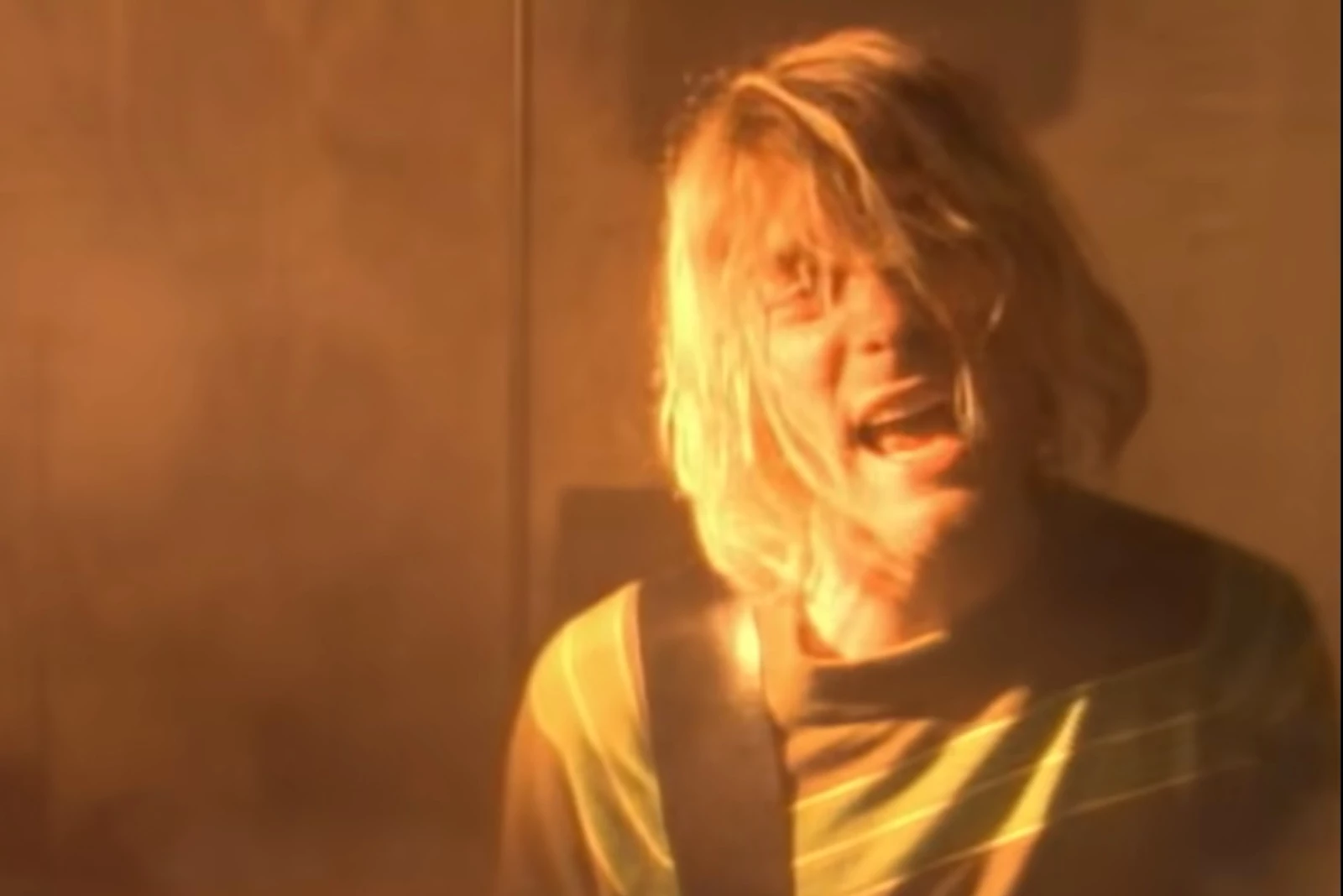
The “Smells Like Teen Spirit” video premiered on MTV’s 120 Minutes on September 29, 1991. It changed the channel’s programming within weeks.
Sources
- Billboard 200 chart archives — tracking Nevermind‘s climb from #144 to #1 and the displacement of Michael Jackson’s Dangerous, January 11, 1992.
- Loudwire — How Grunge Killed Hair Metal — timeline and commercial data on the genre transition, including label reactions and chart comparisons.
- Rolling Stone — Nevermind original review and retrospective — original 1991 reception and the album’s lasting commercial significance.
The Retro Almanac
A monthly roundup of "on this day" highlights from that month, decades back — plus first dibs on new retro merch drops. No spam, just the good stuff.