The Ultimate 90s Nostalgia Guide | Everything We Miss
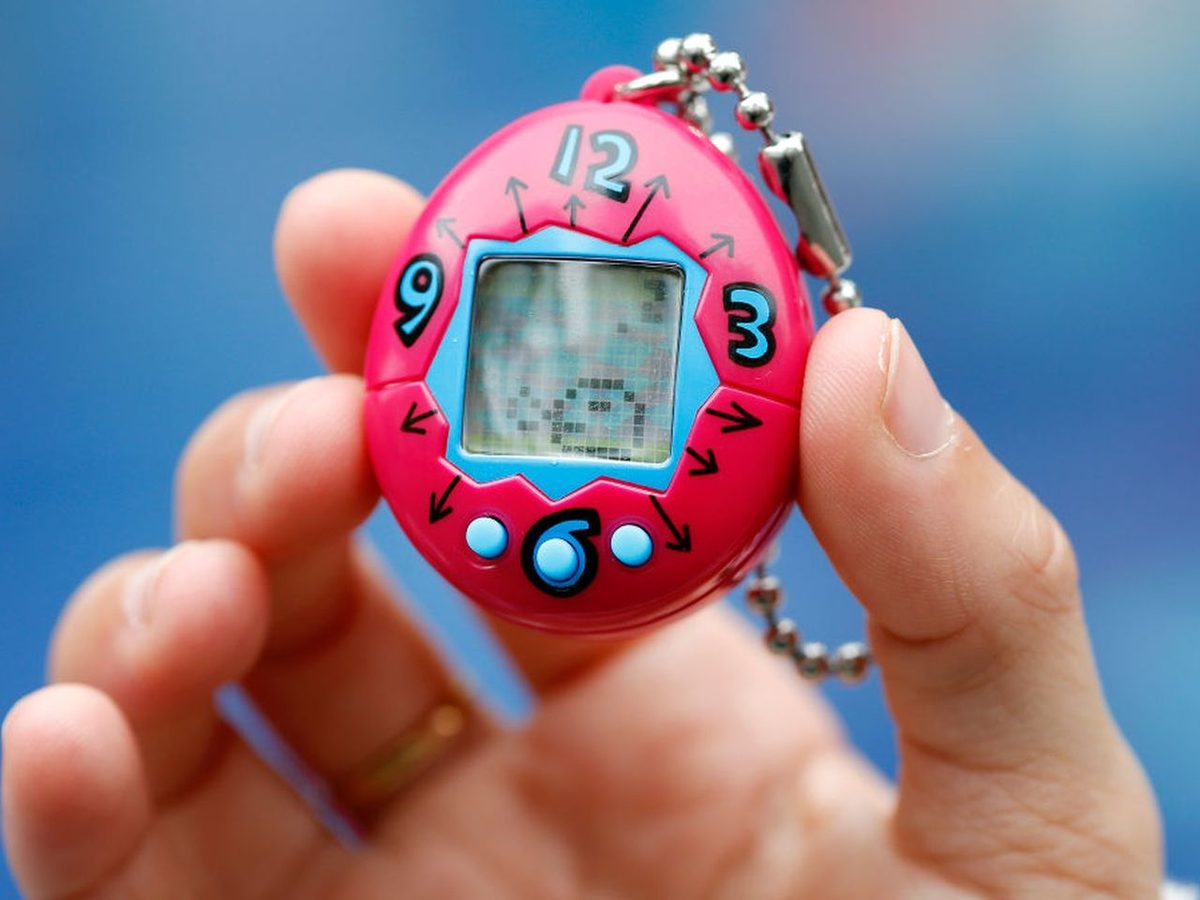
Close your eyes for a second. Hear that? That’s the screech of a 56k modem fighting its way onto AOL. The clatter of a VHS rewinding at Blockbuster. The tinny speaker of your Tamagotchi begging to be fed at 2 AM on a school night.
If those sounds hit you right in the chest, congratulations — you survived the 90s, and you’ve got the emotional scars (and the JNCO jeans) to prove it. This is everything we miss, everything we still mock, and everything we secretly wish would come back. 90s nostalgia is its own currency now, and Gen X spends it freely.
The Decade That Refused to Grow Up
The 90s were the last decade that felt analog and modern at the same time. You taped songs off the radio with one finger on the pause button. You memorized phone numbers because there was no other choice. The first time you tried to find someone online, you used Lycos or Excite and crossed your fingers that the result wasn’t a banner ad for X10 cameras.
The Retro Almanac
A monthly roundup of "on this day" highlights from that month, decades back — plus first dibs on new retro merch drops. No spam, just the good stuff.
Gen X owned the early part of the decade. Xennials and elder Millennials ran the back half. Every kid born between 1975 and 1990 absorbed the same strange cultural Kool-Aid — a mix of grunge, gangsta rap, Saturday morning sugar cereal, and Lisa Frank stickers slapped onto a Trapper Keeper that already had a unicorn on it.

The fashion was loud, the politics felt smaller, and nobody was livestreaming their breakfast. The decade was messy, slow, and unrepeatable — which is exactly why the music, fashion, and culture of the grunge era keeps clawing its way back into the present. Doc Martens didn’t come back by accident.
When Your First Pet Was a Plastic Egg That Pooped
Bandai released the Tamagotchi in Japan in November 1996. It landed in the United States in May 1997 and sold out faster than parents could figure out what they were buying. The company moved nearly 100 million units in two years and built a cultural icon out of a $14 piece of egg-shaped plastic with a 32×16 pixel screen. Schools banned them. Kids hid them in pencil cases. Parents quietly fed them in church.
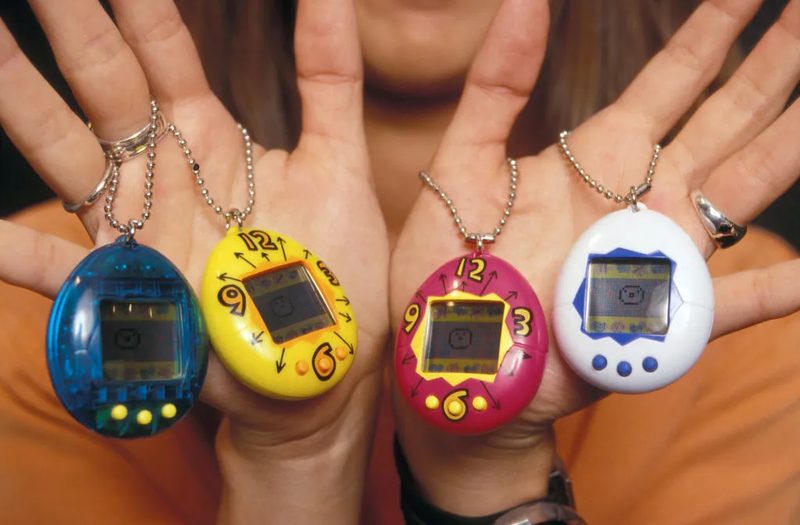
The Smithsonian later archived the Tamagotchi as a cultural artifact, which is something the average 12-year-old in 1997 absolutely did not see coming. The toy was three buttons and a monochrome screen, and somehow that was enough to wreck your sleep schedule, your grade in algebra, and the friendship of whoever you asked to babysit it during a field trip.
The truth nobody admits: most of us let our Tamagotchi die. Then we pressed reset and pretended we were better parents the second time. If you want the full inside story of how a plastic egg became the most argued-over toy of the decade, our deep dive on the Tamagotchi craze covers every weird stat — the seven possible adult outcomes, the schoolyard babysitting black market, all of it.

Dial-Up Was the Sound of the Future Arriving
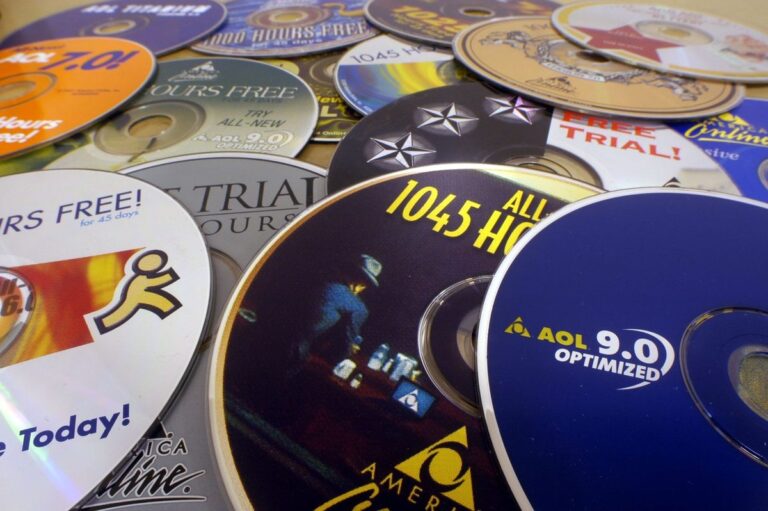
If you were online in 1996, the modem handshake was your starting whistle. You begged your mom to get off the phone. You waited 90 seconds for a single GIF of a dancing baby to render line by line. AOL had spent more than $300 million carpet-bombing American mailboxes with free trial CDs — at one point, half of every CD manufactured on the planet had the AOL logo stamped on it.
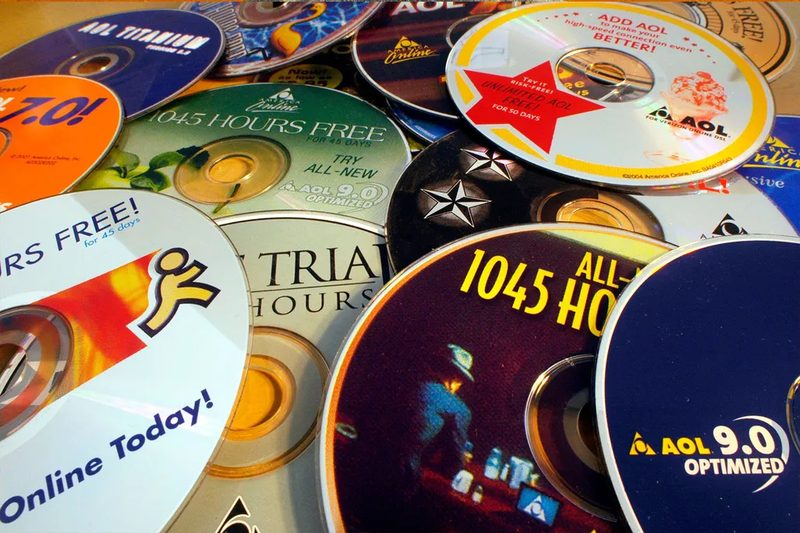
That campaign worked. By the late 90s, AOL had over 20 million subscribers and basically owned what most Americans called “the internet.” The walled garden didn’t matter. The “You’ve Got Mail” voice didn’t matter. What mattered was the feeling — the first time the chat window opened and a stranger from Ohio asked “a/s/l?” and you typed back, terrified and giddy and absolutely not telling your mom about it.
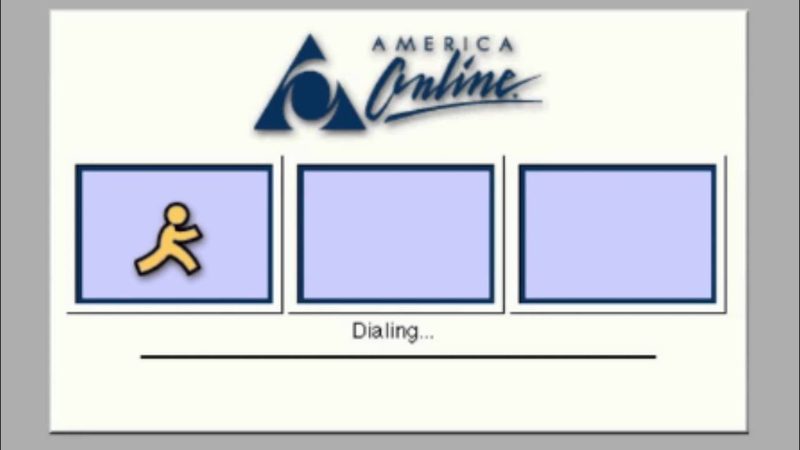
AOL officially killed dial-up service in September 2025, which means the literal soundtrack of the 90s internet is now extinct. The discs themselves became collectibles — one guy owns more than 4,000 unique versions, and the Internet Archive has preserved hundreds of them. Museums put them in display cases. We have officially become the artifact.
Saturday Mornings Belonged to Cereal and Cartoons
Saturday morning in 1994 had structure. You woke up before your parents. You poured a bowl of Cinnamon Toast Crunch with so much sugar dust at the bottom it doubled as a second beverage. You parked yourself in front of the TV from 7 AM to noon and absorbed back-to-back episodes of Doug, Rugrats, X-Men, Animaniacs, and Bobby’s World until your eyeballs glazed over and your mom told you to go outside.
Network Saturday morning blocks were a cultural ritual. Kids were the entire target audience. Cable would soon eat the whole thing alive, but for half a decade the ABC, NBC, and FOX morning lineups were appointment television. If you missed Power Rangers live, you got spoiled at school Monday and there was no DVR to bail you out. You learned to set a VHS to record and to label it in pencil so you could reuse the tape later.
The big-budget weirdness wasn’t only on Saturday. American Gladiators turned middle schoolers into Nitro fans, and an entire generation of kids learned about Wembley Stadium because of the Freddie Mercury Tribute Concert aired live on MTV in April 1992. We watched Carmen Sandiego on PBS and Reading Rainbow on the same set, and then went outside to ride bikes until the streetlights came on.
Netscape, AIM, and the Internet Before It Was Boring
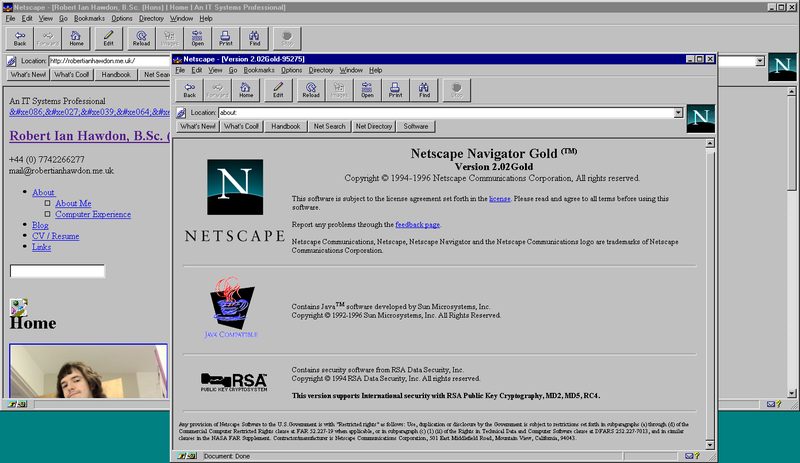
Netscape Navigator was the browser that taught most Americans what a URL was. Marc Andreessen’s team shipped Netscape 1.0 in late 1994 and built the internet most of us experienced for the first time — in a beige computer lab, with a screensaver of flying toasters bouncing somewhere behind us. Yahoo was a directory you actually clicked through. AltaVista was the search engine that returned results in a font that looked like a tax form.
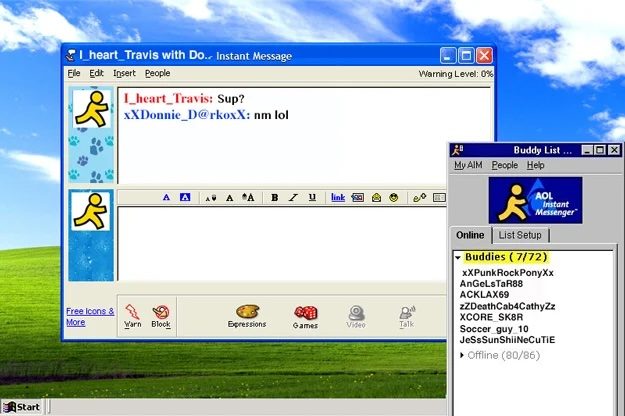
If Netscape was where you read, AIM was where you actually lived. The away message turned into performance art. You crafted yours from Dashboard Confessional lyrics or quoted lines from Empire Records, then refreshed your buddy list every six minutes for the rest of the night to see if your crush had logged on. The door-creak sound when someone signed in is locked in our heads forever.
Before everyone carried a phone, you had to actually call the house and pray nobody else picked up. Caller ID was a luxury upgrade your friend’s parents had and yours did not. We wrote a whole piece on how star 67 and caller ID killed prank calling. The 90s buried the prank call. They also gave birth to the longest text relationship most of us would ever have, typed in Comic Sans, at midnight, with the modem squealing in the background.
The Music Made Everyone Pick a Tribe
Nothing dated you faster in 1995 than the CD case you carried. Flannel and a Pearl Jam Vs. jewel case? Grunge kid. Wallet chain and a copy of The Chronic? Hip-hop head. Spice Girls poster? You were eleven and you were Scary, Sporty, or Posh and you would die on that hill. The decade made you choose because the tribes felt totally incompatible. They weren’t, but try telling that to a 13-year-old at recess in 1996.
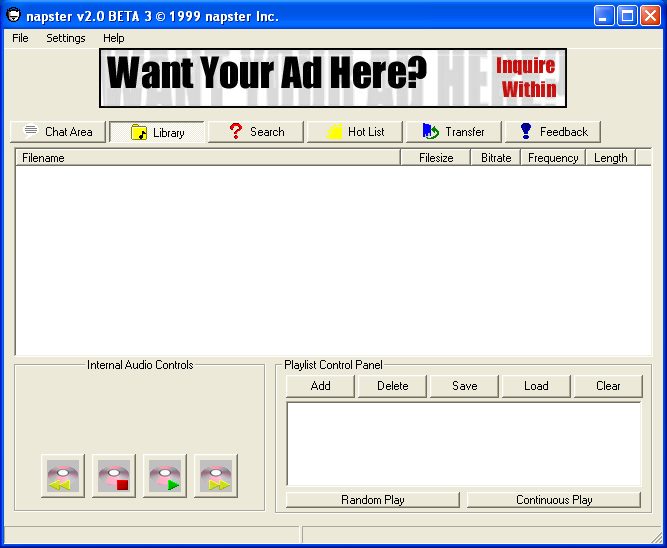
Then Napster blew the whole thing up. Shawn Fanning’s college dorm project launched in June 1999 and inside a year had 80 million registered users trading MP3s out of their bedrooms. Music suddenly cost nothing and the entire record industry started writing the obituary it never wanted to finish. Metallica sued. Limp Bizkit toured for free off the back of it. Lars Ulrich became the most-mocked drummer of the era.
Pop culture historians mark September 1991 — Nirvana’s Nevermind dropping the same week Michael Jackson released Dangerous — as the moment the volume changed for an entire generation. Our guide to the best grunge albums of all time walks the year-by-year wreckage, and our piece on how the Spice Girls took over the world covers the other half of the 90s pop universe — the half that wore platform sneakers and made “girl power” a global vocabulary word.
The Schoolyard Economy Ran on Pogs and Pokémon Cards
For one strange year — somewhere between 1993 and 1995, depending on where you grew up — the most valuable thing you could carry to school was a stack of cardboard milk caps. Pogs came out of Hawaii and went global. A slammer was your weapon. A holographic Looney Tunes cap was worth two regular Pogs in trade. Teachers confiscated entire collections. The game ended when the game ended, and nobody saw it coming.
Then Pokémon cards landed in the U.S. in 1999 and did the same thing all over again. The cycle was always the same: a craze swept the lunchroom, a fight broke out at recess, a parent wrote a letter, the principal banned it, and the next thing took its place. Our history of the Pogs schoolyard craze tracks the full rise and very abrupt fall.
Why 90s Nostalgia Hits Different in 2026
The 90s feel further away than they actually are. Doc Martens are back. Flannel is back. Tamagotchi is back. Wired headphones are back. The Internet Archive’s AOL CD collection is preserved and growing because we collectively decided the discs were too sacred to throw out. Even the sound of the modem now lives only on YouTube nostalgia channels.
What people actually miss isn’t the gear. It’s the slowness. The 90s ran at the speed of a 28.8k modem and a Friday night Blockbuster run, and that pace let attention exist. You watched the whole movie. You read the whole magazine. You spent an entire weekend trying to beat one level in a single video game or a movie that rewired your brain. Nothing was instant, so everything mattered more.
Pull out the JNCO jeans. Boot up the GeoCities. The decade isn’t coming back — but the people who lived it are still here, and they’re the ones telling the story. Loudly. With opinions. And usually wearing a band tee.
Sources
- Smithsonian Magazine — Keeping Tamagotchi Alive — history and cultural archive of the Tamagotchi craze
- NBC News — AOL ditching dial-up service — 2025 shutdown of America Online’s iconic dial-up service
- Engadget — Revisit the ’90s with a collection of AOL CDs — Internet Archive’s AOL trial disc collection
- Mental Floss — You’ve Got Mail: A History of AOL’s Free Trial CDs — the $300M mailbox marketing campaign that defined the 90s internet
Need help ranking on Google? RankOnRepeat manages your entire blog — keyword research, writing, and publishing — so your business shows up when customers search. See how it works →
Browse retro and vintage-inspired apparel at the RetroRadical shop →
The Retro Almanac
A monthly roundup of "on this day" highlights from that month, decades back — plus first dibs on new retro merch drops. No spam, just the good stuff.