2 Live Crew: 9 Wild Facts About the Banned 1989 Album
In 1990, you could be handcuffed in Florida for selling a rap record. Not bootlegging it, not stealing it — selling a legally purchased copy across the counter. That actually happened to a Fort Lauderdale store owner named Charles Freeman, and the album that put the cuffs on him was As Nasty as They Wanna Be. The whole saga turned four guys from Miami into the unlikeliest free-speech test case of the decade, and it’s a wilder story than most people remember.
Who Were 2 Live Crew?
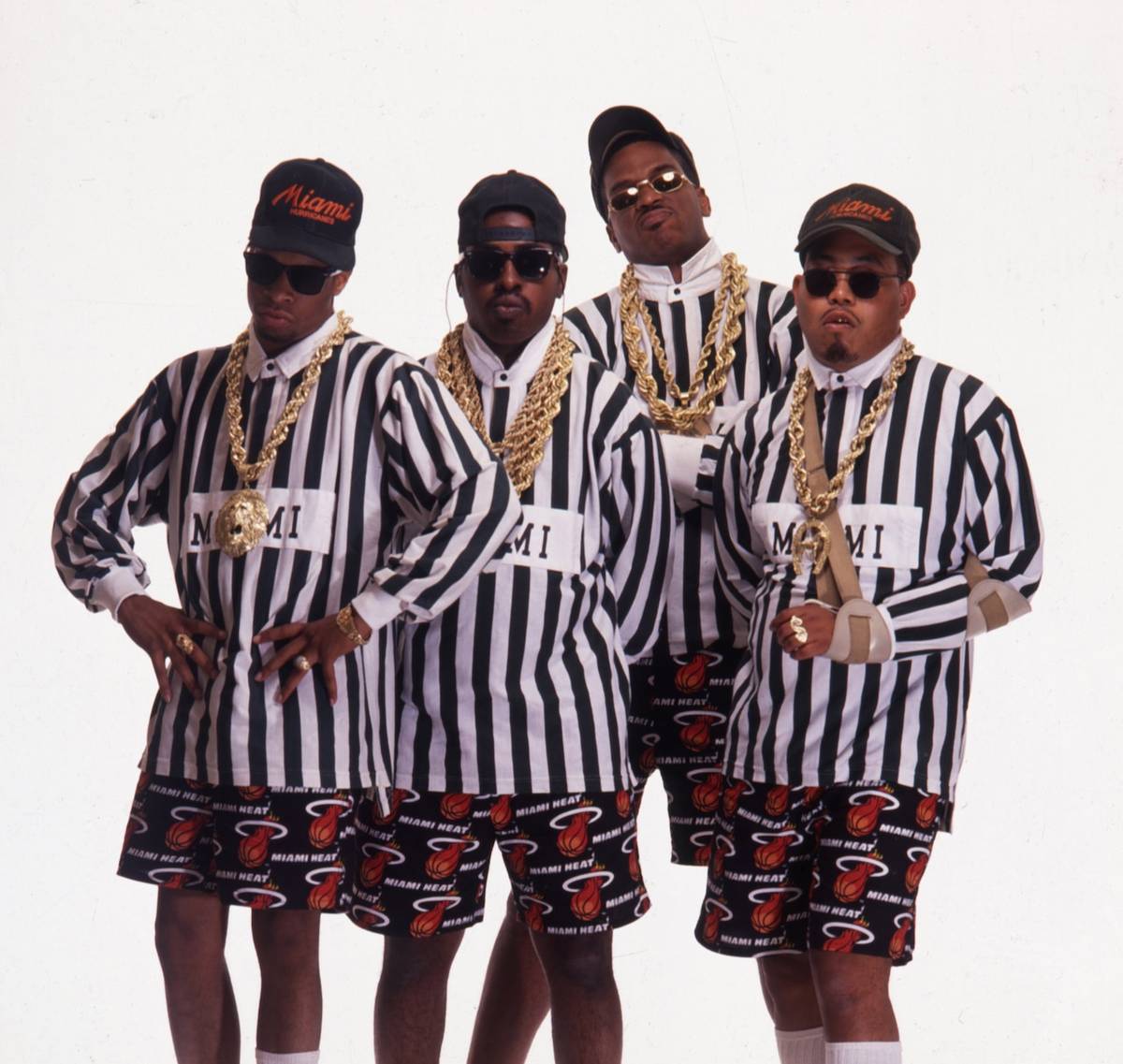
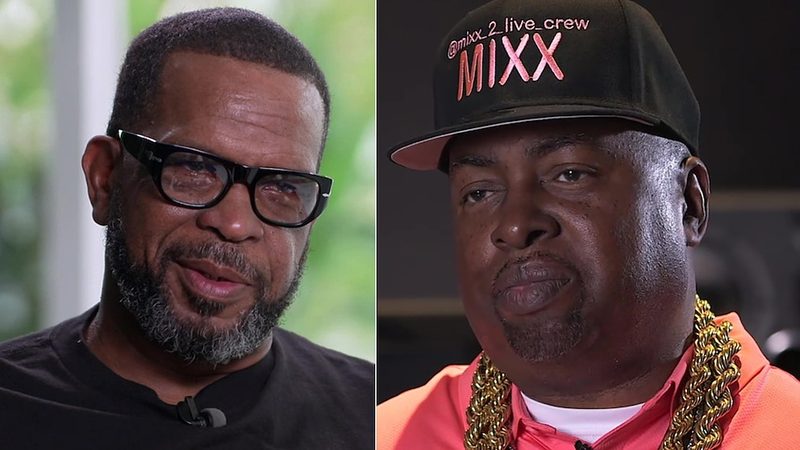
2 Live Crew were the loudest, rudest, bass-heaviest thing to come out of Miami in the late 80s. The group actually started in Riverside, California, in 1984 — DJ Mr. Mixx (David Hobbs) and Fresh Kid Ice (Chris Wong Won) cut their first single, “Revelation,” on a tiny independent label. A local promoter named Luther Campbell heard them, invited the crew to relocate to Miami, and never let go. He became their manager, hype man, and eventually the face of the whole operation under the name Luke Skyywalker.
The Retro Almanac
A monthly roundup of "on this day" highlights from that month, decades back — plus first dibs on new retro merch drops. No spam, just the good stuff.
With Brother Marquis (Mark Ross) rounding out the lineup, the four of them more or less invented the template for Miami bass: booming 808 low end, party chants, and lyrics that were filthy on purpose. They were a comedy act as much as a rap group, working blue like a Richard Pryor record set to a drum machine. That distinction — raunch as performance, not threat — would matter enormously once the lawyers showed up.

What Made “As Nasty as They Wanna Be” So Controversial?
As Nasty as They Wanna Be dropped on February 7, 1989, on Campbell’s own Luke Records through a deal with Atlantic. It ran nearly 80 minutes, peaked at No. 29 on the Billboard 200, and went platinum — eventually moving more than two million copies. The single driving it was “Me So Horny,” built around a sample lifted from Full Metal Jacket and a hook impossible to scrub out of your head.
The cover alone told you the label expected trouble: a clean version with the words “Play It Don’t Say It” shipped alongside the explicit one. The content was relentlessly sexual, and that was the entire point. Plenty of records were dirty in 1989. What made this one a target was that it sold like a pop smash while talking like a stag party — and it did it during the exact stretch when Tipper Gore’s PMRC and the Parental Advisory sticker wars had primed politicians to go hunting for an example to make.
How One Lawyer Sparked the Obscenity Case
This didn’t start with a sheriff. It started with an attorney. Jack Thompson, a Florida lawyer tied to the American Family Association, dug up the lyrics and carried them straight to Governor Bob Martinez, pushing him to test whether the album met the legal bar for obscenity. Martinez kicked it down to state prosecutors, and from there it landed in the lap of Broward County Sheriff Nick Navarro.
Navarro got a county judge, Mel Grossman, to sign off that there was probable cause the record was obscene. Then he did something genuinely strange: he had deputies fan out to record stores across the county, waving the ruling and warning owners they could be prosecuted for stocking it. No trial had happened yet. A sheriff was effectively pulling an album off shelves on his own say-so — and that overreach is exactly what handed the group its eventual courtroom victory.
The Ruling That Made History on June 6, 1990
On June 6, 1990, U.S. District Judge Jose Gonzalez ruled As Nasty as They Wanna Be legally obscene — the first sound recording in American history to earn that label from a federal court. His 62-page opinion ran the album through the Supreme Court’s 1973 Miller test: whether the average person would find it appealed to “prurient interest,” whether it was patently offensive, and whether it lacked serious artistic, political, or scientific value. Gonzalez decided it flunked all three, writing that the record was “an appeal to dirty thoughts and the loins, not to the intellect and the mind.”
It was a remarkable thing for a judge to declare from the bench — that a platinum album owned by two million Americans had no value worth protecting.
Arrested for Performing Their Own Songs
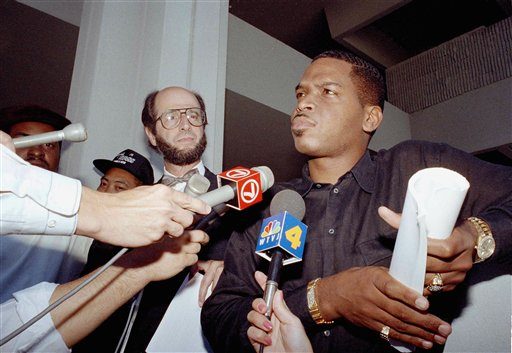
Three days later it got physical. On June 10, 1990, after 2 Live Crew played an adults-only show at a Hollywood, Florida club, Navarro’s deputies arrested Campbell, Wong Won, and Ross on obscenity charges — busted for performing the songs off a record a judge had just outlawed. The mugshots ran nationwide.
The arrests backfired in court. At the October trial, the jury acquitted the group, with the foreman noting that the audio recording of the performance was too muddy for anyone to make out what was actually said. The case against Charles Freeman, the record-store owner who’d sold a copy to an undercover deputy, went worse for him at first — a jury convicted him of selling obscene material. He dodged jail but ate a $1,000 fine, and his conviction was later overturned too. Campbell, to his credit, offered to bankroll the defense of anyone arrested over the album.
How Henry Louis Gates Defended the Album
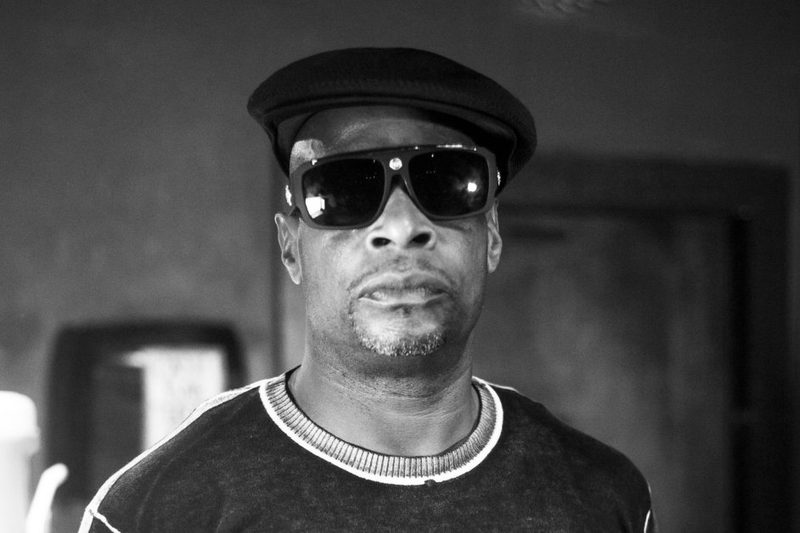
The defense’s secret weapon wasn’t a lawyer — it was a Harvard scholar. Henry Louis Gates Jr., one of the most respected literary critics in the country, took the stand for 2 Live Crew and argued that the lyrics prosecutors called filth were rooted in a long Black vernacular tradition of signifying, exaggeration, and comic boasting. He framed the record as parody and play, descended from the dozens and from a literary lineage that long predated rap.
That testimony reframed the entire fight. It wasn’t “is this dirty?” anymore — obviously it was. It was “does this have cultural and artistic value the First Amendment protects?” Gates gave the appeals court the intellectual cover to answer yes. The same censorship panic was chasing N.W.A. and Public Enemy at the time, but it was the Miami party-rap crew that drew the line in federal court.
The Appeal and the First Amendment Win
In 1992, the U.S. Court of Appeals for the Eleventh Circuit overturned Gonzalez’s ruling. The court’s reasoning was almost embarrassing in its simplicity: the government had presented an album and a stack of lyrics, but never actually proved the music lacked artistic value, while the defense brought experts who testified that it did. The judges held that As Nasty as They Wanna Be was protected speech. When Broward County tried to take it higher, the U.S. Supreme Court declined to hear the case, leaving the win in place.
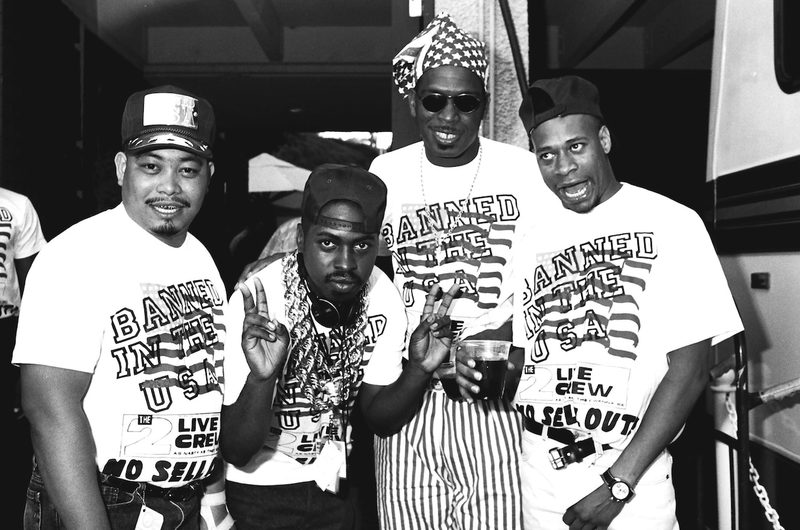
The group answered the noise the way only they would — with a record literally called Banned in the U.S.A., flipping Bruce Springsteen’s anthem into a middle finger at the whole prosecution (Springsteen, for the record, cleared the sample).
The Other Supreme Court Case Nobody Remembers
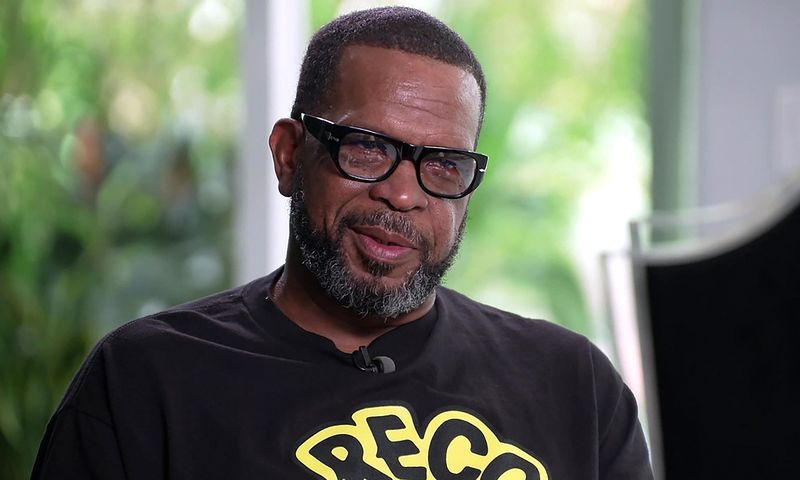
Here’s the twist that gets left out of the obscenity story: 2 Live Crew actually won at the Supreme Court — just in a different case. Their raunchy send-up of Roy Orbison’s “Oh, Pretty Woman” got them sued for copyright infringement, and in 1994 the justices ruled unanimously in Campbell v. Acuff-Rose Music that a commercial parody can qualify as fair use. That decision is now a cornerstone of copyright law taught in every law school in America.
Sit with that for a second. The same group a Florida judge branded as worthless smut handed the country two pieces of First Amendment and fair-use precedent that artists still lean on three decades later. Not bad for a crew whose biggest hit was “Me So Horny.”
Where Are 2 Live Crew Now?
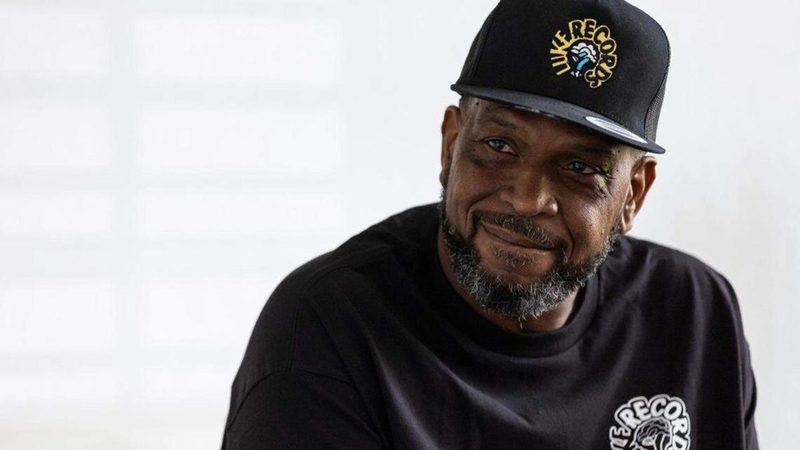
Luther Campbell reinvented himself many times over — radio host, youth football coach, newspaper columnist, and a 2011 Miami-Dade mayoral candidate who finished a respectable fourth. He never stopped reminding people that the obscenity case was his win as much as anyone’s. Time has been harder on the rest of the crew. Fresh Kid Ice died in 2017 at 53, and Brother Marquis passed in June 2024 at 57, both leaving behind a sound that quietly shaped every trunk-rattling Southern hit that followed.
Their fingerprints are everywhere now — Miami bass fed directly into crunk, into early Lil Jon, into the bass-first instinct of a whole region of rap. The crew that got arrested for being too loud ended up writing part of the rulebook everyone else plays by.
Why It Still Matters
Every time a rapper testifies that their lyrics shouldn’t be used as evidence in a criminal trial — a fight playing out in courtrooms right now — they’re standing on ground 2 Live Crew cleared first. The next time someone tells you rap got a pass from the law, point them to Fort Lauderdale, June 1990, and the platinum album a federal judge tried to make disappear. Dig into the rest of our 90s hip-hop coverage for the artists who carried the torch from there.
Sources
- The First Amendment Encyclopedia (MTSU) — 2 Live Crew — case timeline and court rulings
- As Nasty as They Wanna Be — Wikipedia — release details, sales, and chart positions
- The Washington Post — “Record Seller Arrested” (1990) — Charles Freeman arrest
- Billboard — “Me So Horny”: An Oral History — the making of the single
- Rolling Stone — Brother Marquis obituary — group history and legacy
Browse retro and vintage-inspired apparel at the RetroRadical shop →
The Retro Almanac
A monthly roundup of "on this day" highlights from that month, decades back — plus first dibs on new retro merch drops. No spam, just the good stuff.