Crystal Pepsi: The 1992 Clear Cola That Flopped Hard
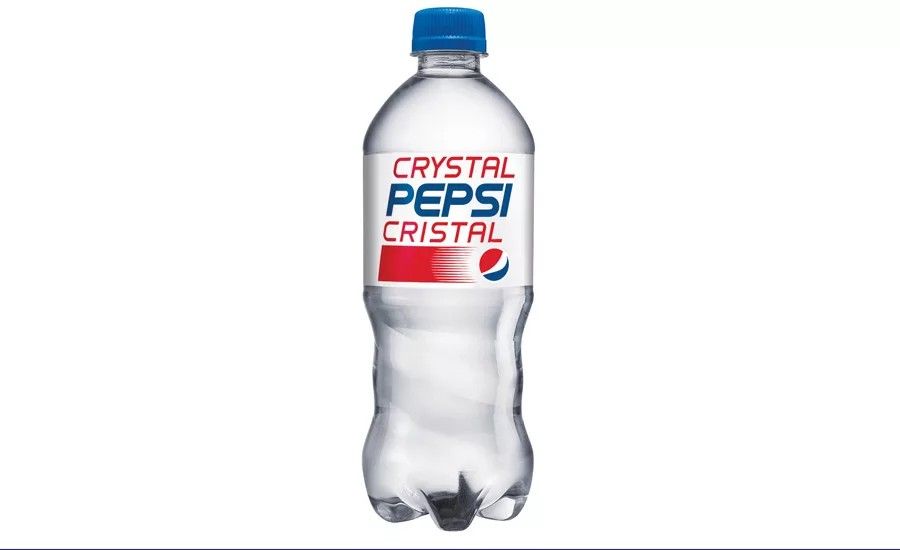
In 1992, Pepsi bet $40 million that Americans wanted to see through their cola. The pitch was simple and, for about twelve months, weirdly convincing: a soda with the crisp Pepsi taste but none of the caramel color, no caffeine, and a “pure” clear look that fit the health-obsessed early ’90s perfectly. For one glorious year it worked. Then it became one of the most famous flops in the history of the American supermarket — a punchline TIME later filed alongside the Edsel and New Coke.
What Was Crystal Pepsi, Exactly?
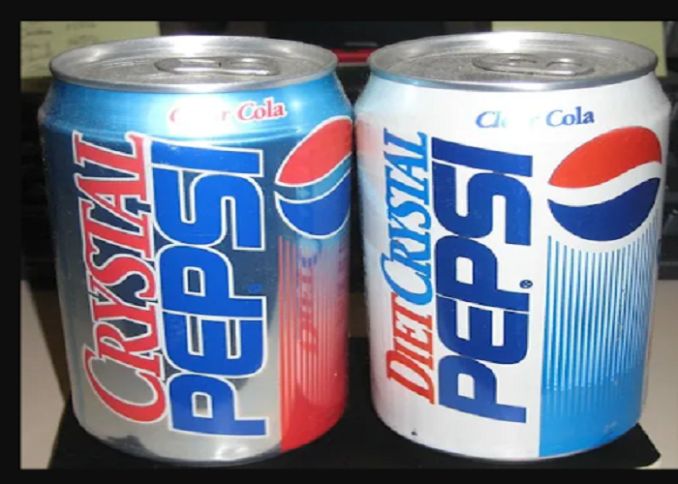
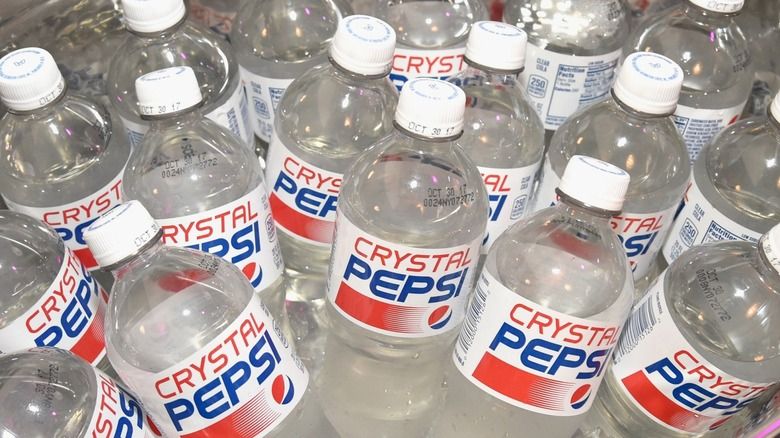
Crystal Pepsi was a clear, caffeine-free variant of regular Pepsi-Cola. Same rough flavor profile, minus the brown dye and the buzz. The idea came from David Novak, then a rising PepsiCo executive who later ran Yum! Brands. He was chasing a very specific early-’90s mood: clear meant clean, clean meant healthy, and healthy was selling. Ivory soap, clear dish detergents, Zima — “clarity” was a whole marketing language back then, and Novak wanted cola to speak it.
The Retro Almanac
A monthly roundup of "on this day" highlights from that month, decades back — plus first dibs on new retro merch drops. No spam, just the good stuff.
The rollout was methodical. Pepsi tested it in Dallas, Providence, Salt Lake City, and Colorado in the spring of 1992, got an encouraging response, and pushed it nationwide starting in December. The company was so confident it slapped the drink on shelves with a marketing budget most brands only dream about.
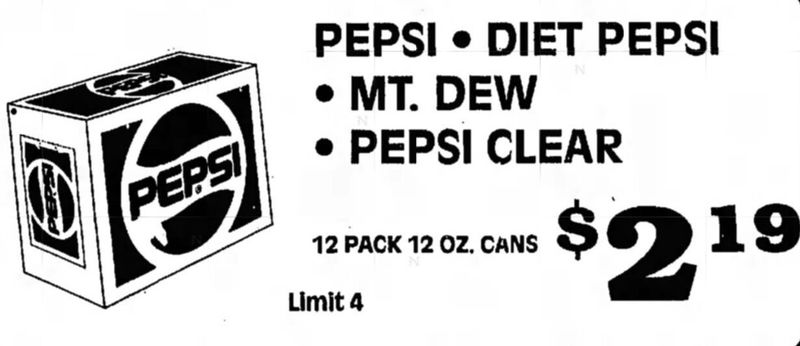
The $40 Million Van Halen Super Bowl Gamble
The centerpiece landed on January 31, 1993, during Super Bowl XXVII: a sweeping, black-and-white-into-color spot set to Van Halen’s “Right Now.” The campaign reportedly ran around $40 million total, including roughly $7 million on Super Bowl airtime alone and a teaser that aired during coverage of the presidential inauguration.
There was one problem — Van Halen didn’t really want in. The band was cool on handing “Right Now” to a soda, and by Eddie Van Halen’s own account, they only relented because Pepsi made it clear they’d re-record the song with someone else if the band said no. “The only reason we gave Pepsi the music was because they were going to use the song anyway,” Eddie told Guitar World in 1996. Pepsi paid a reported $2 million for the track and, to the band’s irritation, borrowed the visual style of Van Halen’s own “Right Now” music video almost shot for shot. It was the single most expensive push behind the drink — and it couldn’t save it.
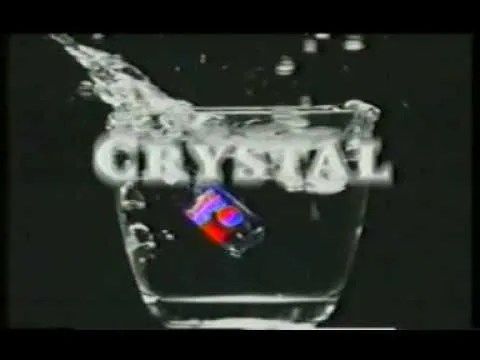
Why Crystal Pepsi Really Failed
The easy story is “people didn’t like it.” The real story is more interesting, and Coca-Cola deserves a chapter. When Crystal Pepsi started grabbing shelf space, Coke didn’t respond with a better clear cola — it responded with a grenade. Coca-Cola rushed out Tab Clear, a clear diet drink executives later openly described as a “kamikaze” product. The goal was never to sell Tab Clear. The goal was to blur the whole category: make “clear soda” read as a weird diet gimmick so shoppers lumped Crystal Pepsi in with it and walked away confused.
Sergio Zyman, Coke’s marketing chief at the time, has since admitted the strategy was deliberate sabotage — and it worked. Both drinks died, but Coke was happy to lose Tab Clear if it took Crystal Pepsi down too. That’s the part most people forget: Crystal Pepsi wasn’t just beaten by the market. It was assassinated.
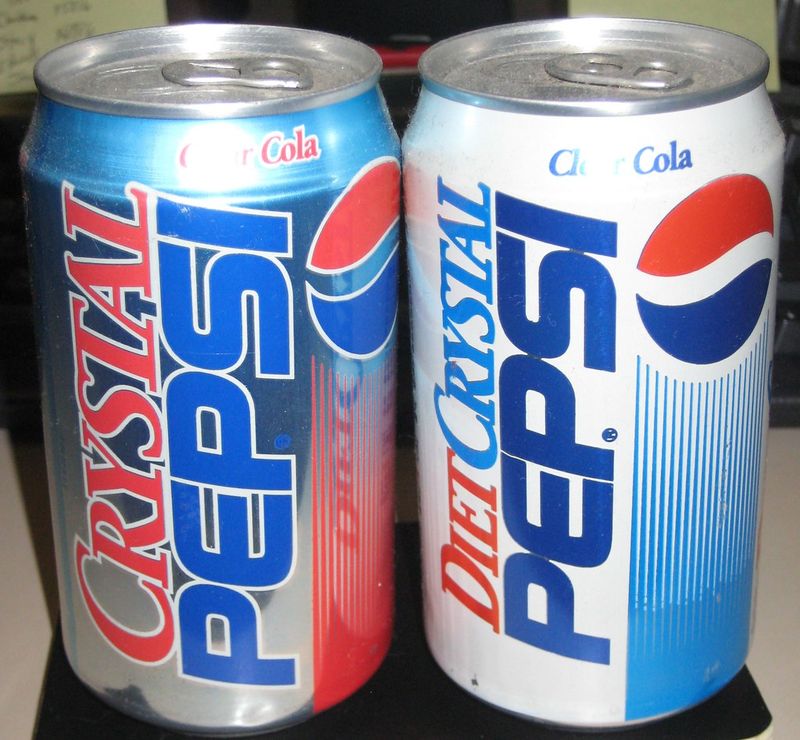
The Taste Problem Nobody Warned Them About
Sabotage explains part of it. The other part is that a lot of people took one sip and made a face. Here’s the psychology: your brain expects a dark cola to taste like a dark cola. When the color vanished but the flavor stayed roughly the same, the mismatch felt wrong — customers described it as tasting “off,” even when it was close to normal Pepsi. Some batches also reportedly had shelf-stability issues that let the flavor drift. A clear cola set up an expectation of a lighter, cleaner, almost lemon-lime taste, then delivered cola. That gap between what your eyes promised and what your tongue got is a hard thing to sell twice.
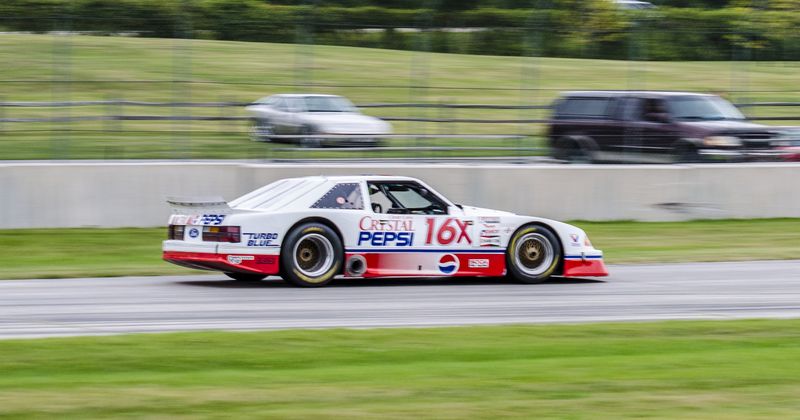
Novak himself later called it one of his most instructive failures, and gave a blunt post-mortem: the product wasn’t fully ready, and they should have gotten the formula right before spending $40 million telling everyone to try it. Launch big on something people love once and they come back. Launch big on something that confuses them and you’ve just paid to advertise your own weakness.
If you grew up cracking open weird ’90s experiments like this, you’ll appreciate how much of that decade ran on novelty for novelty’s sake — the same schoolyard energy that fueled crazes like the great Pogs takeover.
By Late 1993, It Was Already a Punchline
Consumer enthusiasm cratered fast. After that heady first year and its 1% market share — which sounds tiny until you remember 1% of the U.S. soft drink market is enormous money — sales fell off a cliff. Pepsi pulled Crystal Pepsi in late 1993, with the last stragglers hitting retailers in the first months of 1994. A short-lived reformulation called “Crystal” (dropping the Pepsi name and adding a citrus kick) came and went with even less fanfare.
The drink’s afterlife was almost bigger than its actual run. It became cultural shorthand for corporate overreach — the thing a “Saturday Night Live” parody skewered, the answer to a trivia question, the punchline in every “biggest product flops” listicle. TIME eventually named it one of the worst product failures of all time. Not bad for a soda that was only really on shelves for about a year.
The 2016 Comeback Nobody Saw Coming
Here’s the twist that makes Crystal Pepsi a great nostalgia story instead of just a cautionary tale: it came back because fans wouldn’t let it die. A big driver was competitive eater Kevin Strahle — “L.A. Beast” — who ran a loud, years-long online campaign begging Pepsi to bring it back, even chugging an aged, expired bottle on camera. Pepsi listened. In 2016 the company brought Crystal Pepsi back for a limited run, selling it in 20-ounce bottles in Canada from July 11 and in the U.S. from August 8.
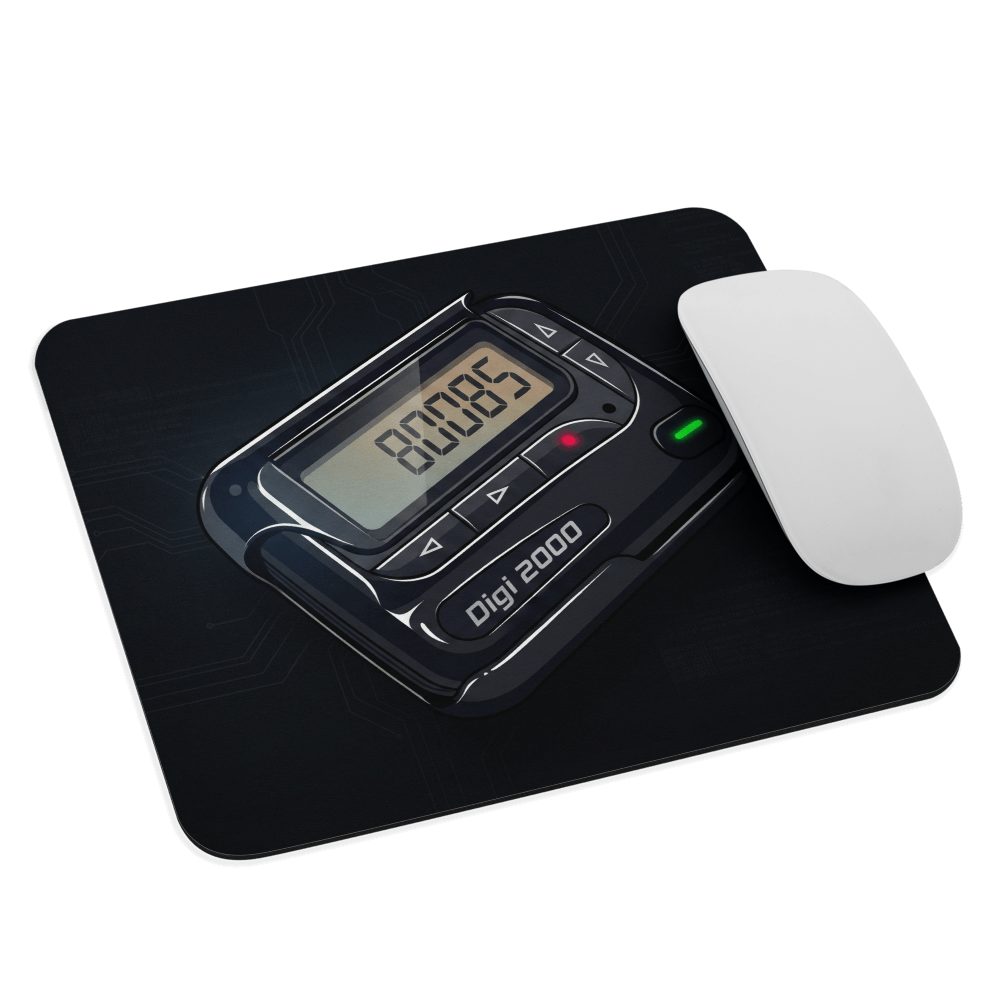
It returned again in 2017 and has popped up in sporadic limited drops since, treated exactly like what it now is — a nostalgia object, not a serious product line. The comeback batches leaned hard on the retro angle, which is the whole point. A soda that failed because it confused people in 1993 succeeds in 2016 precisely because everyone already knows the story. The flop became the feature. If you love that flavor of tech-and-product nostalgia, it sits right next to relics like the mighty boombox and the secret language of ’90s pager codes.
What Crystal Pepsi Got Right (and What It Teaches)
It’s easy to laugh, but give the drink its due. Crystal Pepsi read the culture correctly — clear-and-pure really was the aesthetic of the moment, and the branding was gorgeous. The failure wasn’t the concept; it was the execution and the timing, plus a rival willing to burn its own product to kill yours. Novak took the right lesson: a great idea launched before it’s ready is worse than no launch at all, because you spend your biggest marketing dollars teaching people to distrust you.
Thirty-plus years on, Crystal Pepsi is beloved in a way it never was when it was actually for sale. That’s the strange gift of Gen X nostalgia: the things that flopped hardest often age into the fondest memories. We didn’t keep buying it. We just never stopped talking about it.
Crystal Pepsi FAQ
Is Crystal Pepsi still available in 2026? Not as a permanent product. Since 2016 it has appeared only in sporadic limited-time nostalgia releases, so availability comes and goes. When it drops, it usually sells fast.
Did Crystal Pepsi taste different from regular Pepsi? It was meant to taste close to regular Pepsi, just without caffeine and color. In practice many drinkers felt the flavor was slightly “off” — largely because a clear drink tricks your brain into expecting a lighter, citrusy taste.
Why did Crystal Pepsi fail? A mix of a confusing taste-versus-look mismatch, Coca-Cola’s deliberate Tab Clear sabotage, and a product that was rushed to a $40 million launch before it was fully dialed in.
What was the Crystal Pepsi Super Bowl song? Van Halen’s “Right Now,” used in the Super Bowl XXVII ad on January 31, 1993. Pepsi paid a reported $2 million for it.
Sources
- Crystal Pepsi — Wikipedia — launch timeline, market share, discontinuation and comeback dates.
- Van Halen Wouldn’t Let Crystal Pepsi’s Super Bowl Ad Rip Them Off — Ultimate Classic Rock — Eddie Van Halen on the “Right Now” deal.
- Crystal Pepsi: The ‘clear’ ’90s hit makes a return — CNBC — details of the 2016 comeback and release dates.
- Crystal Pepsi Returns: The Weird History of Clear Sodas — Live Science — David Novak’s role and the clear-soda craze context.
- The History of Crystal Pepsi — The Retro Network — Tab Clear “kamikaze” sabotage and the flop’s aftermath.
The Retro Almanac
A monthly roundup of "on this day" highlights from that month, decades back — plus first dibs on new retro merch drops. No spam, just the good stuff.