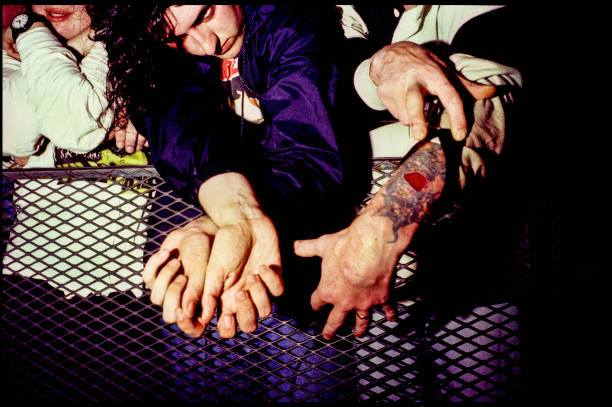
Gen Z Bought Grunge at the Mall and Gen X Has Notes
Walk into any Urban Outfitters in 2024 and you will find a rack of pre-distressed flannel shirts hanging under a hand-painted sign that reads “90s Vibes.” The price tag says $89. The wash is intentionally faded. The seams are factory-frayed. Somewhere in Seattle, a thrift store owner is laughing herself sick. This is the grunge resurgence in 2020s fashion — a movement that took the most anti-fashion fashion movement in modern history and gave it a barcode.
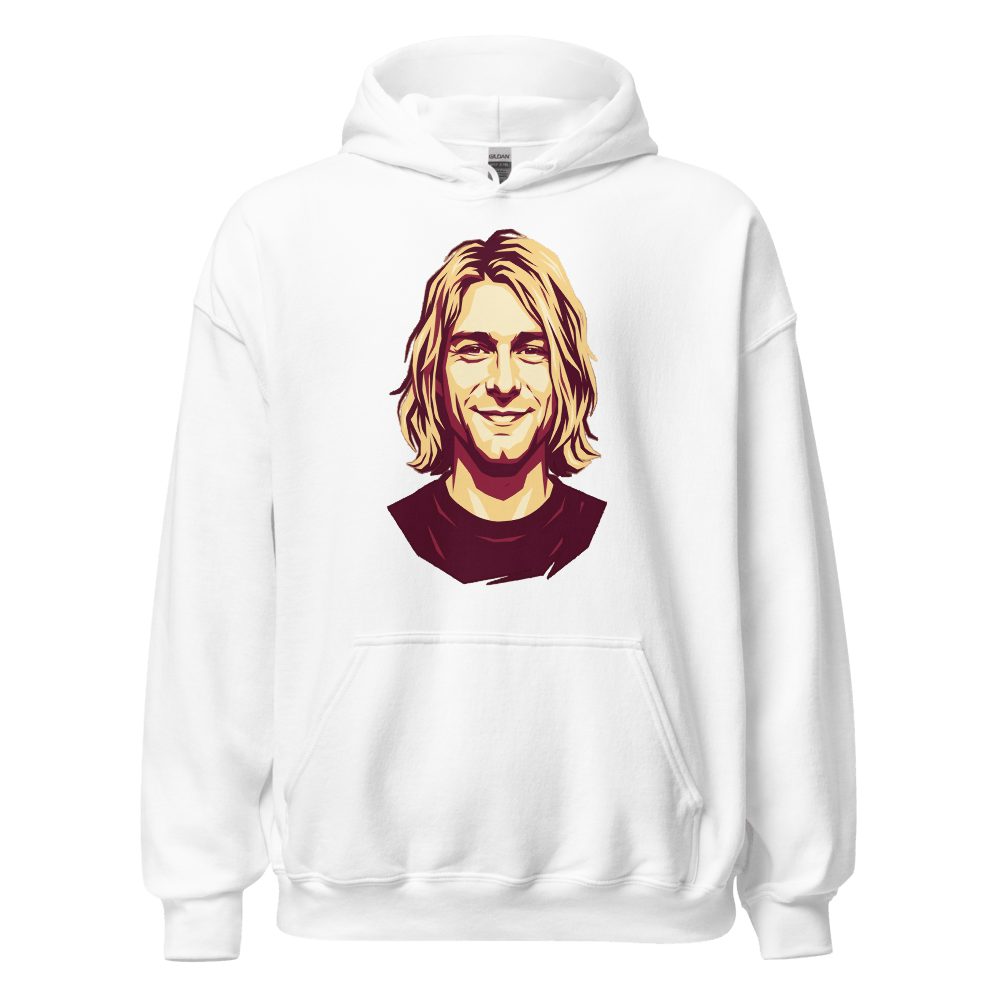
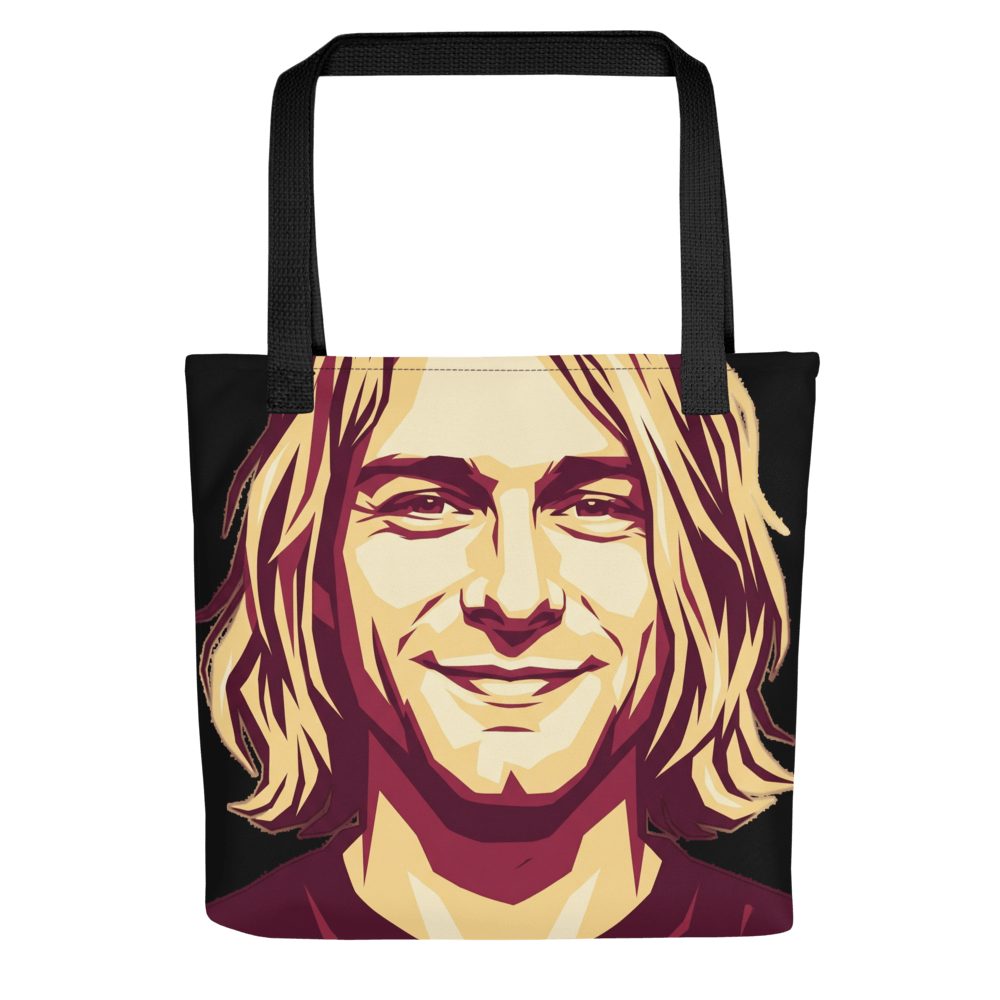
For those of us who lived through the first wave, watching Gen Z rediscover grunge has been a peculiar experience. It is part flattery, part bewilderment, and part rage. The kids look great. They really do. But somewhere between Kurt Cobain’s $20 cardigan and the $1,200 Saint Laurent version that sold out in 2023, something fundamental got lost in the wash cycle.
The Original Grunge Cost Five Dollars at Goodwill
Let us set the record straight for any zoomers reading this on their phones. Original grunge fashion was not a look. It was a budget. Kids in Olympia, Aberdeen, and Seattle in 1989 wore flannel because flannel was what their dads owned, what the thrift stores were drowning in, and what cost less than a six-pack of Rainier. The aesthetic was the byproduct of being broke in a rainy city where heat was a luxury and a Salvation Army membership might as well have been a stylist subscription.
Kurt Cobain did not curate his closet. He wore the cardigan that fit. Eddie Vedder did not strategize over Doc Martens. He bought one pair and wore them until they fell apart. The torn jeans were torn because they were old. The greasy hair was greasy because showers required quarters. Grunge was poverty cosplaying as taste, and the whole point was that nobody was supposed to notice it was a style at all.
How TikTok Rediscovered the Aesthetic Without the Politics
The 2020s grunge revival did not start in a record store. It started on TikTok, which is a sentence that should be carved into Mount Rushmore as a warning to future generations. Around 2021, somewhere between the cottagecore peak and the dark academia plateau, a subset of users began posting “grunge aesthetic” videos set to slowed-down covers of Nirvana songs. The videos featured ring lights, contoured makeup, and shirts that had been distressed by machines in Bangladesh rather than by years of bar fights in Belltown.
The algorithm noticed. Brands noticed faster. Within eighteen months, every fast fashion retailer from Shein to PacSun had launched a “grunge collection” that featured plaid skirts, chunky boots, and band tees for groups the model wearing them could not name. The political content of the original movement — its rejection of Reagan-era consumerism, its working-class roots, its loud distaste for being marketed to — was scrubbed off like dirt from a designer boot.
What remained was the silhouette. Flannel knotted at the waist over a slip dress. Doc Martens with socks pulled up to the calf. A choker, because the choker is required by law in any 90s revival. The look reads grunge from across a parking lot. Up close, it costs more than a month of rent did in 1992.

When Luxury Houses Came for Plaid
The cruelest joke in the grunge resurgence is that we already lived through this once. In 1992, Marc Jacobs was hired by Perry Ellis to design a runway collection, and he produced one of the most infamous shows in fashion history — a grunge-inspired lineup featuring silk versions of flannel shirts, beanies, and combat boots, priced at thousands of dollars each. Buyers walked out. Anna Wintour reportedly hated it. Jacobs was fired within weeks. The collection became legendary in retrospect, but at the time it was treated as fashion’s nuclear meltdown.
Thirty years later, the industry decided Marc Jacobs had simply been early. Hedi Slimane’s Saint Laurent put grunge on the runway in 2013 and never really took it off. R13 built an entire brand around flannel that costs more than a used Honda. Acne Studios sells distressed jeans for $440 and somehow they sell out. The same look that got Marc Jacobs fired is now the safest bet in luxury fashion. Time, as Cobain himself once mumbled into a mic, is a strange and unforgiving force.

Doc Martens Cost Two Hundred Dollars Now
Let us pause and grieve over Doc Martens for a moment. The 1460 boot in cherry red was, in 1991, a $90 statement that you were not interested in your parents’ approval. They came from England, they were endorsed by Joe Strummer and Pete Townshend before they made it onto the feet of every Seattle kid with a guitar, and they were built to last decades. The leather softened into a personal artifact. The yellow stitching faded into history.
The 2024 version costs $200 and frequently falls apart within a year. The leather is thinner. The construction was outsourced from Northamptonshire to factories elsewhere around 2003, and while the Made in England line still exists, it costs north of $300 a pair. The cultural cachet of the boot survived its quality decline because nobody under thirty has a frame of reference for what the originals felt like. They walk into a store, they pay the markup, they wear them to brunch. The boot stopped being armor and became an accessory.

The Slip Dress Returns and It Is Three Hundred Dollars
The slip dress is the unsung soldier of the grunge revival, and its second life has been even stranger than the first. In 1993, the slip dress was a $12 lingerie item from Kmart that Courtney Love and Winona Ryder wore over a beat-up tee to suggest they had recently woken up in someone else’s bed. The juxtaposition of delicate satin against scuffed boots was the entire point. The dress was meant to look like an accident.
In 2024, the slip dress has been rehabilitated by Reformation, Aritzia, and a hundred boutique labels into a $200 to $400 item designed to look impeccable. The cut has been tailored. The seams have been reinforced. The lace trim is now woven rather than glued. Every effort has been made to remove the very thing that made the original interesting, which was the implication that the wearer did not care. Caring is now the brand. The carelessness has been sold separately.
What Gen Z Actually Got Right
Before this becomes a full Gen X grievance column, credit where credit is due. The younger generation got several things right about the grunge revival, and pretending otherwise is the kind of bitter old-man behavior that gives us a bad name on social media.

First, they brought back the gender flexibility. Original grunge was already pretty loose on gender norms — guys wore floral dresses on tour, women wore baggy work pants, nobody really cared. The 2020s version has pushed that further, and the boundary blur between menswear and womenswear in current grunge styling is more interesting and more inclusive than anything we managed in 1993. Score one for the kids.
Second, the actual thrifting culture has exploded. Depop, Poshmark, and dedicated vintage Instagram accounts have made finding genuine 90s flannel easier than it was for many of us at the time. There is an entire generation now learning to identify Pendleton tags, original Doc Marten cores, and the precise weight of a real Champion sweatshirt versus a reproduction. That knowledge is real. It is not nothing.
Third, the music is being rediscovered honestly. Spotify playlists that started as background sound for outfit videos have led plenty of teenagers down the actual Nirvana rabbit hole, then over to Sonic Youth, then to Built to Spill, then to Mudhoney. The path exists. The trail has not gone cold. Some of the same kids buying $89 flannel are also buying In Utero on vinyl, and that matters more than the flannel does.
What Got Lost in the Wash
Still. The thing that grunge meant in 1992 was a rejection of being sold to. It was a generation that watched their parents lose pensions in the savings and loan crisis, watched Reagan tell them that ketchup was a vegetable, and decided collectively that they were no longer in the market for what corporate America wanted to sell them. The flannel was a flag. The thrift store was an act of disobedience. The whole point was that the look could not be commodified, because the moment you put a price tag on it the joke was over.
The joke is over. The price tag is on. The grunge resurgence in 2020s fashion is, ultimately, the most successful corporate capture of an anti-corporate movement since punk got turned into a Hot Topic display. You can buy distressed flannel at Target. You can buy fake band tees at Nordstrom. The clothing exists. The posture does not.
Which is fine. Fashion eats everything eventually. Punk got eaten. Hippie got eaten. Disco got eaten and then resurrected and eaten again. Grunge was always going to take its turn in the digestive tract, and at least it is taking the trip looking good. The kids in Doc Martens and oversized flannel walking past the Apple Store in 2024 are not wrong to wear what they wear. They are just wearing a costume of a feeling their grandparents lived through. The flannel remembers what they cannot.
Somewhere, in a Seattle storage unit, there is an original 1992 Nirvana tour shirt with armpit holes and a coffee stain. It is worth approximately $4,000 to the right buyer. Kurt would have hated that, which is exactly why it is funny, and also exactly why nothing about the grunge revival should be taken seriously enough to ruin your morning. Put on the flannel. Lace up the boots. Crank Bleach on the headphones. The aesthetic survives even when the politics do not, and there are worse things to inherit from the 1990s.
Sources
For further reading on the grunge resurgence and the original Seattle scene:
- Grunge fashion — Wikipedia
- Vogue — fashion industry coverage and runway archives
- Dr. Martens official site
- Perry Ellis grunge collection (Marc Jacobs, 1993) — Wikipedia
- Shop vintage flannel shirts on Amazon
- Shop Doc Martens 1460 boots on Amazon