Lithuania Independence 1990: The Day That Broke the USSR
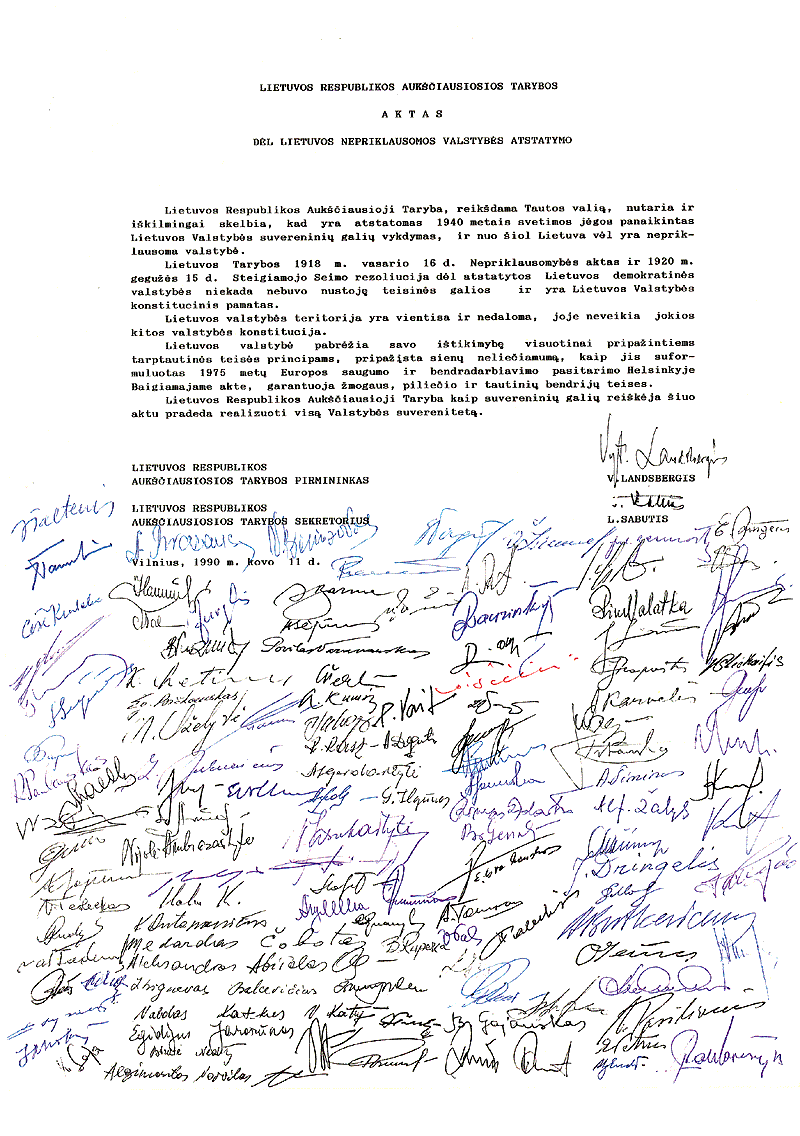
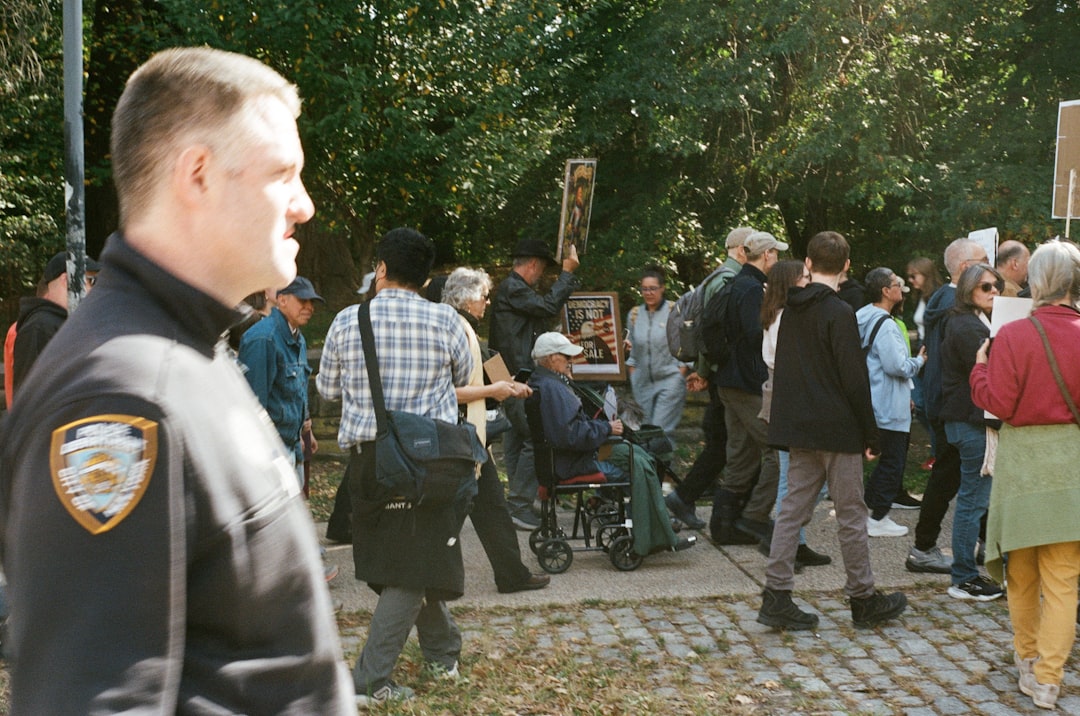
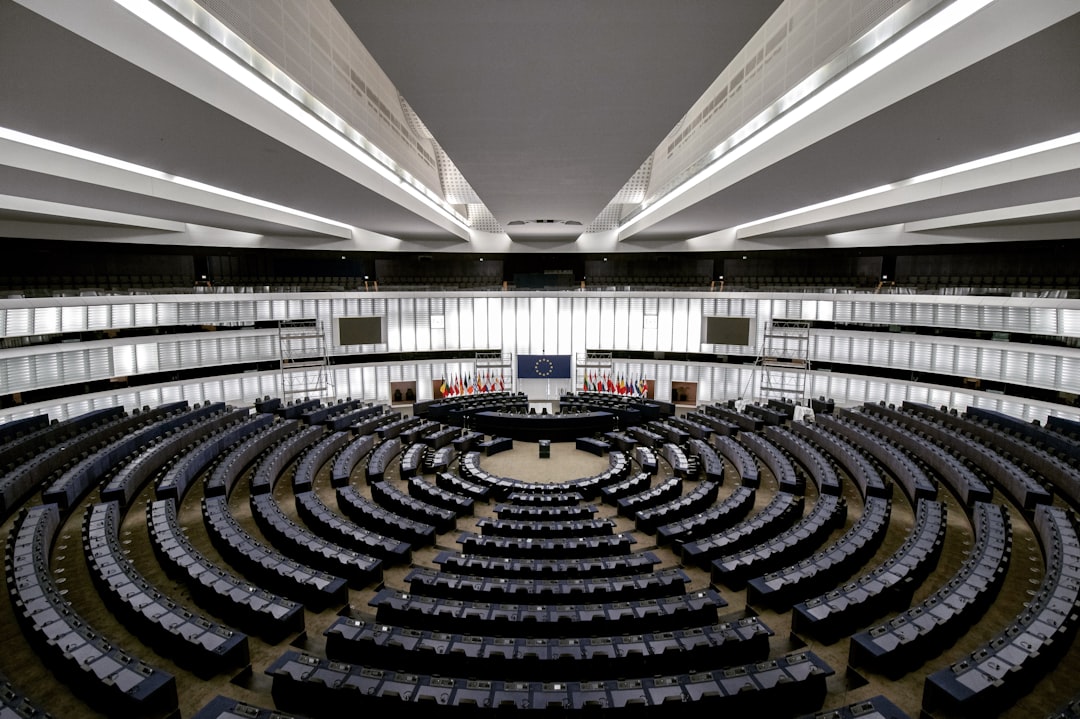
# The Day Lithuania Shattered the Soviet Empire: March 11, 1990 *The small Baltic nation that dared to be first — and changed the world* — The clock in the Lithuanian parliament building showed 10:44 PM when history pivoted on its axis. On March 11, 1990, in a stuffy chamber in Vilnius, 124 legislators did something that would have been unthinkable just months before: they declared their nation independent from the mighty Soviet Union. Lithuania wasn’t just breaking away from Moscow — they were shattering a 50-year nightmare and becoming the first domino in what would eventually topple the entire communist empire. This wasn’t just independence; this was revolution by democracy, courage by committee, and the beginning of the end for the USSR. ## The Night That Changed Everything Picture Vilnius on that chilly March evening. Spring was still weeks away, but inside the Supreme Council chambers, something electric was happening. The air was thick with cigarette smoke and tension as delegates debated the Act of the Re-Establishment of the State of Lithuania. This wasn’t some hastily scribbled declaration of rebellion. The document was carefully crafted, legally precise, and diplomatically brilliant. Rather than declaring “independence” from scratch, it proclaimed the restoration of the independence that Lithuania had enjoyed from 1918 to 1940 — independence that had never been legally extinguished.  *The original Act of the Re-Establishment of the State of Lithuania, signed on March 11, 1990* The vote was unanimous among those present: 124 votes in favor, zero against, with six abstentions. In that moment, Lithuania became the first Soviet republic to declare independence since World War II. The impossible had become inevitable. ## From Occupation to Liberation To understand the magnitude of that March night, we need to rewind to 1940. Lithuania had been an independent nation for just over two decades when Hitler and Stalin carved up Eastern Europe with the secret Molotov-Ribbentrop Pact. The Baltic states were assigned to the Soviet “sphere of influence” — diplomatic speak for conquest. What followed was a masterclass in Soviet oppression. President Antanas Smetona fled rather than capitulate. His successor was forced to appoint a Communist prime minister under Soviet pressure. Rigged elections followed, producing a puppet parliament that “requested” admission to the Soviet Union. By August 1940, Lithuania had vanished from the map. For 50 years, Lithuania endured Sovietization: farms were collectivized, private property was nationalized, the Catholic Church was suppressed, and approximately 130,000 Lithuanians were deported to Siberian gulags as “enemies of the people.” Armed resistance continued until 1953, but the partisans were eventually crushed.  *Mass demonstrations like this became common across Lithuania as independence fever grew* Then came Mikhail Gorbachev with his revolutionary ideas: glasnost (openness) and perestroika (restructuring). For Lithuanian dissidents, this wasn’t just political reform — it was an opening they’d been waiting decades to exploit. ## The Rise of Sąjūdis The spark came on August 23, 1987 — the 48th anniversary of the hated Molotov-Ribbentrop Pact. The Lithuanian Liberty League organized the first public protest rally in decades. When no arrests followed, something fundamental had shifted. By 1988, a group of 35 intellectuals had formed Sąjūdis (The Movement). Initially, they simply wanted to support Gorbachev’s reforms within the Soviet system. But Sąjūdis grew like wildfire, drawing massive crowds to rallies in Vingis Park. The movement’s goals became increasingly radical: economic autonomy, then political autonomy, then outright independence. By August 1989, when Sąjūdis helped organize the Baltic Way — a 600-kilometer human chain linking Lithuania, Latvia, and Estonia — independence was no longer a dream but a demand.  *Mikhail Gorbachev’s 1990 visit to Lithuania in an attempt to prevent independence* ## Democracy Triumphs The February 1990 parliamentary elections were the first free and democratic elections Lithuania had seen since 1926. The results were a landslide: Sąjūdis candidates won overwhelmingly, even though the movement didn’t run as an official party. On March 11, the newly elected Supreme Council convened for its first session. They elected Vytautas Landsbergis, a musicology professor and Sąjūdis leader, as chairman. Then they got down to the business of making history. The Act of the Re-Establishment of the State of Lithuania was read aloud. The legal argument was clever: since Lithuania’s incorporation into the USSR had been illegal under international law (forced annexation violates the principle of self-determination), the 1918 declaration of independence had never been legally nullified. 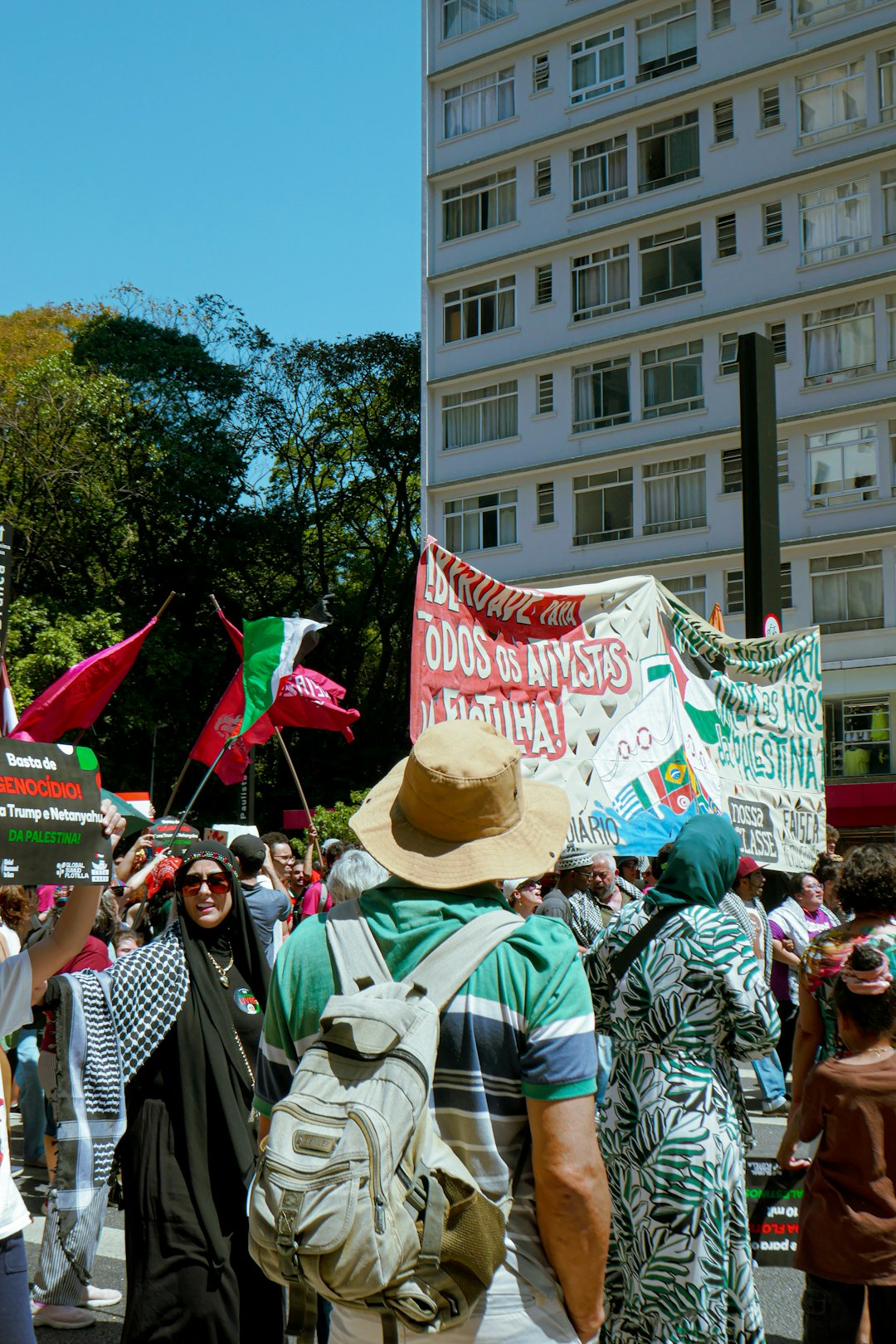 *Flags and banners became symbols of the independence movement* ## Moscow’s Furious Response Gorbachev was not amused. He declared the independence act “illegal and invalid,” demanding Lithuania revoke it immediately. When the Lithuanians refused, Moscow turned to economic warfare: cutting off oil supplies, stopping natural gas deliveries, and imposing a crushing economic blockade. But Lithuania held firm. The small nation that had survived Nazi occupation and Soviet oppression wasn’t about to cave to economic pressure. They issued their own visas, posted border guards, and began conducting themselves as a sovereign state. The pressure escalated dramatically on January 13, 1991, when Soviet special forces stormed the Vilnius TV tower and Lithuanian Radio building. Fourteen civilians were killed and hundreds wounded as tanks rolled through the capital. The world watched in horror as the Soviet giant tried to crush the democratic mouse. ## The Domino Effect Lithuania’s courage was contagious. Latvia followed with its own independence declaration in May 1990. Estonia wasn’t far behind. By the end of 1991, all 15 Soviet republics had declared independence, with Kazakhstan being the last in December. Recognition came in waves. Moldova was first to recognize Lithuania’s independence on May 31, 1990. Iceland followed in February 1991, arguing they had never formally recognized Soviet control anyway. After the failed August 1991 coup attempt in Moscow, the floodgates opened: the United States recognized Lithuania on September 2, followed rapidly by dozens of nations. 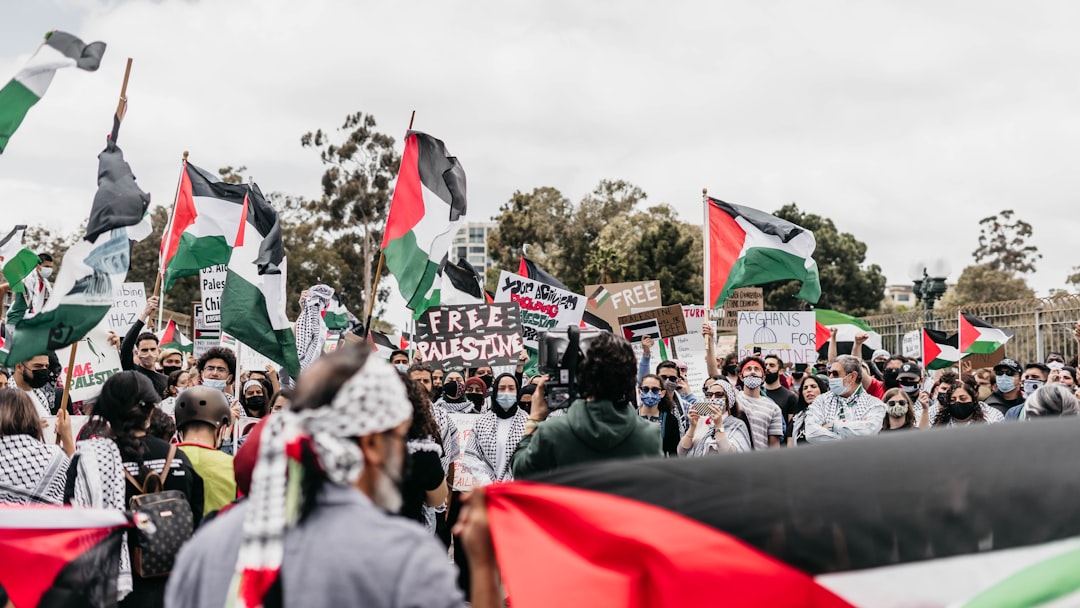 *Celebrations erupted as independence was achieved* The Soviet Union officially recognized Lithuania’s independence on September 6, 1991 — a remarkable admission that the empire was crumbling. Eleven days later, Lithuania joined the United Nations. ## The 1990s: Freedom’s Decade For Americans living through 1990, Lithuania’s declaration might have seemed like a distant European affair. But this small Baltic nation had just accomplished something extraordinary: they had shown that the Cold War’s supposed permanence was an illusion. Lithuania’s independence was the first crack in the Iron Curtain that would soon become a avalanche. By Christmas 1991, the Soviet Union itself would cease to exist. The Berlin Wall fell, Eastern European communist governments toppled like dominoes, and the bipolar world order that had defined the entire post-WWII era vanished almost overnight. 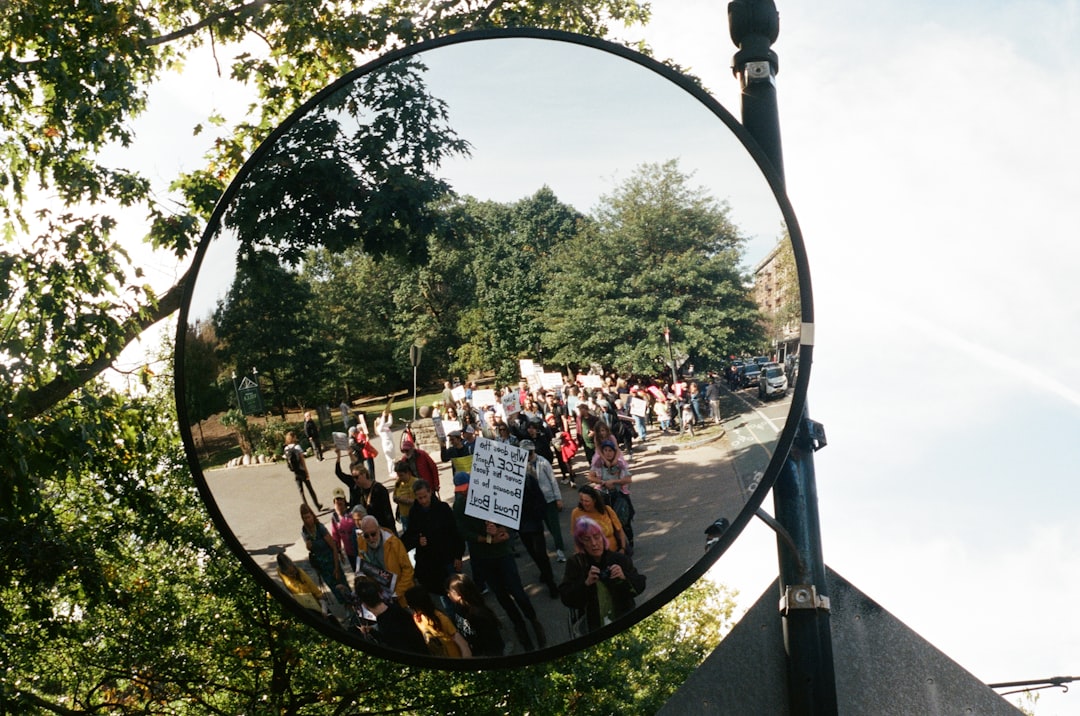 *Peaceful protesters reflected the spirit of Lithuania’s democratic revolution* The ’90s became the decade of democracy’s triumph. Francis Fukuyama proclaimed “the end of history” as liberal democracy appeared to have won the ultimate ideological victory. Stock markets soared, the internet emerged, and the “peace dividend” from reduced military spending fueled economic growth. ## Why Lithuania Matters Today Looking back from 2026, Lithuania’s March 11, 1990 declaration stands as one of the most consequential acts of political courage in modern history. A nation of fewer than 4 million people faced down a nuclear superpower and won — not through violence, but through democratic will and moral clarity. Lithuania proved that even the mightiest empires crumble when their subjects refuse to accept illegitimate rule. They showed that small nations can reshape the world order when they have the courage to act on their principles. 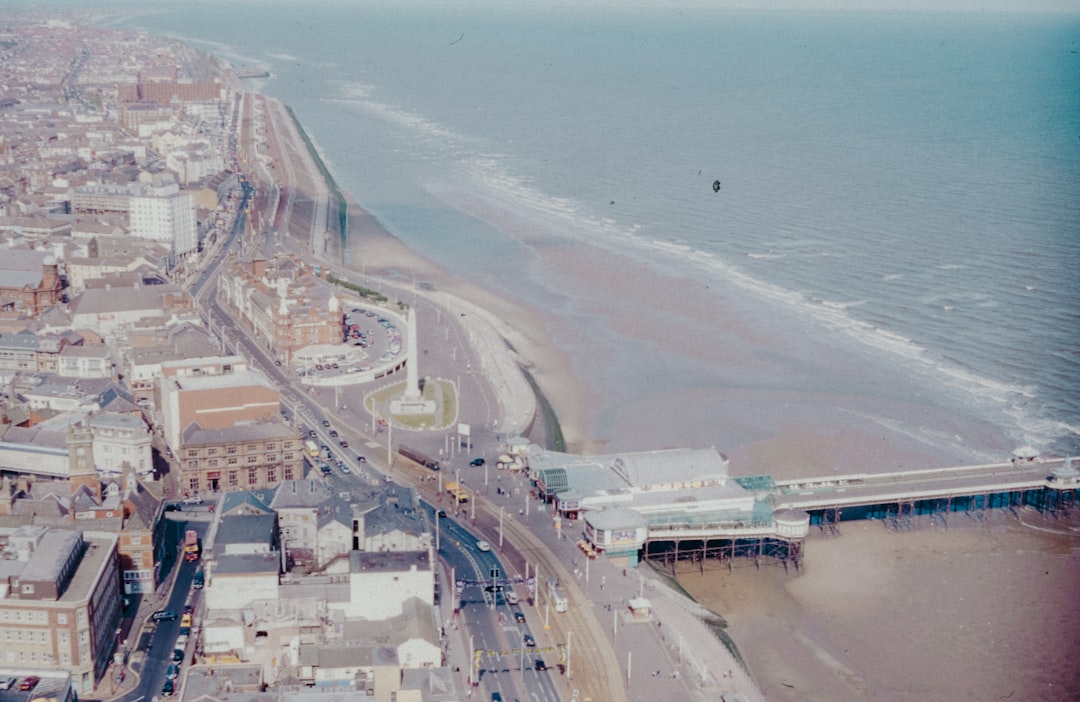 *Lithuania today stands as a modern democracy and EU member* Today, Lithuania is a thriving democracy, a NATO member since 2004, and part of the European Union. The nation that dared to be first in breaking free from Soviet control has become a model of post-communist success. ## The Legacy of That March Night The story of March 11, 1990 reminds us that history’s most important moments often happen in ordinary rooms with ordinary people doing extraordinary things. The 124 Lithuanian legislators who voted for independence that night weren’t professional revolutionaries — they were teachers, engineers, doctors, and farmers who decided their nation deserved better. Their courage changed everything. The Soviet Empire that had seemed permanent dissolved within 18 months. The Cold War ended not with nuclear exchange but with ballot boxes and peaceful protests. The world of the 1990s — with its expanded freedoms, global markets, and democratic optimism — was born in large part from the precedent set in that Vilnius chamber. Every March 11, Lithuania celebrates Restoration of Independence Day with the knowledge that their small nation helped write one of history’s greatest chapters: the triumph of democracy over dictatorship, self-determination over imperial control, and hope over fear. The Act of March 11 proved that sometimes, the pen really is mightier than the sword — even when the sword belongs to a nuclear superpower. — *Sources: Wikipedia, Radio Free Europe/Radio Liberty, BBC Archives, Lithuanian Ministry of Foreign Affairs* **Tags:** On This Day, 1990, Lithuania Independence, Soviet Union, Cold War, Democracy, Baltic States, Vytautas Landsbergis, Sąjūdis, Iron Curtain, Eastern Europe, Political History, March 11
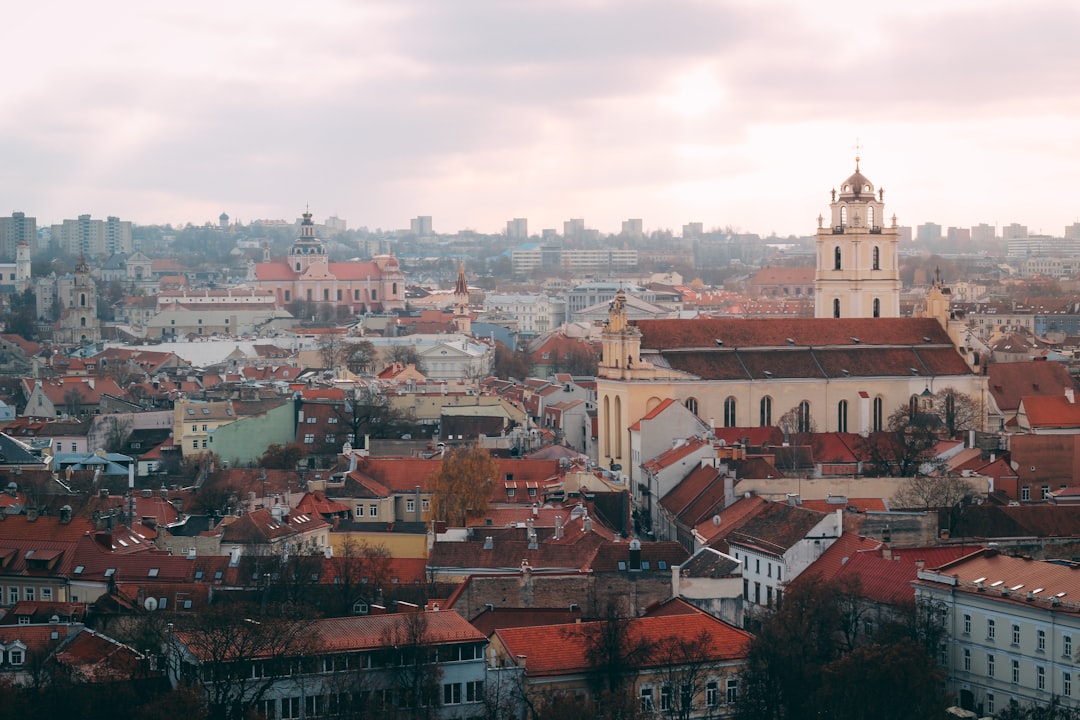
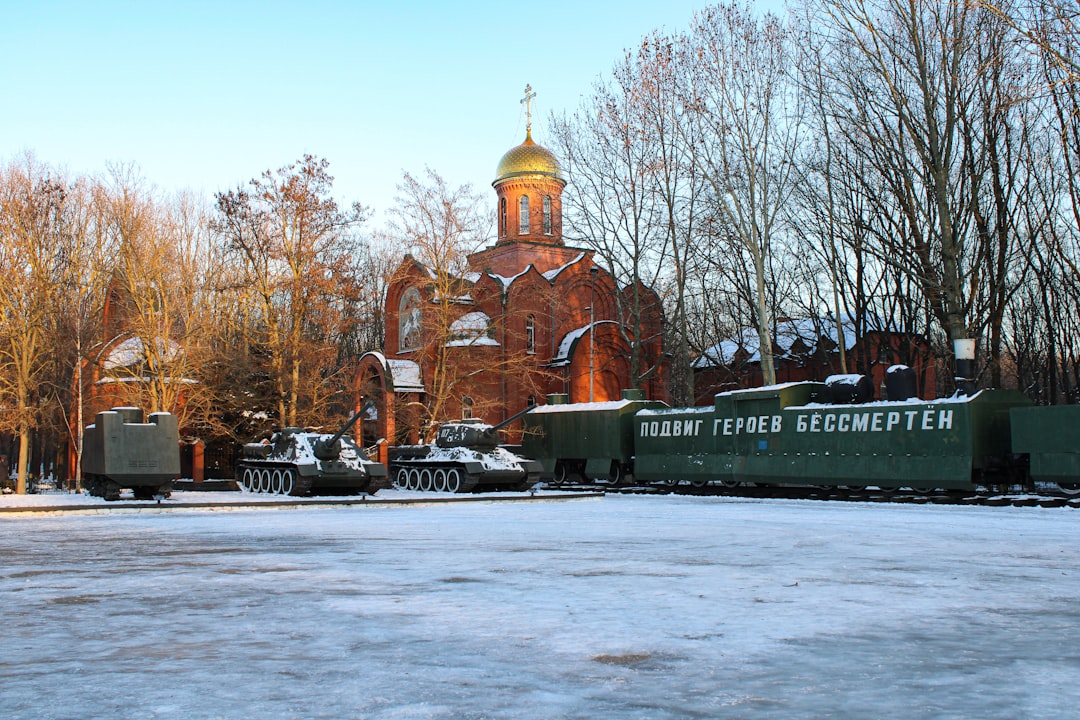
The spirit of resistance and cultural expression in 1990 echoes themes from our look at 80s Retro Video Game Culture That Defined a Generation, where creativity thrived as a form of defiance during the Cold War era.
For more stories from this transformative period, explore our piece on Why 90s Sitcoms Were the Golden Age of TV.
For deeper historical context, see Wikipedia’s article on Lithuanian independence and the BBC’s coverage of the Soviet Union breakup.