
Wu-Tang Forever: How Nine MCs from Staten Island Rewrote the Rules of Rap
Nine MCs from the forgotten borough. One master plan. How Wu-Tang Clan conquered the Golden Age of hip-hop and built an empire that nobody in the music industry saw coming.
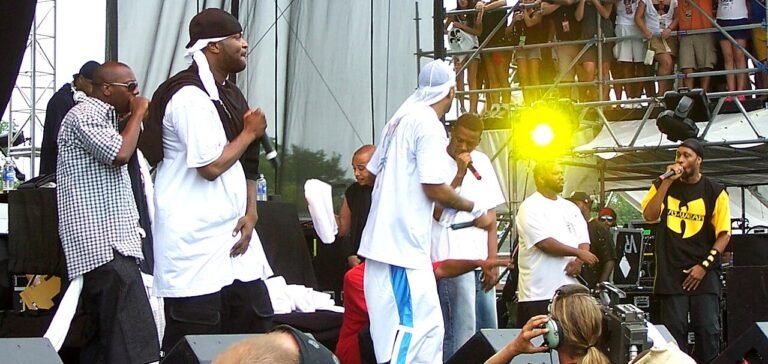
Nine MCs from the forgotten borough. One master plan. How Wu-Tang Clan conquered the Golden Age of hip-hop and built an empire that nobody in the music industry saw coming.
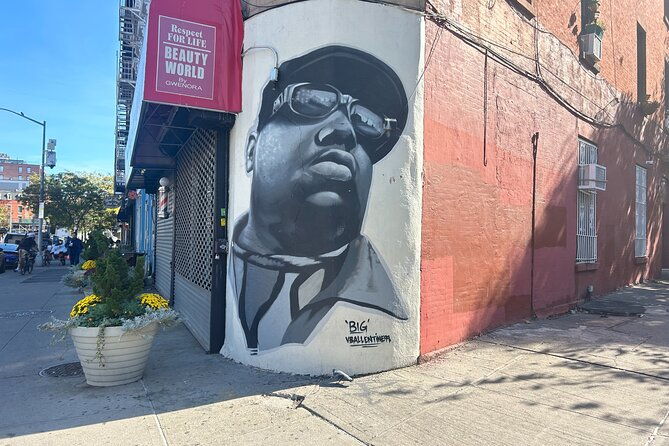
In the mid-1990s, two record labels, two coasts, and two larger-than-life rappers turned a musical rivalry into something far darker — and changed hip-hop forever.
In the Golden Age of hip-hop (1990–1999), the rap album stopped being a bag of singles and became a start-to-finish work of art — from Illmatic to 36 Chambers.
Illmatic, Ready to Die, and a run of debut albums that no year has topped since. Here’s why 1994 stands as the peak of Golden Age hip-hop.
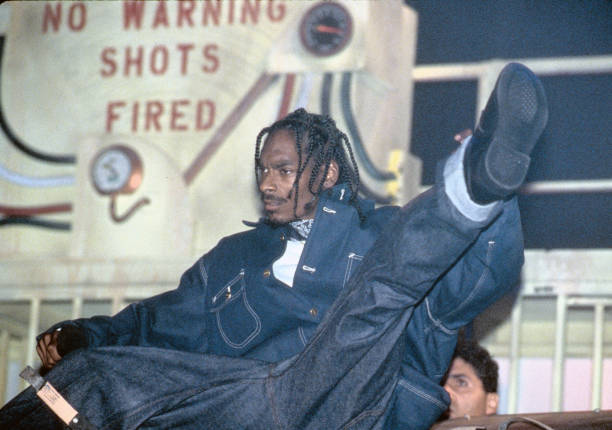
In December 1992 Dr. Dre pressed play on a slow, synth-soaked bassline and the center of gravity in Golden Age hip-hop slid west. This is how The Chronic turned G-Funk into the sound of the decade.

Before rap got polished, Public Enemy and their production team the Bomb Squad built the densest, angriest, most overwhelming sound of the Golden Age. This is how they weaponized noise.

The Golden Age of hip-hop (1990–1999) wasn’t just great rappers — it was crate diggers, dusty drum machines, and producers who turned old vinyl into new gold.
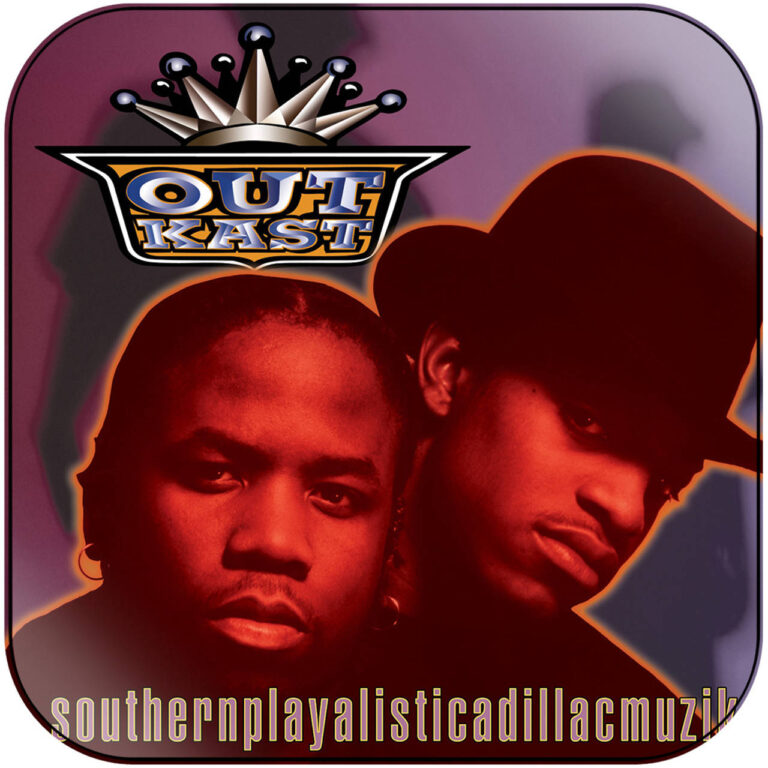
In a single year, Nas, Biggie, and OutKast turned the Golden Age of hip-hop into something permanent. Here’s why 1994 still stands as rap’s greatest twelve months.

From The Chronic to Illmatic, the Golden Age of hip-hop turned the 1990s into the most fearless decade rap ever had. Here’s how it happened.
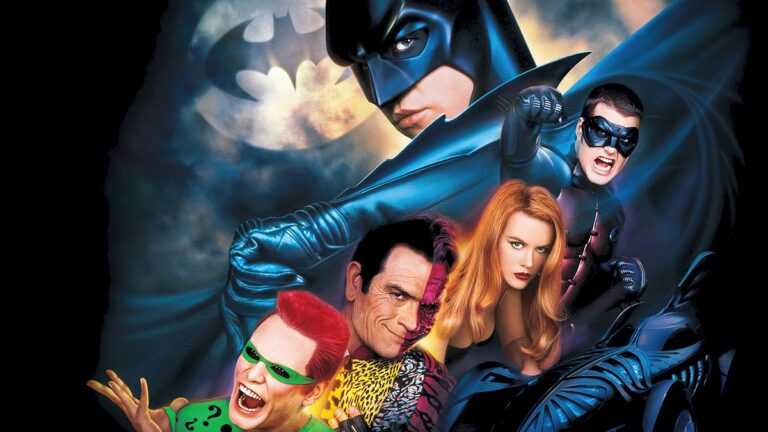
On June 16, 1995, Batman Forever opened with the biggest opening weekend in history. Inside the Schumacher era, the Kilmer cowl, and Seal’s Kiss From a Rose.
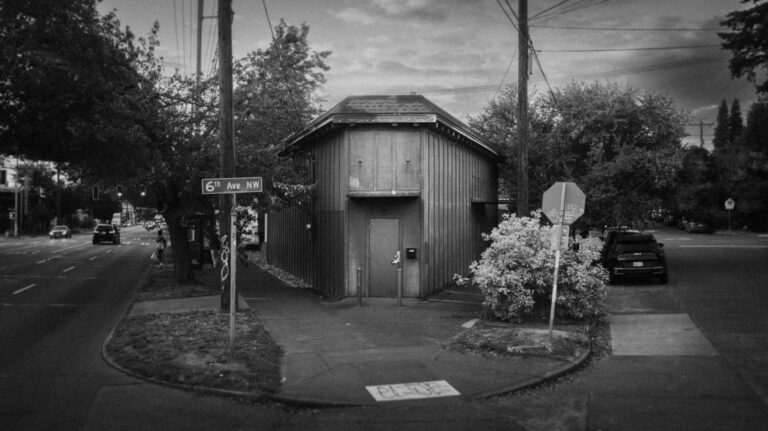
The Seattle grunge scene history did not begin in 1991 with Nirvana’s Nevermind. It began about seven years earlier in a 550-capacity Pioneer Square bar, a black-walled Belltown art club, and a triangular wooden shed in Ballard that recorded bands for under a thousand bucks an album. By the time MTV figured out what was…
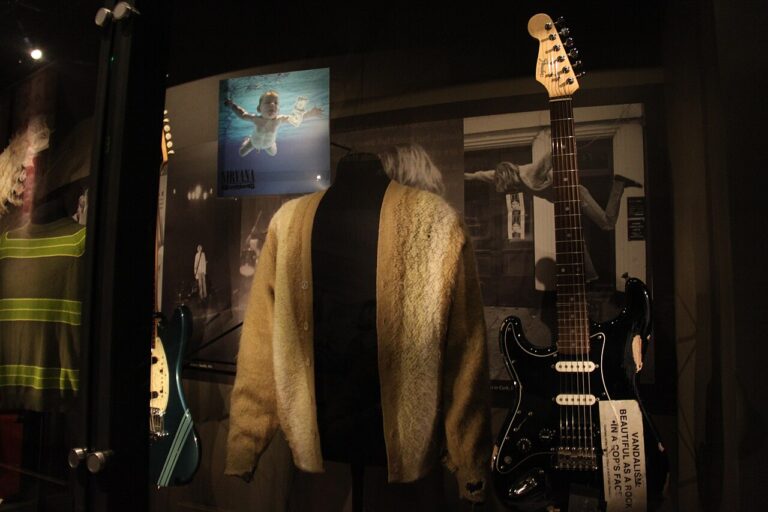
Nevermind, Ten, Dirt, Superunknown — the best grunge albums of all time, ranked and remembered by the Gen X kids who lived inside them.