How Grunge Killed Hair Metal: The 1991 Rock Revolution
How a scrappy Seattle scene in muddy flannel dethroned the most glamorous era in rock history—and why a generation raised on MTV never quite got over it.
From Sub Pop basements to MTV domination, grunge wasn’t just a sound — it was a complete cultural reset built on three cheap ingredients.
Grunge was more than a sound. It was a thrift-store wardrobe, a slacker worldview, and a generational pivot. Here is what it actually was — music, fashion, and culture in one piece.
Nevermind, Ten, Dirt, Superunknown — the best grunge albums of all time, ranked and remembered by the Gen X kids who lived inside them.
Grunge vs punk wasn’t a sound clash — it was a family feud over selling out, fashion, and who really owned rock’s angry soul.
A no-BS field guide to grunge — the bands, the secondhand flannel, and the Gen X mood that rewired the 90s in about three years flat.
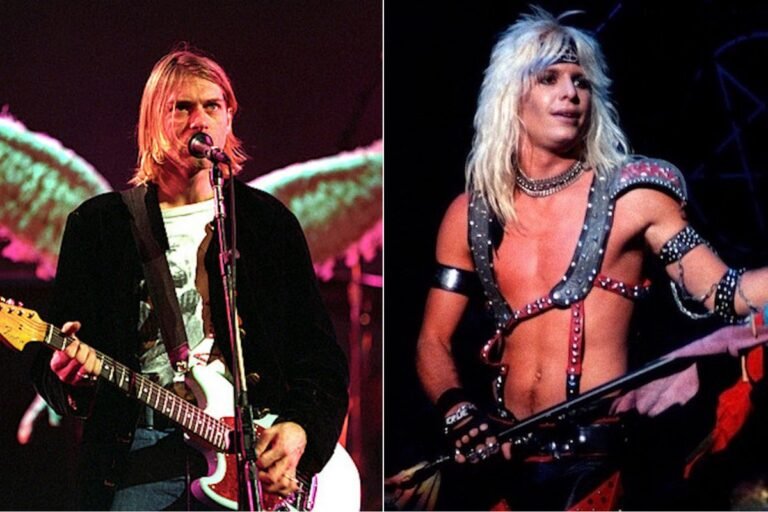
Grunge owned the early 90s — flannel, feedback, and a generation’s bad mood. Then it imploded almost as fast as it landed. Here’s how it lived and why it died.
From Aberdeen basements to MTV’s Buzz Bin, grunge took over the 90s in flannel and feedback. Here’s the complete guide to the records, the rags, and the rebellion that rewrote rock.
A walk through grunge — the sound that buried glam metal, the thrift-store look that became uniform, and the mindset that turned a damp Seattle scene into a global mood.
Inside the rise of grunge — the Pacific Northwest sound, the thrift-store look, and the cultural shockwave that defined the early 90s and still echoes today.
How a damp Seattle scene of thrift-store flannel, distortion pedals, and slacker fury wiped out hair metal and rewrote the soundtrack of the 90s.