
Thou Shalt Not Sample: The Lawsuit That Changed Golden Age Hip-Hop Forever
In 1991, a federal judge quoted the Bible and tried to break hip-hop’s most powerful tool. Here’s how the sampling wars forged the golden age sound.
The MCs got the credit. But before the mic, there was the beat — and the producers who built it changed American music forever.
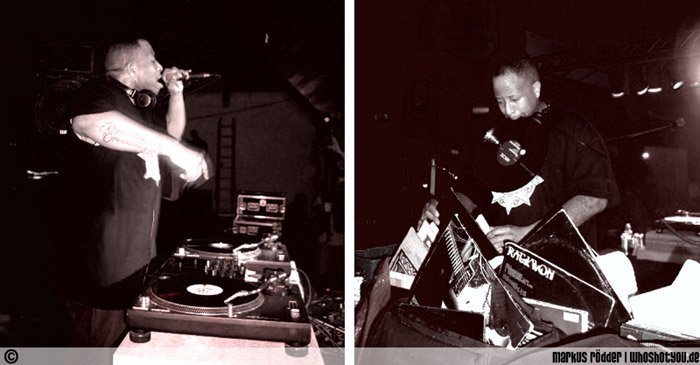
Before the MCs stepped to the mic, the producers had already built the world. DJ Premier, Pete Rock, Q-Tip, RZA, and J Dilla didn’t just make beats — they created the sonic architecture of hip-hop’s greatest decade.
The Golden Age of hip-hop wasn’t just about the rappers. It was built by producers hunched over dusty vinyl and cheap drum machines, chopping soul records into the boom bap sound that still rules headphones today.
While the airwaves filled with hardcore posturing, a loose crew of Long Island and Bronx kids dressed in daisies and dashikis quietly rewired what Golden Age hip-hop could be about.
Before rap got polished, Public Enemy and their production team the Bomb Squad built the densest, angriest, most overwhelming sound of the Golden Age. This is how they weaponized noise.
The Golden Age of hip-hop (1990–1999) wasn’t just great rappers — it was crate diggers, dusty drum machines, and producers who turned old vinyl into new gold.
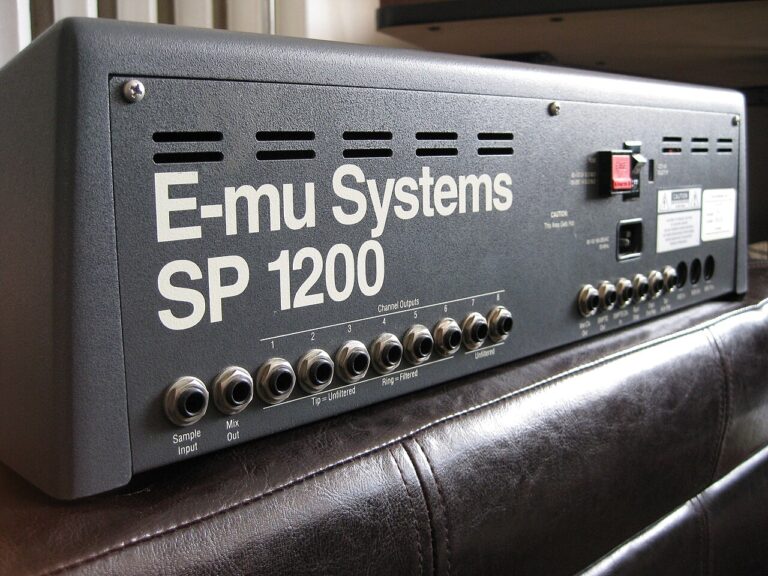
The Golden Age hip-hop era ran on two machines and a crate of dusty records. Here’s how the SP-1200, the MPC, and a handful of obsessive producers built the sound of 90s rap.