South Africa Votes to End Apartheid | On This Day, March 18, 1992
On March 18, 1992, something happened that most people thought was impossible. White South Africans — the very people who had benefited from apartheid for over four decades — walked into polling stations across the country and voted to dismantle the system that had given them everything. By a margin of 68.7% to 31.3%, they said yes to ending white-minority rule. It was one of the most extraordinary moments in the 20th century, and it changed the trajectory of an entire nation.
What the 1992 South African Referendum Was Really About
The question on the ballot was deceptively simple: “Do you support continuation of the reform process which the State President began on 2 February 1990 and which is aimed at a new constitution through negotiation?”
But everyone knew what it really meant. A “yes” vote was a vote to end apartheid. A vote to share power with the Black majority. A vote to fundamentally alter the social, political, and economic structure that had defined South Africa since the National Party came to power in 1948.

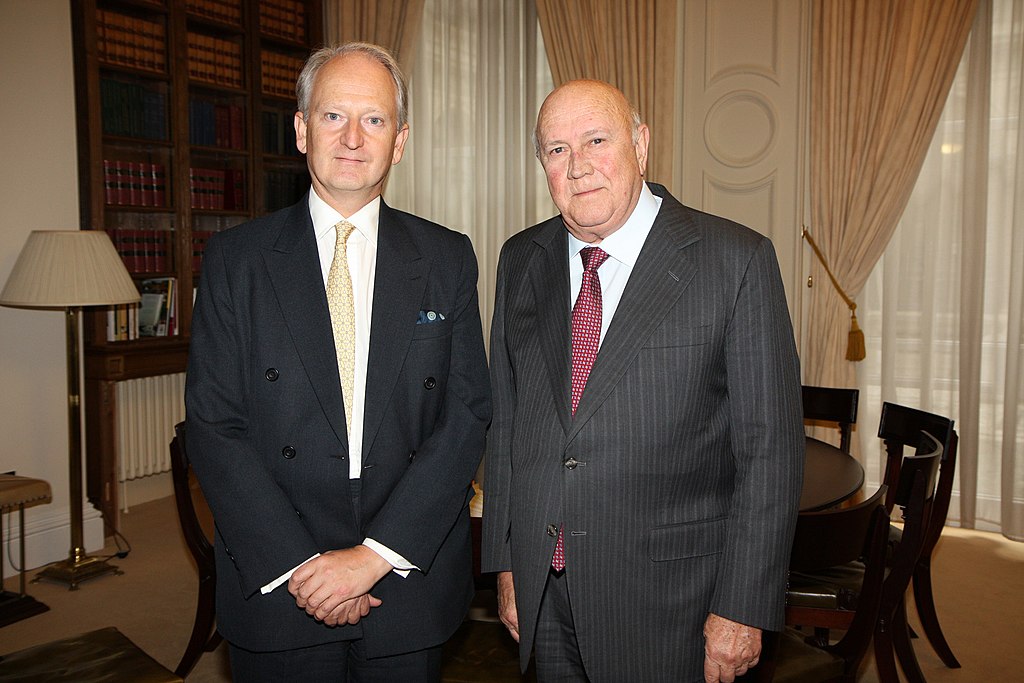
President F.W. de Klerk had called this referendum as a massive political gamble. The Conservative Party, led by Andries Treurnicht, had been winning by-elections and claiming that de Klerk had no mandate from the white electorate to negotiate with the African National Congress. De Klerk’s response was bold — he went directly to the people and asked them to decide.

F.W. de Klerk’s Calculated Risk
De Klerk was not a lifelong liberal. He had been a loyal National Party politician for decades, a man who had supported apartheid through most of his career. But by the late 1980s, the writing was on the wall. International sanctions were crushing the South African economy. The Cold War was ending, which meant the anti-communist justification for apartheid was evaporating. The townships were in perpetual revolt. The country was becoming ungovernable.

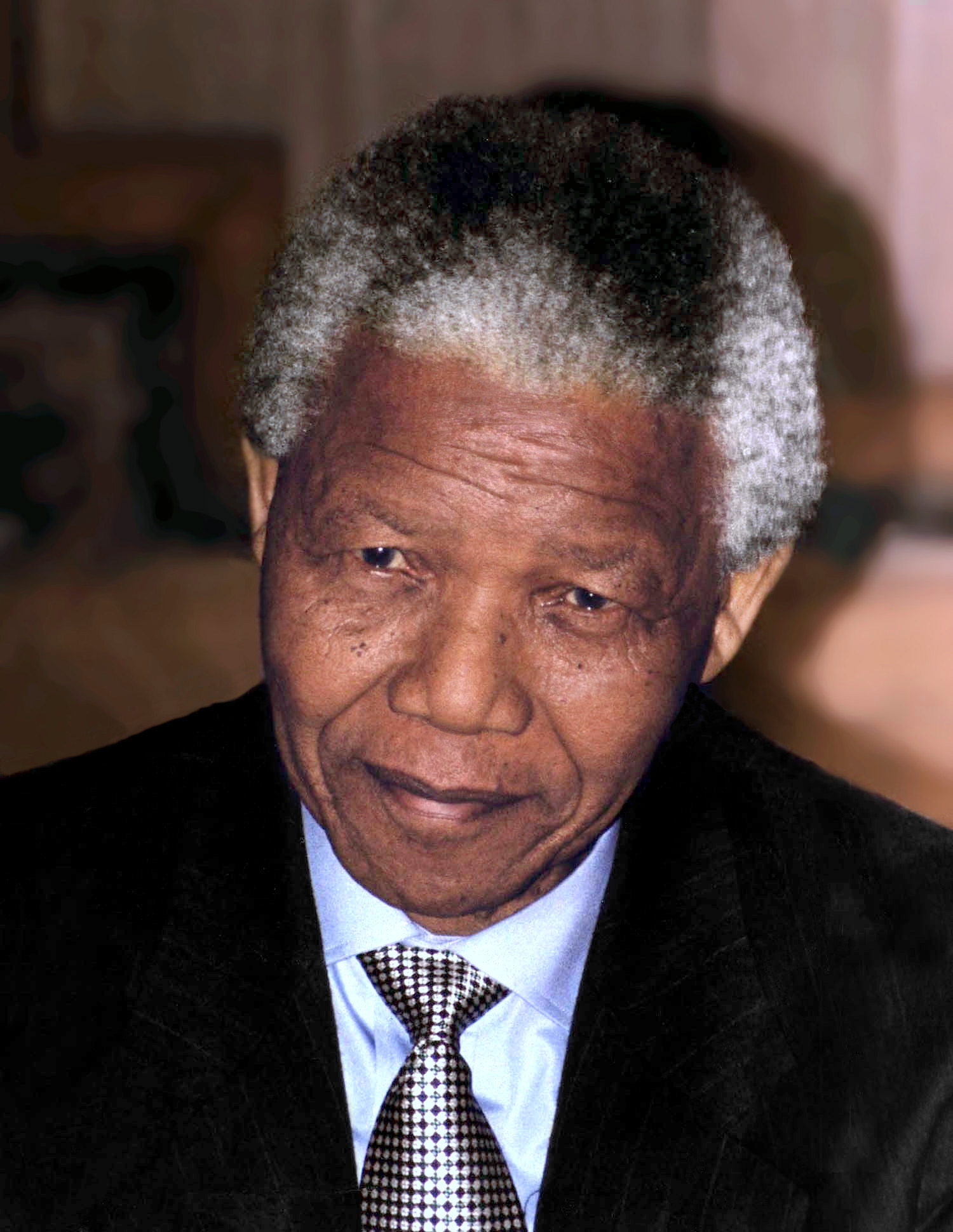
When de Klerk assumed the presidency in September 1989, he moved with a speed that shocked everyone. On February 2, 1990, he stood before Parliament and announced that the ANC, the Pan Africanist Congress, the South African Communist Party, and 31 other organizations would be unbanned. He announced that Nelson Mandela would be released from prison after 27 years behind bars.
Nine days later, on February 11, 1990, Mandela walked out of Victor Verster Prison and into the sunlight. The world watched. People wept. And the slow, grinding, dangerous process of negotiating a new South Africa began.
The Road from Mandela’s Release to the Referendum
The two years between Mandela’s release and the referendum were anything but smooth. Violence between ANC supporters and Inkatha Freedom Party members killed thousands. Right-wing white extremists carried out bombings and assassinations. The negotiations at CODESA (Convention for a Democratic South Africa) stalled repeatedly. Many feared the country would descend into full-scale civil war.

The Conservative Party exploited this fear brilliantly. In a series of by-elections in late 1991 and early 1992, they defeated National Party candidates by running on a platform of white fear and racial preservation. They claimed de Klerk was giving the country away. They warned of Black majority rule as if it were the apocalypse.
De Klerk saw that he was losing ground. Rather than continue to hemorrhage support in piecemeal by-elections, he called a national referendum. It was all or nothing. If white South Africans voted no, he would resign and the reform process would collapse. If they voted yes, he would have an unimpeachable mandate to negotiate the end of apartheid.
The Campaign That Split White South Africa
For three weeks, South Africa experienced something it had never seen before — a genuine democratic debate among white voters about the future of their country. The “yes” campaign emphasized economic reality. Sanctions were destroying businesses. South Africa was a pariah state, banned from international sport, cut off from investment, and falling behind the rest of the world.

The “no” campaign played on primal fears. They warned of farm seizures, economic collapse under Black rule, and the destruction of Afrikaner culture. They pointed to Zimbabwe and Mozambique as cautionary tales. The Afrikaner Weerstandsbeweging (AWB), led by the bombastic Eugene Terre’Blanche, staged armed rallies and threatened civil war if the vote went against them.
Churches, businesses, universities, and media outlets overwhelmingly backed the “yes” side. Even many who had been loyal apartheid supporters recognized that the system was unsustainable. The question was no longer whether apartheid would end, but how — through negotiation or through bloodshed.
March 18, 1992 — The Day White South Africa Said Yes
Voter turnout was extraordinary — 85.6% of registered white voters cast their ballots. When the results came in, the margin was decisive: 68.7% voted yes. Every single region except Pietersburg in the Northern Transvaal voted in favor of reform. It was a landslide that silenced the Conservative Party and gave de Klerk exactly the mandate he needed.

De Klerk called it “a turning point in the history of South Africa.” Mandela praised the courage of white voters, saying they had chosen to be part of the solution rather than part of the problem. International leaders expressed relief and cautious optimism.
The referendum didn’t end apartheid overnight. Two more years of grueling negotiations, punctuated by assassinations (most notably Chris Hani’s murder in April 1993), continued political violence, and moments where the entire process nearly collapsed, lay ahead. But the referendum established something crucial — the white electorate had consented to democracy. There was no going back.
What Apartheid Actually Was
For anyone who didn’t live through it or study it closely, apartheid was a system of racial classification and segregation that went far beyond anything the American South ever implemented. Every person in South Africa was classified by race at birth — White, Black, Coloured, or Indian. Where you could live, who you could marry, what jobs you could hold, which beaches you could visit, which benches you could sit on, which schools you could attend, which hospitals would treat you — all determined by the color of your skin.

Black South Africans were required to carry passbooks at all times — internal passports that controlled their movement within their own country. The Group Areas Act forcibly relocated millions of people. The Bantu Education Act deliberately designed an inferior education system for Black children. The security apparatus imprisoned, tortured, and murdered opponents with impunity.
Robben Island, where Mandela spent 18 of his 27 years in prison, became the most powerful symbol of apartheid’s cruelty. Prisoners broke rocks in the limestone quarry, the glare permanently damaging Mandela’s eyes. They slept on thin mats on stone floors. They were allowed one visitor and one letter every six months.

How the World Responded — And How I Learned About It
I was probably 10 or 11 years old. My dad was taking me to the barbershop in Toronto, and we saw a parade — not just Black people, white people, all kinds of people together, jumping, whistles blowing. I asked my dad what they were doing. He said they were trying to stop apartheid and asked if I wanted to join. I had no idea what apartheid really was. I said no, let’s go get our haircut.
Later in high school, I read Kaffir Boy by Mark Mathabane, and it all started making sense. That book hit different when you’re a teenager trying to understand the world. Mathabane’s descriptions of growing up in Alexandra township — the poverty, the police raids at 3 AM, the constant humiliation of the passbook system — made apartheid real in a way that news broadcasts never could.

Years later in Taiwan, I spoke to two South Africans separately — one white, one colored. Both said it was the first time they had ever discussed apartheid in their lives. Both thought it was unusual that I even knew about it or asked. That stuck with me. Here was the defining event of their country’s modern history, and they had never talked about it openly with anyone. The weight of that silence said more about apartheid’s legacy than any textbook ever could.
The Aftermath — From Referendum to Rainbow Nation
The 1992 referendum set the stage for the historic events that followed. In 1993, de Klerk and Mandela jointly received the Nobel Peace Prize. On April 27, 1994, South Africa held its first fully democratic election. Millions of Black South Africans voted for the first time in their lives, many standing in lines that stretched for miles. The ANC won in a landslide, and Nelson Mandela became the first Black president of South Africa.

Mandela’s presidency was defined by reconciliation rather than revenge. The Truth and Reconciliation Commission, chaired by Archbishop Desmond Tutu, allowed perpetrators of apartheid-era violence to confess their crimes in exchange for amnesty. It was an imperfect process, but it prevented the bloodbath that so many had predicted.
The famous image of Mandela wearing a Springbok jersey at the 1995 Rugby World Cup final — cheering for the team that had been a symbol of white Afrikaner identity — captured the spirit of what South Africa was trying to become. It was a gesture of extraordinary generosity from a man who had spent nearly three decades in prison.
Why March 18, 1992 Still Matters
The referendum matters because it demonstrated something rare in human history — a privileged majority voluntarily choosing to share power. White South Africans didn’t have to vote yes. They could have clung to their privileges, retreated behind the security apparatus, and tried to ride out the storm. Many countries in similar situations have done exactly that.
Instead, nearly seven out of ten white voters chose a future they couldn’t fully see or control. They chose uncertainty over the familiar comfort of supremacy. Whatever motivated them — economic pragmatism, moral awakening, exhaustion, fear of international isolation, or genuine belief in justice — the result was the same. They opened the door to democracy.
South Africa’s story since 1994 has been complicated. Poverty, inequality, corruption, and racial tension persist. The “rainbow nation” ideal has faced serious challenges. But the alternative — the civil war, the bloodbath, the complete collapse that seemed inevitable throughout the 1980s — never happened. And that journey toward peaceful transition began, in a very real sense, on March 18, 1992, when white South Africa went to the polls and chose to let go.

The anti-apartheid movement was one of the great moral causes of the late 20th century. From the streets of Soweto to the early internet communities of the 1990s that spread awareness globally, from concert stages where artists performed at massive benefit concerts to barbershop streets in Toronto where a kid didn’t understand what all the fuss was about — it touched lives everywhere. The 1992 referendum was the moment when the movement’s decades of pressure finally paid off.
Watch this documentary on the historic 1992 South African referendum that ended apartheid:
The story of apartheid’s end reminds us that systems of oppression, no matter how entrenched they seem, can be dismantled. It doesn’t happen overnight. It takes decades of resistance, sacrifice, and courage from ordinary people. But on this day in history, in a country that had been written off as hopeless, enough people chose to do the right thing. And the world changed.