Lisa Frank 90s: The Rainbow Empire That Defined School Supplies
Lisa Frank 90s school supplies turned a 24-year-old’s sticker company into a brand that, by one 2005 court filing, had racked up more than $1 billion in total sales since 1979. Rainbow unicorns, neon leopards, and dolphins surfing double rainbows covered every Trapper Keeper, pencil case, and sticker sheet a certain kind of kid could get their hands on. Then, almost as fast as it exploded, it collapsed — from roughly 500 employees in a 320,000-square-foot Tucson factory down to six. Here’s the real story behind the brand, the reclusive woman who built it, and how it clawed its way back onto TikTok.
From a Detroit Teenager to a Sticker Fortune
Lisa Frank grew up in Detroit and was already selling her own art before she could legally buy a lottery ticket — as a high school senior, she sold roughly $3,000 worth of work at a single art show. She went on to study math and art at the University of Arizona, and at 20 she launched a plastic jewelry line called Sticky Fingers that landed in Neiman Marcus and Bloomingdale’s. In 1979, at 24, she renamed the operation Lisa Frank Inc. and pivoted to stickers. The first year out, she sold a $1 million sticker order to Spencer’s Gifts — proof the neon, airbrushed style she’d developed wasn’t a side hustle anymore. By the time she was in her early 30s, she’d gone from a teenager with a folding table at an art fair to the owner of a company most of her customers assumed was run by committee, not a single artist with a very specific vision for how bright a rainbow was allowed to get.
The 320,000-Square-Foot Factory on Lisa Frank 90s Avenue
By the mid-1990s, Lisa Frank Inc. was pulling in more than $60 million a year, and the company built a 320,000-square-foot headquarters in Tucson, Arizona, to match — big enough that the city renamed the street out front S. Lisa Frank Avenue in 1997. At its peak the factory employed around 500 people and housed a fireproof vault nicknamed “The Library,” holding a copy of every product the company had ever made along with the original pre-computer artwork — hand-drawn with markers, acrylics, and airbrush, using a proprietary ink formula Frank developed to make the colors glow brighter than anything else on a shelf. Every licensee who touched the brand had to sign a confidentiality agreement just to protect that ink recipe, which the company has never published even decades later.
The Retro Almanac
A monthly roundup of "on this day" highlights from that month, decades back — plus first dibs on new retro merch drops. No spam, just the good stuff.
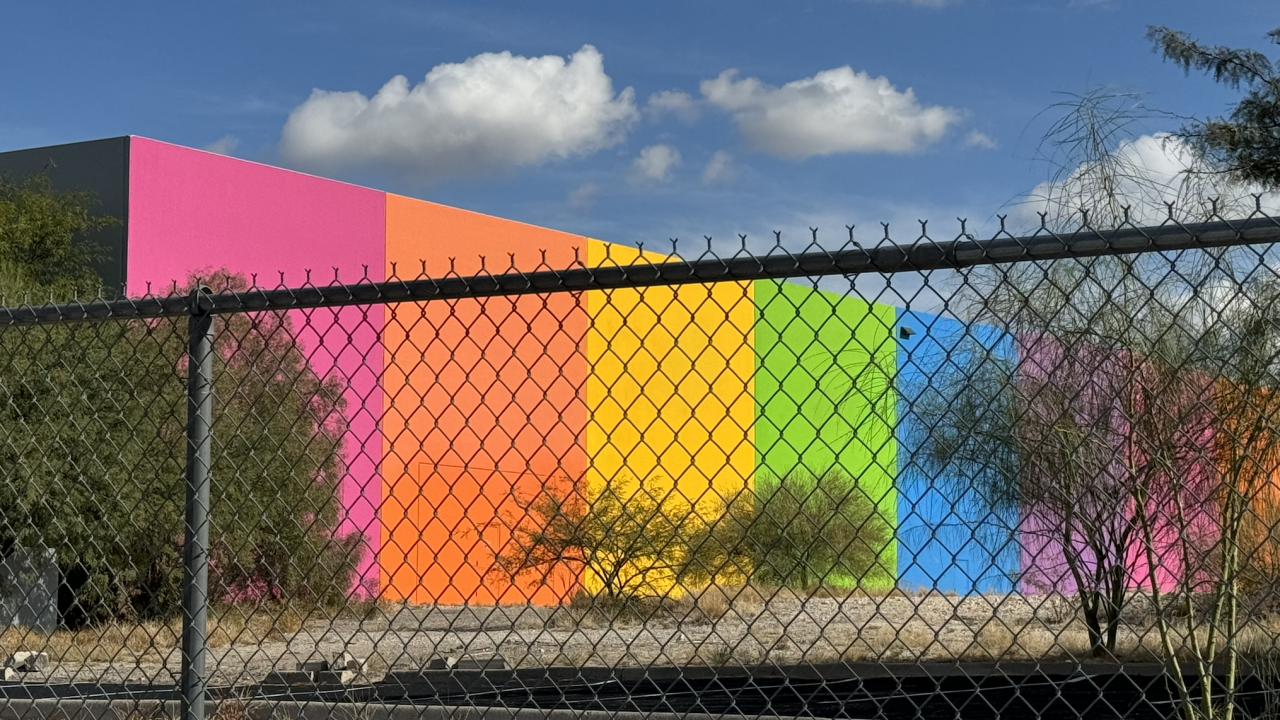
The factory on S. Lisa Frank Avenue in Tucson — freshly repainted in its original rainbow colors.
The 2024 documentary that revisited this history includes rare behind-the-scenes footage of the hand-drawn process itself — paintbrushes, markers, and a loupe instead of a mouse, years after most commercial art had already gone digital.
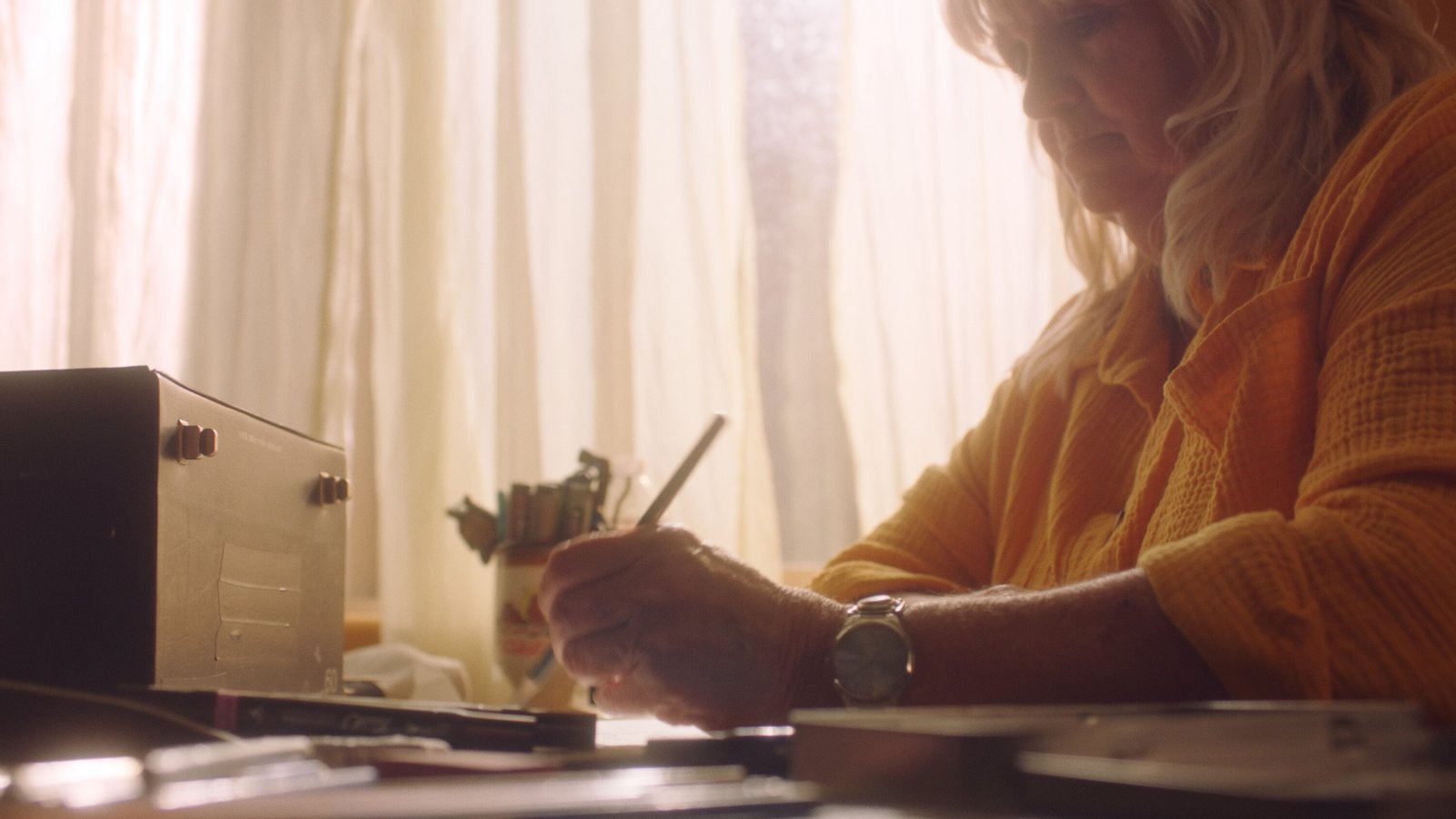
A scene from Glitter and Greed: The Lisa Frank Story showing the hand-drawn illustration process that still defines the brand’s art.
Markie, Hunter, and the Characters Everyone Assumes Were Just Made Up
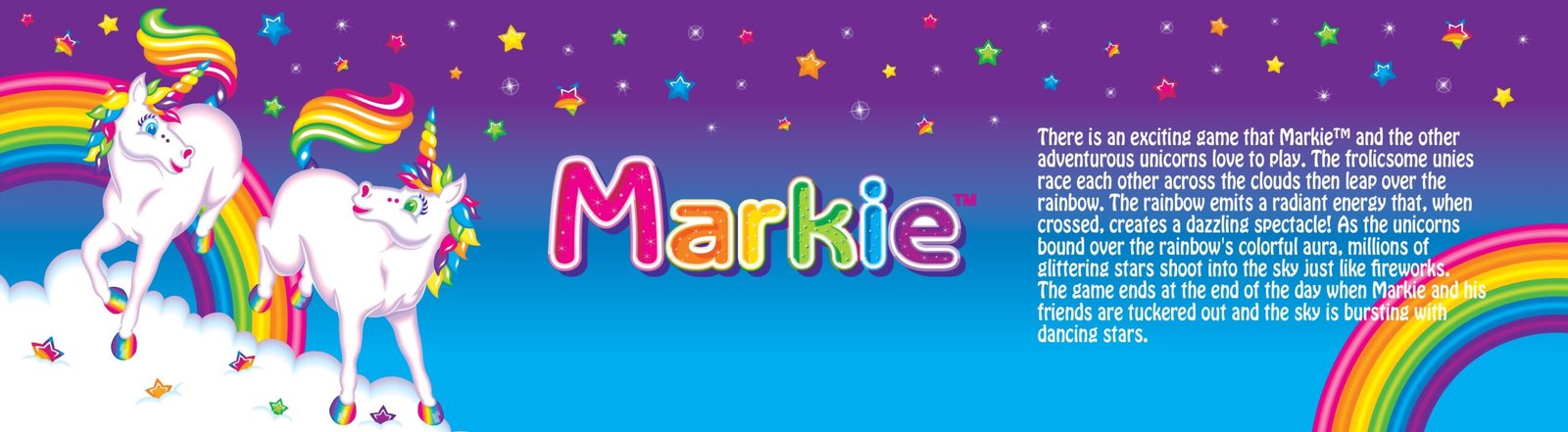
The menagerie wasn’t random. Most of the characters were named after real people in Frank’s life. Hunter, the rainbow leopard cub, and his tiger-cub sidekick Forrest were named after her two sons — Forrest Green now runs the brand’s social media and holds the title Head of Brand and Chairman. Markie, the rainbow-maned unicorn who lives on “Airfluff Island” above the Fantastic World of Lisa Frank, was named after a friend of Frank’s who died young of a heart attack. Panda Painter, one of the original 1987 characters that launched the school-supply line, was a panda in overalls holding a can of rainbow paint — a fitting mascot for a company that was, in effect, selling kids a can of rainbow paint for their entire backpack. Frank has said the character she most resembles is Purrscilla the cat, even though she’s always preferred dogs.
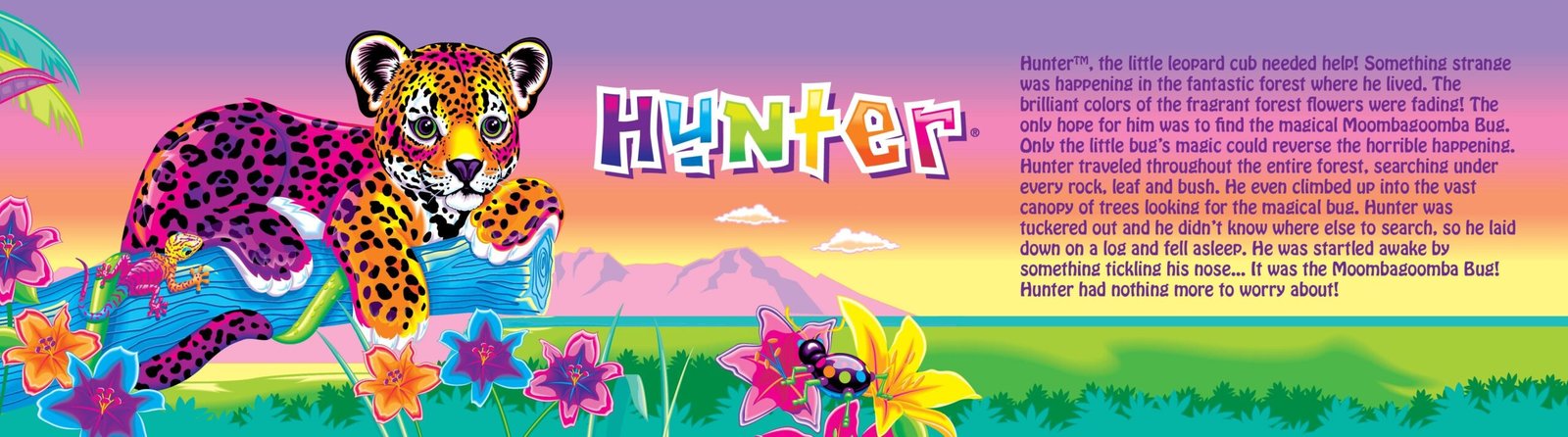
Hunter the rainbow leopard — named after Lisa Frank’s son, one of the brand’s most recognizable characters.
How a Sticker Company Took Over Every Locker in America
1987 is the hinge year. That’s when Lisa Frank Inc. moved beyond stickers into full school-supply lines — folders, pencil cases, erasers, notebooks — stamped with the same airbrushed unicorns and dolphins. The company’s slogan, which debuted in the late ’80s, was blunt about what it was selling: “You Gotta Have It.” It wasn’t really about the folder. Picking a Lisa Frank design to carry around was a way of broadcasting who you were before you said a word, the same way a Trapper Keeper cover did — except Lisa Frank owned the art inside the binder, not just the binder itself. The brand later leaned into pop culture crossovers, too: a young Mila Kunis appeared in a 1990s Lisa Frank commercial and on the cover of the company’s fan magazine, “Lisa and Me,” in 1997, before she was a household name.
A 13-year-old Mila Kunis, four years before “That ’70s Show,” gushing over Lisa Frank stickers in the brand’s 1993 commercial.
The Most Famous Face Nobody’s Actually Seen
For a brand built on being loud, Lisa Frank herself has spent decades being almost invisible. She rarely gives interviews, and when Urban Outfitters got her on camera in 2012, she agreed only on the condition that her face stay out of frame. She hasn’t sat for a public interview in years, and in 2015 her company sued a Canadian toy maker, Orb Factory, over designs it claimed were copied by a former Lisa Frank art director — the case settled confidentially mid-trial in 2018. Her privacy mattered more than usual in 2024, when the four-part Amazon Prime documentary “Glitter and Greed: The Lisa Frank Story” went looking for her — and she declined to appear at all. Her ex-husband and former business partner, James Green, spoke on camera instead, along with more than twenty former employees, journalists, and brand insiders.
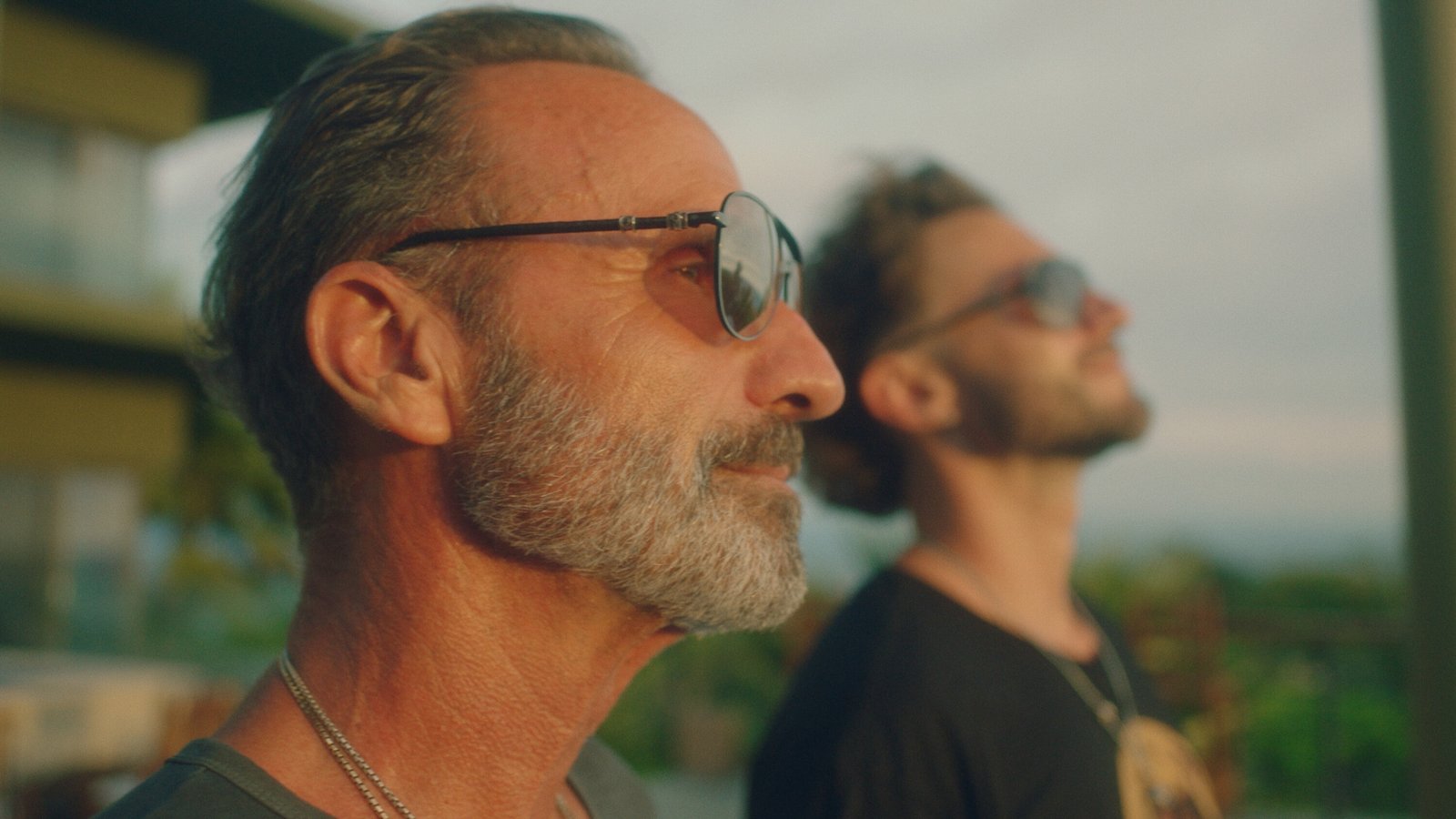
James Green, Lisa Frank’s ex-husband, former business partner, and the documentary’s most prominent on-camera voice in her absence.
Twenty-Plus Insiders, One Reclusive Subject
Frank’s absence from the documentary didn’t leave it short on firsthand accounts. More than twenty former employees, journalists, and brand insiders filled the gap, including Rondi Kutz, the company’s former Senior Designer and Product Development Lead, who worked inside the Tucson studio during the brand’s peak years and describes just how exacting Frank’s standards were — down to how saturated a single shade of magenta needed to be before a design left the building. Industry voices from outside the company show up too: Glamour Dolls co-founder Peter Georgotas appears to put Lisa Frank Inc.’s run in context against the rest of the ’80s and ’90s toy and novelty business, the same landscape that produced the Trapper Keeper boom the brand eventually rode into American lockers. Taken together, their accounts are what let a four-part series exist about a company whose founder refused to sit for it.
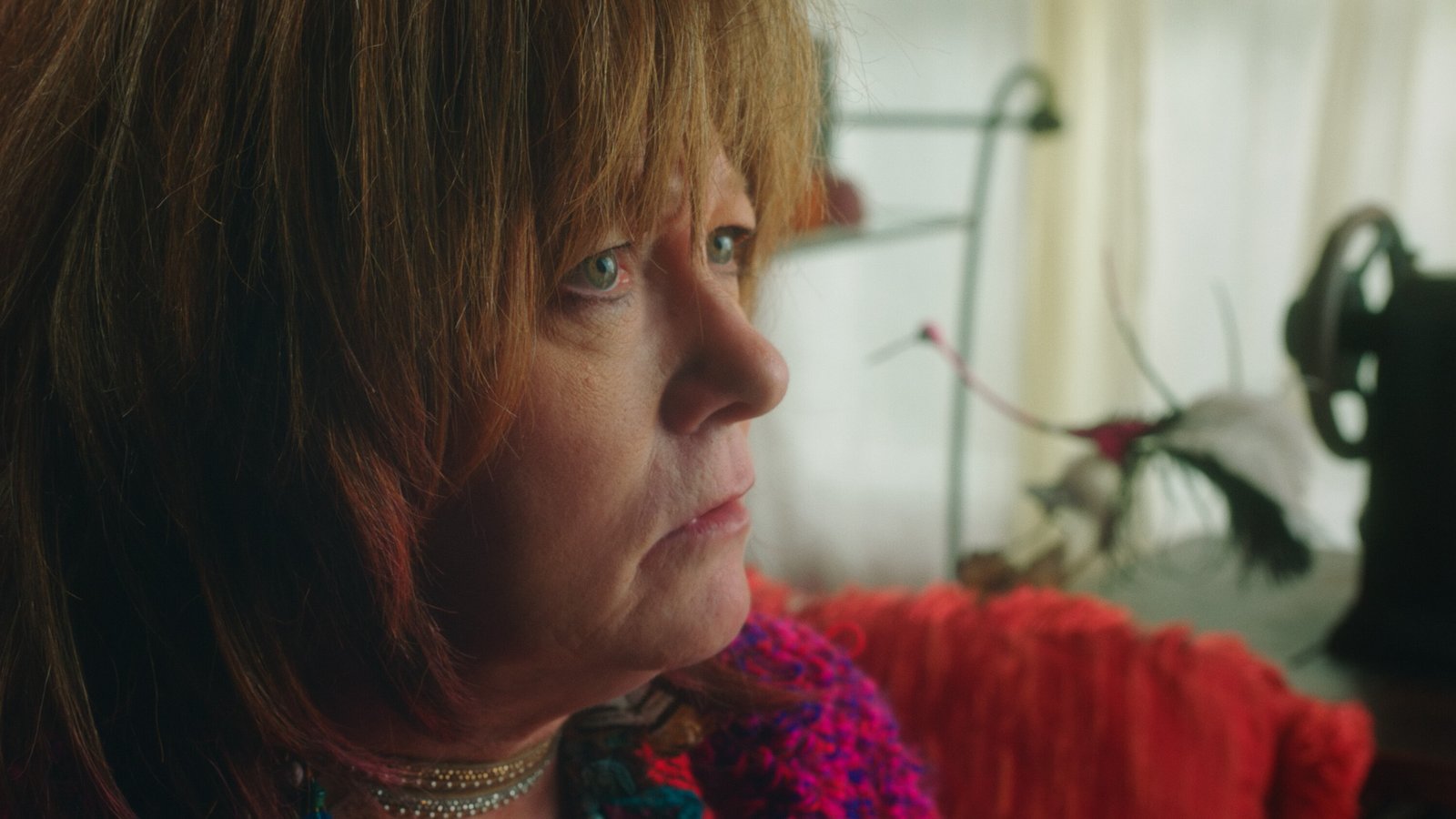
Rondi Kutz, Lisa Frank Inc.’s former Senior Designer and Product Development Lead, one of more than twenty insiders interviewed for the documentary.
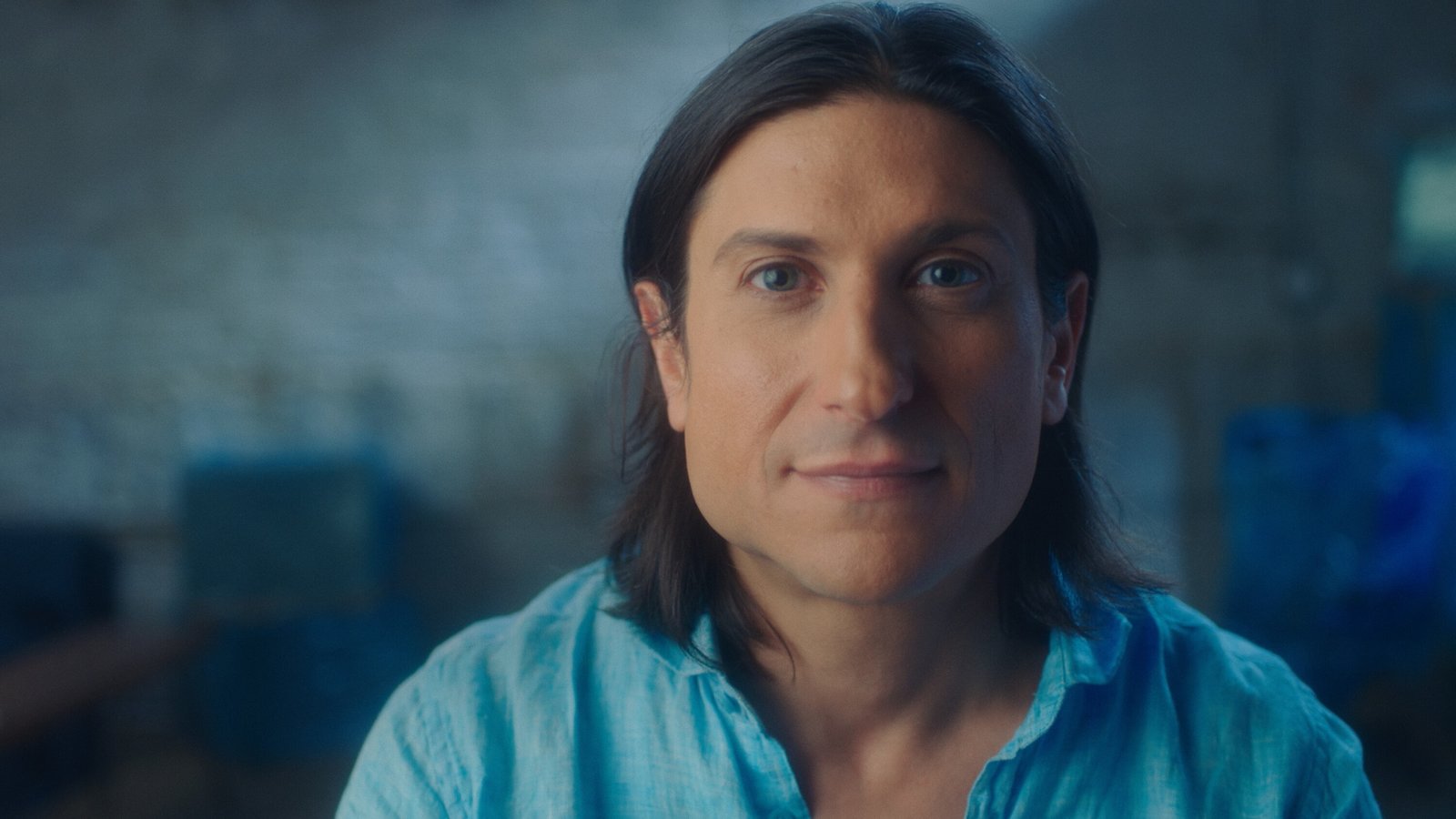
Glamour Dolls co-founder Peter Georgotas, one of the outside industry voices the documentary brings in for context.
From 500 Employees to 6
The documentary’s second half covers what ended the empire: Frank and Green’s marriage fell apart, and so did their business partnership, in a divorce and corporate ownership fight that stretched for years through Pima County courts. Frank eventually regained control of her own company around 2005, but the damage was done — retail stores closed, the brand shifted to licensing and digital products, and staffing cratered. A manufacturing partner, CSS Industries, promised to put Lisa Frank products back into major retailers and projected more than $15 million in first-year sales; former employees and court filings describe the arrangement falling well short of that. By 2015, the Tucson factory that once employed around 500 people was down to six, and annual revenue had fallen from a 1990s peak above $60 million to roughly $2.3 million.
The TikTok Resurgence
The comeback started quietly. The brand’s Instagram relaunched in 2018 with a post of Frank waving alongside country singer Kacey Musgraves while both wore mascot heads of her characters, and Forrest Green took over running the account full-time around 2019, explicitly aiming the nostalgia at an audience that hadn’t been born when the Tucson factory was running at full tilt. The strategy worked: Lisa Frank landed a Morphe eyeshadow palette in 2020, a Pillsbury sugar cookie collab in 2021, a Crocs partnership the same year, and Gen Z-facing stunts like an Instagram filter modeled by Addison Rae and a “Frankified” magazine cover with BTS. In November 2023, fans spotted something stranger — contractors repainting the long-dormant Tucson factory in its original rainbow colors, followed by a brand TikTok post that just said “We’re baaack.” The 2024 documentary turned that revival into a reckoning, airing the workplace stories alongside the nostalgia. Thirty-plus years after Panda Painter first showed up on a folder, the brand that invented a generation’s idea of “too much color” is still arguing with its own history in public — and the Tucson building with its name on the street sign is still standing, freshly painted, waiting to see what comes next.
The Retro Almanac
A monthly roundup of "on this day" highlights from that month, decades back — plus first dibs on new retro merch drops. No spam, just the good stuff.